Humanoid Robotics in Manufacturing: Xiaomi's Vision for Intelligent Production
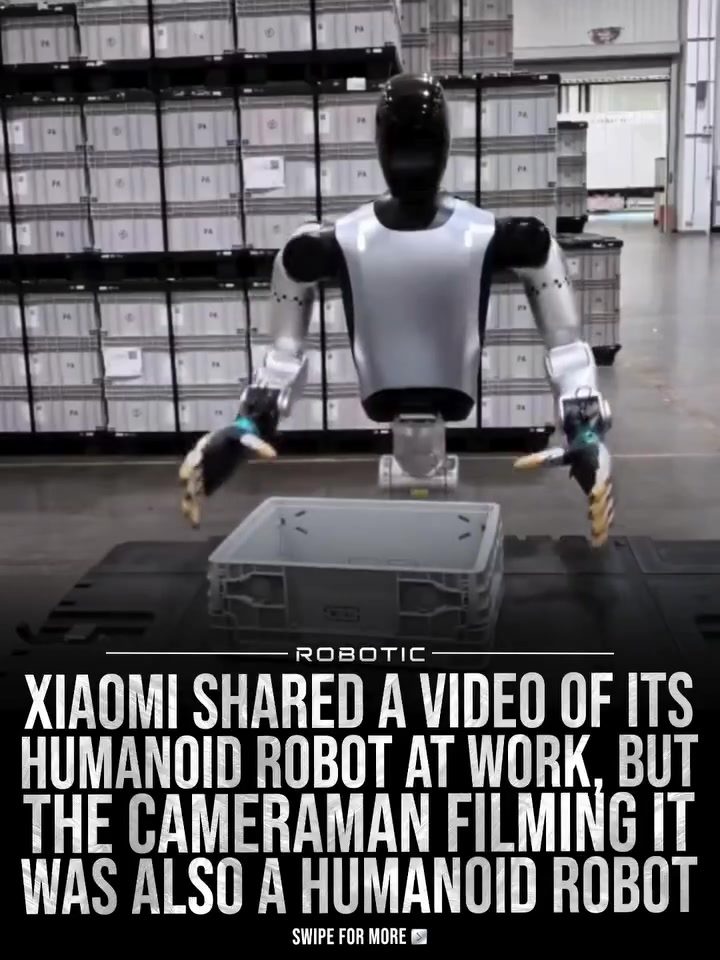
Xiaomi's latest demonstration of its humanoid robot in a smart manufacturing facility showcases how robotics is advancing beyond simple automation toward intelligent, collaborative systems. The robot, performing industrial operations with precision, illustrates how future manufacturing might operate.
Context: The Evolution of Manufacturing
Manufacturing has always been about efficiency and productivity. Over the years, automation has played a significant role in achieving these goals. However, the introduction of intelligent robots like Xiaomi's humanoid robot marks a new era in manufacturing. These robots are not just tools for increased productivity; they are designed to work alongside modern manufacturing systems, enhancing capabilities and efficiency.
The Xiaomi Humanoid Robot: Capabilities and Integration
Autonomy and Precision
One of the standout features of Xiaomi's humanoid robot is its ability to move autonomously within a warehouse or smart manufacturing facility. This autonomy allows it to navigate complex environments and handle materials with precision. The robot can perform real production tasks, from picking and placing items to more intricate operations that require dexterity and accuracy. This level of precision is crucial in manufacturing, where even small errors can lead to significant losses.
Collaboration with Modern Systems
The robot's ability to work alongside modern manufacturing systems is a key aspect of its design. It can integrate with existing infrastructure, enhancing rather than replacing human workers. This collaborative approach is essential for industries looking to transition into more automated systems without completely overhauling their current setups. The robot's versatility allows it to adapt to various tasks, making it a valuable asset in diverse manufacturing environments.
The Future of Smart Factories
Smart factories are increasingly becoming a reality, thanks to advancements in AI and robotics. These factories are more connected, automated, and efficient, offering a glimpse into how future industrial production may operate. Xiaomi's showcase is a testament to this trend, highlighting how robotics can transform traditional factories into intelligent, automated hubs.
The Unique Filming Process
A unique aspect of Xiaomi's demonstration is the reveal that the entire process was filmed by another Xiaomi humanoid robot. This highlights the company's broader vision of integrating robotics into both production and intelligent infrastructure. By using a robot to film the demonstration, Xiaomi showcases the potential for automated and efficient documentation processes. This could have significant implications for industries where accurate and reliable data collection is crucial.
Practical Tips for Implementing Humanoid Robots
Assess Your Needs
Before integrating humanoid robots into your manufacturing processes, it's essential to assess your specific needs. Identify the areas where automation can provide the most significant benefits. This could be in tasks that require precision, repetitive actions, or work in hazardous environments.
Invest in Training
While humanoid robots are designed to be user-friendly, investing in training for your staff is crucial. Ensure that your team is well-versed in operating and maintaining these robots. This will not only enhance productivity but also ensure the longevity of your investment.
Integrate with Existing Systems
One of the key advantages of Xiaomi's humanoid robot is its ability to integrate with existing manufacturing systems. Leverage this capability to enhance your current operations rather than replacing everything. This approach will help in a smoother transition and better utilization of resources.
Important Takeaways
- Autonomy and Precision: Humanoid robots like Xiaomi's can move autonomously and handle materials with precision, making them ideal for complex manufacturing tasks.
- Collaboration: These robots are designed to work alongside modern manufacturing systems, enhancing capabilities without replacing human workers.
- Smart Factories: The integration of AI and robotics is transforming traditional factories into intelligent, automated hubs, offering increased efficiency and productivity.
- Automated Documentation: The use of robots for filming and documentation showcases the potential for automated and efficient data collection processes in industries.
Conclusion
The future of manufacturing is bright, with intelligent, collaborative robots leading the way. Xiaomi's humanoid robot demonstrates how automation is evolving into intelligent systems capable of working alongside human operators. As AI and robotics continue to advance, we can expect to see more innovative applications in manufacturing, paving the way for a smarter, more efficient production landscape.
Watch the Reel
Questions readers ask
What makes Xiaomi's humanoid robot different from traditional industrial robots?
Xiaomi's humanoid robot stands out due to its ability to perform precise industrial operations and adapt to various tasks. Unlike traditional robots, it moves beyond simple automation to become a versatile, intelligent asset in modern manufacturing environments. It showcases the future of intelligent, collaborative systems in industrial settings.
How does the Xiaomi humanoid robot enhance factory automation?
The Xiaomi humanoid robot enhances factory automation by demonstrating how robotics can transition from basic repetitive tasks to more complex, adaptive operations. It can handle diverse tasks with precision, which makes it a flexible solution for increasing efficiency and productivity in manufacturing processes.
What kind of tasks can the Xiaomi humanoid robot perform in a manufacturing setting?
The Xiaomi humanoid robot is capable of performing a wide range of industrial tasks with precision. These tasks include but are not limited to, precise assembly, material handling, quality control inspections, and other automated industrial tasks. Its versatility makes it a valuable asset in various manufacturing scenarios.
How does Xiaomi's robotics vision align with the future of manufacturing?
Xiaomi's vision for robotics in manufacturing focuses on creating intelligent, collaborative systems. This means that future factories will see robots like Xiaomi's humanoid robot working alongside human workers, enhancing overall productivity and efficiency. This shift towards collaborative robotics aims to create a more dynamic and adaptable manufacturing environment.
What are the benefits of using intelligent robots like Xiaomi's humanoid robot in a factory setting?
The benefits of using intelligent robots like Xiaomi's humanoid robot include increased precision in tasks, adaptability to various operations, and the potential for enhanced collaboration with human workers. These robots are designed to optimize manufacturing processes, leading to higher productivity and efficiency in the factory.
How does Xiaomi's humanoid robot demonstrate the next step in industrial robotics automation?
Xiaomi's humanoid robot demonstrates the next step in industrial robotics automation by showcasing advanced capabilities that go beyond traditional automation. It can handle complex tasks with precision and adapt to different manufacturing needs, making it a key player in the evolution of factory robotics towards more intelligent, collaborative systems.
Related deep dives
Similar reads based on topic and creator.



Recent articles
Fresh deep dives from the latest Reels we unpacked.




Comments
Be the first to comment.