
The Electric Revolution in Yimin’s Coal Mines
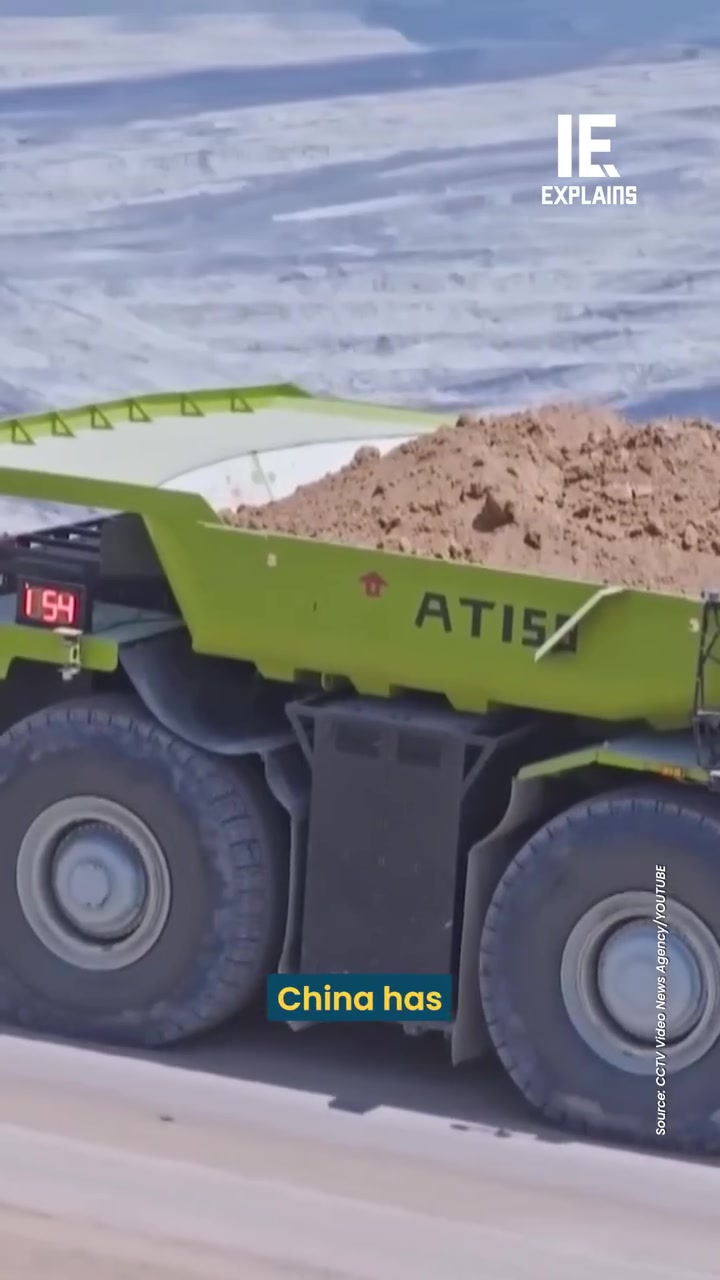
In Inner Mongolia, the Yimin open pit coal mine has pioneered a fleet of driverless trucks that require no cab, windows, or even seats. Propelled by battery packs and electric motors, these trucks operate in harsh conditions, enduring temperatures as low as minus 40 degrees Celsius. This isn't a fringe experiment; it's the largest single fleet of its kind on the planet, delivering 120% of the output of human-driven diesel equivalents.
The Rise of Autonomous Haulage
Autonomous haulage is transforming the mining industry, driven by both technological advancements and regulatory pressures. In May 2025, the Yimin coal mine in Inner Mongolia became a global leader in this field, operating the largest fleet of autonomous trucks. These trucks, which lack cabs and windows, are designed to work in temperatures dropping to nearly minus 40 degrees Celsius. They are powered by swappable 568kWh lithium-ion phosphate battery packs, which drive a motor built to withstand extreme cold. The mine's automated charging station swaps dead battery packs with fresh ones in about five minutes, achieving a success rate above 98%.
The Yimin Model
The Yimin mine's approach is unique. Instead of keeping intelligence on board the trucks, as is common in Western mines, Yimin uses a 5G advanced network, 500 megabits of uplink, and 20 milliseconds latency. This allows the trucks to stream HD video to a cloud, which then dispatches them. A control room supervises the entire fleet over the Huawei network. Huawei's cloud builds a crowd-sourced map from the fleet itself, with every truck updating the shared pictures of the pit in real time. This model optimizes routes and reduces queuing at the shovel. The success rate is impressive: nearly 47,800 battery swaps were reported by late 2025, with a success rate above 98%.
West vs. East
The approach to autonomous haulage varies significantly between Western and Chinese mines. In Australia, companies like Rio Tinto and BHP have been leaders in autonomous mining since 2008, but they focus on a smaller number of very large machines. Western models keep most of the intelligence on board the trucks, relying on satellite positioning and individual vehicle decision-making. In contrast, China is automating a large number of medium-sized machines and integrating the entire pit into a single network. This approach pushes perception and dispatch out to the network, creating a more centralized control system. The key difference lies in the cost per ton moved; whichever model ends up being cheaper could set the global standard.
The Global Landscape
The global autonomous haulage fleet grew by 84% between 2024 and 2025, climbing from roughly 2,000 trucks to nearly 3,800. China accounted for most of this boom, expanding its fleet and surpassing Australia, Canada, and Chile. China's rapid scaling is attributed to government policy and safety concerns. The National Development and Reform Commission ordered an immediate push towards intelligent mining in 2020, setting a goal for automated baseline operations by 2035. After years of fatal accidents, regulators recognized that removing human operators was the fastest way to prevent injuries.
Real-World Benefits
The benefits of autonomous haulage go beyond just safety. Yimin's driverless fleet does not stop for shift changes, breaks, or fatigue rules. This efficiency allows the site to run with far fewer trucks and drivers—300 trucks and 1,200 drivers were once needed to operate around the clock. Furthermore, going electric at Yimin should cut diesel usage by about 15,000 tonnes and CO2 emissions by 48,000 tonnes annually. In Australian mines, autonomy has cut tire costs by 15 to 20% and extended equipment life by 20 to 30% by removing harsh braking.
Practical Considerations
For those interested in implementing autonomous haulage, several factors must be considered. First, the initial investment is significant. An automated-capable haulage truck costs between $1.5 to $2.5 million before networks and a control room. However, the payback period varies: it takes three to six years in high-wage countries and seven to twelve years in low-wage ones. Labor costs are a key factor; in Australia, a haul truck driver earns between $100,000 to $120,000 per year, while in China, the same driver earns between $16,000 to $25,000. Additionally, fuel costs, which typically account for 20 to 30% of a mine's operating costs, can be significantly reduced by transitioning to electric vehicles.
The Future
Autonomous haulage is not limited to mining. On US highways, Aurora had clocked close to 440,000 driverless miles by June 2026, showing that the technology is spreading to other industries. China is also exporting its technology, targeting markets like Australia, the Middle East, and Europe. One Chinese supplier, EA-CON, already has over 2,000 trucks running on its system, more than Caterpillar and Komatsu combined. The global trend towards automation and electrification is clear, and the mining industry is at the forefront of this revolution. The future of autonomous haulage will depend on which model—centralized network control or on-board intelligence—proves to be more cost-effective per ton moved. The environmental impact of electric vehicles is also a consideration, as the environmental benefits depend on how the electricity is generated. Regardless, the shift towards automation and electrification in mining is a significant step forward, driven by both technological advancements and regulatory pressures. The success of Yimin's model shows that the future of mining is increasingly electric and autonomous.
Watch the Reel
Questions readers ask
How do the electric autonomous trucks in Yimin's coal mine compare to traditional diesel trucks in terms of output?
The electric autonomous trucks at Yimin's coal mine deliver 120% of the output of human-driven diesel trucks. This means they not only match the productivity of diesel trucks but exceed it, showcasing a significant improvement in efficiency.
What kind of batteries do the trucks at Yimin use, and how are they charged?
The trucks use 568kWh lithium-ion phosphate battery packs. These batteries are swappable, and the mine has an automated charging station that can replace a depleted battery pack with a fresh one in about five minutes, ensuring minimal downtime.
How does the control system for these autonomous trucks work?
The control system at Yimin relies on a 5G advanced network with low latency, allowing the trucks to stream HD video to a cloud-based system. This system then dispatches the trucks and supervises the entire fleet from a control room, optimizing routes and reducing congestion.
Why is China leading the way in autonomous mining, and what drives this initiative?
China's leadership in autonomous mining is driven by both government policy and safety concerns. The National Development and Reform Commission mandated a push towards intelligent mining, aiming for automated baseline operations by 2035. Additionally, the country's history of fatal accidents has pushed regulators to prioritize safety through automation.
What are the main differences between autonomous mining in China and Western countries like Australia?
Chinese mines like Yimin focus on integrating a large number of medium-sized machines into a single network, pushing intelligence out to the network. In contrast, Western mines, such as those in Australia, use a smaller number of very large machines with most of the intelligence on board the trucks. This difference affects the cost per ton moved and the overall efficiency of the operations.
Related deep dives
Similar reads based on topic and creator.



Recent articles
Fresh deep dives from the latest Reels we unpacked.

Comments
Be the first to comment.