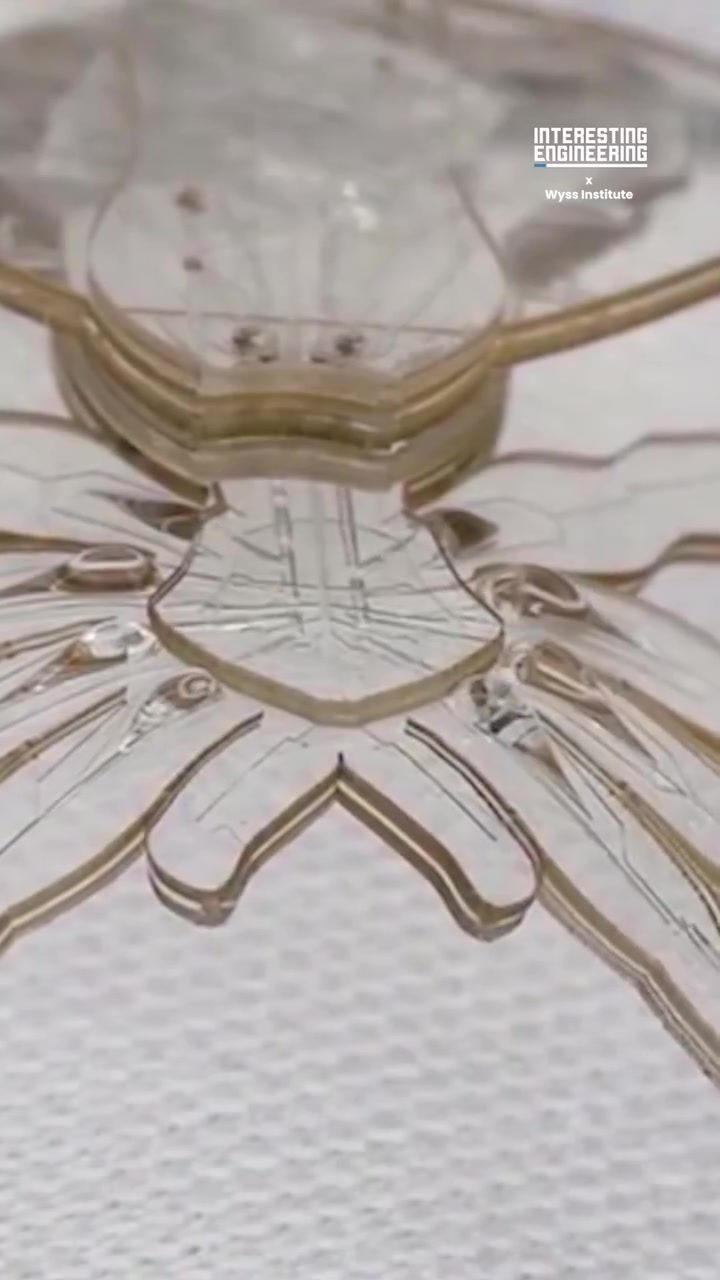
Tiny Soft Robotic Spider: A Marvel of Micro-Robotics
The Wyss Institute's millimeter-scale silicone soft robotic spider is a groundbreaking innovation in the field of micro-robotics. This tiny marvel can walk, change color, and even permanently alter its shape, showcasing the cutting-edge capabilities of modern engineering.
Context / Why this matters
Micro-robotics has always been at the frontier of technological innovation, and the Wyss Institute's soft robotic spider is a testament to that. These minute robots, often inspired by nature, push the boundaries of what is possible in engineering. They have applications ranging from medical procedures to environmental monitoring, offering solutions that are both precise and non-invasive. The ability of the spider to change color and shape dynamically opens up new possibilities for adaptive and responsive technologies.
Main discussion
Design and Fabrication
The tiny soft robotic spider is fabricated using origami-inspired techniques, which allow for intricate and precise folding of materials. This origami approach, combined with integrated microfluidic channels, enables the spider to perform a range of complex movements.
The spider features 18 degrees of freedom, meaning it can move in multiple directions and orientations. This high degree of freedom is crucial for tasks that require precise and agile movements, such as navigating through tight spaces or manipulating small objects.
Capabilities
Walking-Like Movement
One of the most impressive capabilities of the soft robotic spider is its ability to walk like a real spider. This is made possible by the integration of microfluidic channels, which allow for controlled fluid movement within the robot's structure. These channels enable the spider to bend and extend its legs in a manner that mimics the locomotory movements of a real spider.
Dynamic Color Changes
The spider's ability to change color dynamically is another standout feature. This is achieved through integrated microfluidic channels that can alter the appearance of specific areas on the spider's body. This capability has a variety of applications, from signaling and communication to camouflage and aesthetic purposes.
Permanent Shape Transformation
The spider can also undergo permanent shape transformations, which are made possible by the origami-inspired fabrication techniques. These transformations allow the spider to adapt to different environments and tasks, making it a highly versatile tool in various fields. Whether it's for medical procedures requiring precise manipulations or environmental monitoring that demands adaptability, this feature enhances the spider's utility.
Engineering Insights
The intricate wiring and internal components of the robot are a marvel of micro-engineering. The internal structure is revealed through macro photography, showcasing the sophisticated design and precision required to create such a tiny, yet highly functional, device. The microfluidic channels and origami-inspired design are particularly noteworthy, as they enable the spider to perform complex movements and adaptations.
Practical Tips
Building and operating micro-robots like this requires advanced engineering and precision. Here are some practical tips for those interested in this field:
1. Master the Basics
Before diving into complex projects, it's essential to have a solid understanding of the basics of robotics, including mechanics, electronics, and programming. Familiarize yourself with fundamental concepts and gradually move on to more advanced topics.
2. Explore Origami Techniques
Origami-inspired fabrication techniques are crucial for creating intricate and precise structures. Experiment with different folding patterns and materials to understand how they can be applied to micro-robotics. This will give you a good foundation for designing and building complex robots.
3. Utilize Microfluidics
Microfluidic channels play a significant role in the functionality of the soft robotic spider. Understanding how to incorporate and control these channels can greatly enhance the capabilities of your robot. Explore the principles of microfluidics and experiment with different designs and materials.
4. Learn from Experts
The Wyss Institute and similar research organizations are at the forefront of micro-robotics innovation. Stay updated with their latest research and developments. Engage with online communities, attend workshops, and collaborate with experts in the field to gain valuable insights and hands-on experience.
Important Takeaways
Adaptability and Versatility
One of the key takeaways from the Wyss Institute's soft robotic spider is its adaptability and versatility. The ability to change color, permanently alter shape, and perform complex movements makes it a highly versatile tool with a wide range of applications.
Precision and Innovation
The advanced engineering and microfabrication techniques used in the creation of the spider highlight the importance of precision and innovation in robotics. Each component, from the microfluidic channels to the origami-inspired design, is meticulously crafted to ensure optimal performance.
Future Possibilities
The capabilities demonstrated by this tiny robotic spider open up new possibilities for the future of micro-robotics. From medical applications to environmental monitoring, the potential for these tiny robots is vast. As technology continues to advance, we can expect to see even more innovative and versatile micro-robots in the years to come.
Conclusion
The Wyss Institute's millimeter-scale silicone soft robotic spider is a testament to the incredible advancements in the field of micro-robotics. With its ability to walk, change color, and permanently alter its shape, this tiny robot showcases the cutting-edge capabilities of modern engineering. Whether for medical procedures, environmental monitoring, or other innovative applications, the potential for these micro-robots is vast and exciting.
Watch the Reel
Questions readers ask
How does the Wyss Institute's soft robot spider walk like a real spider?
The soft robot spider mimics the movement of a real spider through the use of sophisticated micro-actuators. These actuators allow the robot to lift and lower its legs in a coordinated manner, enabling it to walk smoothly and efficiently, much like a natural spider. This capability is a remarkable achievement in biomimicry and micro-robotics.
What is the significance of the soft robot spider being able to change color?
The color-changing feature of the soft robot spider allows it to adapt to various environments and tasks. This capability can be instrumental in medical settings, where the robot might need to blend in with its surroundings. It can also be useful for environmental monitoring, as the color change can indicate different conditions or responses to stimuli. Additionally, it showcases the advanced materials and engineering techniques used in its creation.
Can the soft robot spider permanently alter its shape, and how is this useful?
The soft robot spider can indeed permanently alter its shape, which is made possible by specific materials that can be manipulated and set into new configurations. This feature allows the robot to adapt to different tasks or environments, enhancing its versatility. For example, the robot might need to change shape to fit through narrow passages in medical procedures or to navigate complex terrains in environmental monitoring.
What are some potential applications of the soft robot spider in medical tasks?
The soft robot spider's unique capabilities make it well-suited for various medical applications. Its small size and adaptability allow it to perform minimally invasive surgeries, navigate through the human body for diagnostic purposes, or even deliver targeted treatments. The robot's ability to change color and shape can also aid in better visualization and manipulation during procedures.
How does the soft robot spider contribute to environmental monitoring?
The soft robot spider can be deployed in environmental monitoring to gather data from hard-to-reach or sensitive areas. Its small size and adaptability enable it to navigate through intricate landscapes, while its color-changing feature can help in tracking pollution levels or other environmental changes. The robot's ability to alter its shape can also allow it to access confined spaces, making it a valuable tool for environmental research and conservation efforts.
What materials are used to create the soft robot spider, and why are they important?
The soft robot spider is primarily made from silicone, a material chosen for its flexibility and durability. Silicone allows the robot to mimic the soft, adaptable movements of a real spider and enables its color-changing and shape-shifting abilities. The use of silicone also makes the robot lightweight and safe for interaction with both medical and environmental settings. This material is crucial for achieving the robot's advanced capabilities and ensuring its functionality.
How does the soft robot spider exemplify the advancements in micro-robotics?
The soft robot spider showcases several breakthroughs in micro-robotics, including the integration of micro-actuators for precise movement, the use of advanced materials for color and shape change, and the ability to perform complex tasks at a millimeter scale. These features demonstrate the progression of robotics technology and pave the way for more innovative and adaptive robots in the future.
Related deep dives
Similar reads based on topic and creator.


Recent articles
Fresh deep dives from the latest Reels we unpacked.




Comments
Be the first to comment.