The World Humanoid Games: Humans and Bots
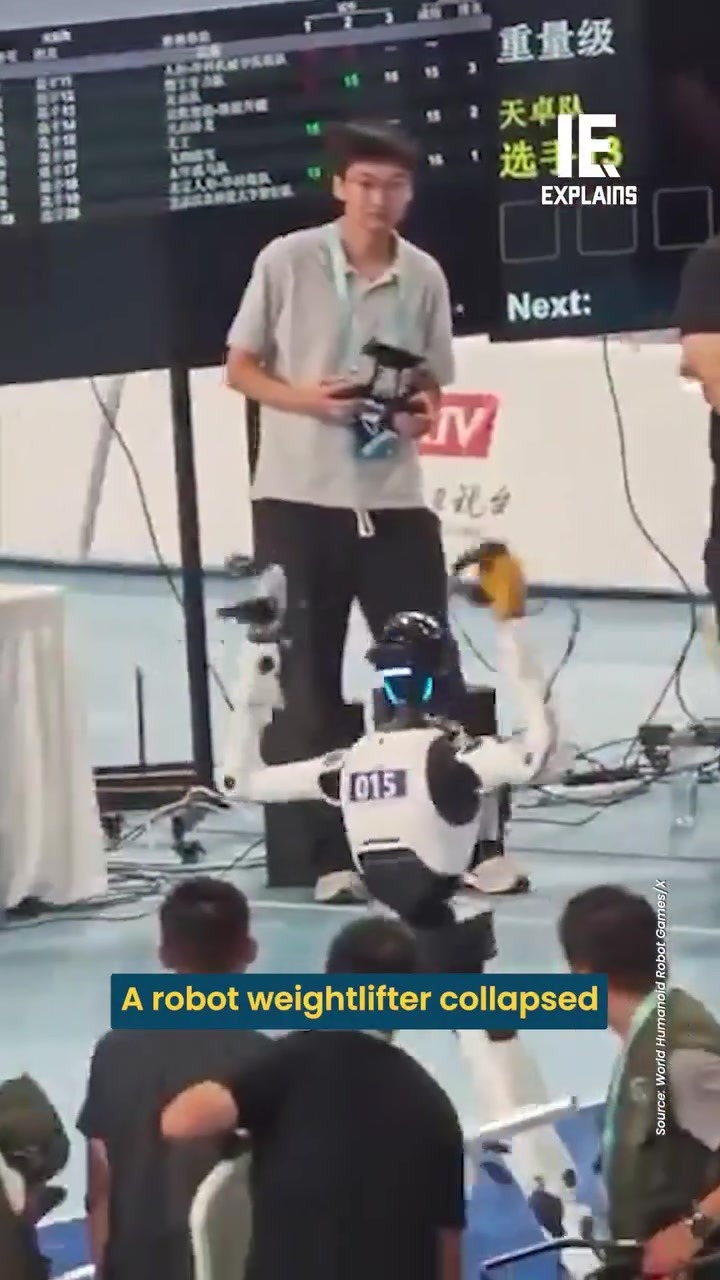
At Beijing’s World Humanoid Games, over 2,000 humanoid robots tested their mettle in a dizzying array of challenges. A robot weightlifter collapsed under the strain of a barbell. Tiangong Ultra grabbed headlines by racing 100 meters in a stunning 9.39 seconds, beating Usain Bolt's world record. Yet, the mechanical marvels aren't always precise. A robot faltered and crashed into a foam wall after its high-speed sprint, and another careened straight into an electrical box. The event highlighted the robots’ strengths and weaknesses, showcasing both their incredible capabilities and the engineering hurdles still to clear.
The World Humanoid Games: An All-Robot Showcase
The event is a spectacle that allows roboticists to test their innovations in real-world scenarios. Roboticists and their increasingly agile creations converged in Beijing for the third consecutive World Humanoid Games. With 666 teams representing 16 countries, the tournament featured a wide range of competitions, from football to weightlifting. The goal is to translate scientific advancements into tangible, everyday applications. Robots are often designed to emulate human capabilities and are expected to perform feats like running, lifting, and even dancing. Teams compete in events designed to test the limits of what's possible with robotics. The games offer a unique challenge for engineers, as robots must display both agility and control.
The Problem: Precision Over Speed
Humanoid robots aren’t always as precise as we’d like. Tiangong Ultra’s 100-meter sprint in 9.39 seconds is breathtaking. Yet, after breaking the record, the robot crashed into a foam wall. One robot lost control and ran into an electrical box. The events demonstrate that while robots can run fast, stopping and navigating are still significant challenges in the field.
Weightlifting Metrics
Competing in both strength and agility events, one robot collapsed during a weightlifting competition. Robot weightlifting didn’t go exactly according to plan, as evidenced by the collapse of a robot shortly after lifting a barbell. A robot weightlifter collapsed after lifting the barbell, a stark reminder of the current limitations in robotic strength and endurance.
Racing Robots
The World Humanoid Games highlighted the impressive speeds possible with robotics. Tiangong Ultra shocked the crowd with a 100-meter sprint in 9.39 seconds, surpassing Usain Bolt’s world record of 9.58 seconds. But, speed isn’t the only measure of success. It is notably crunched into a foam wall, highlighting the ongoing issues with control and precision. Another robot, Lightning, ran 9.47 seconds in the official competition, just beating its own 9.32-second test run. These robots show incredible potential but also reveal the hurdles robotics still face.
A Unique Robotic Invention
The QGX from Dax AI Robotics stands out with a unique design. This all-terrain robot combines four mechanical legs with saddle and handlebars, allowing a person to ride it like a robotic horse. The unconventional design drew crowds at the five-day conference. The QGX can reportedly carry up to 660 pounds, showcasing another facet of what's achievable in modern robotics.
The Face-Off: Humans vs. Machines
The most exciting moments came when humanoid robots tried to emulate or surpass human feats. Robots raced faster than humans, showcasing their speed, but stopping was a challenge. Tiangong Ultra’s record-breaking run was followed by an abrupt crash into a wall. This event highlighted the gap between robotics’ potential and its current capabilities in real-world environments. The contrast between the robots' raw speed and their lack of control became apparent when Honor's Lightning careened into an electrical box.
A Push Towards Real-World Applications
The event showcased how robots might soon enter our daily lives. From weightlifting to football, the World Humanoid Games demonstrated a range of robotic capabilities. The robotics industry is exploding as companies vie to create robots that can assist in everyday life. Robots designed to emulate human actions are increasingly common, and events like the World Humanoid Games push the boundaries of what’s possible. The key takeaway from the World Humanoid Games is the continued push for real-world applications. While raw speed and strength are impressive, engineers and roboticists are still working on control and precision. The event highlighted both the incredible potential and the current limitations of these mechanical marvels.
Watch the Reel
Questions readers ask
What exactly are the World Humanoid Games and how do they work?
The World Humanoid Games are an international competition where humanoid robots from around the world test their abilities in various challenges. The event takes place over several days, with robots competing in events like sprinting, weightlifting, and football. Teams of roboticists design and program their robots to showcase advancements in robotics and test their creations in real-world scenarios. It's a bit like the Olympics, but for robots.
How does Tiangong Ultra compare to human athletes in terms of speed?
Tiangong Ultra set a new world record for the 100-meter sprint with a time of 9.39 seconds, which is faster than Usain Bolt’s human world record of 9.58 seconds. This showcases the incredible speed capabilities of advanced robotics, even if the robots still struggle with precision and control.
Why did some robots face issues like crashing into walls or collapsing during events?
The robots faced issues due to current limitations in their design and programming. While they can achieve impressive speeds and feats of strength, they often lack the precision and control needed for tasks like stopping abruptly or navigating obstacles. This highlights the ongoing challenges in robotics, particularly in balancing speed with accuracy.
What makes the QGX robot from Dax AI Robotics unique?
The QGX robot stands out because of its unique design, which combines four mechanical legs with a saddle and handlebars, allowing a person to ride it like a robotic horse. This unconventional design drew a lot of attention at the games and showcases innovative thinking in robotics.
How do the robots in the World Humanoid Games translate into practical, everyday applications?
The robots in the World Humanoid Games are designed to emulate human capabilities, such as running, lifting, and dancing. By testing these robots in various challenges, roboticists can identify areas for improvement and develop technologies that can be applied to everyday tasks, such as assisting in manufacturing, healthcare, and even entertainment. The games serve as a platform for pushing the boundaries of what's possible with robotics in real-world scenarios.
Related deep dives
Similar reads based on topic and creator.




Recent articles
Fresh deep dives from the latest Reels we unpacked.



Comments
Be the first to comment.