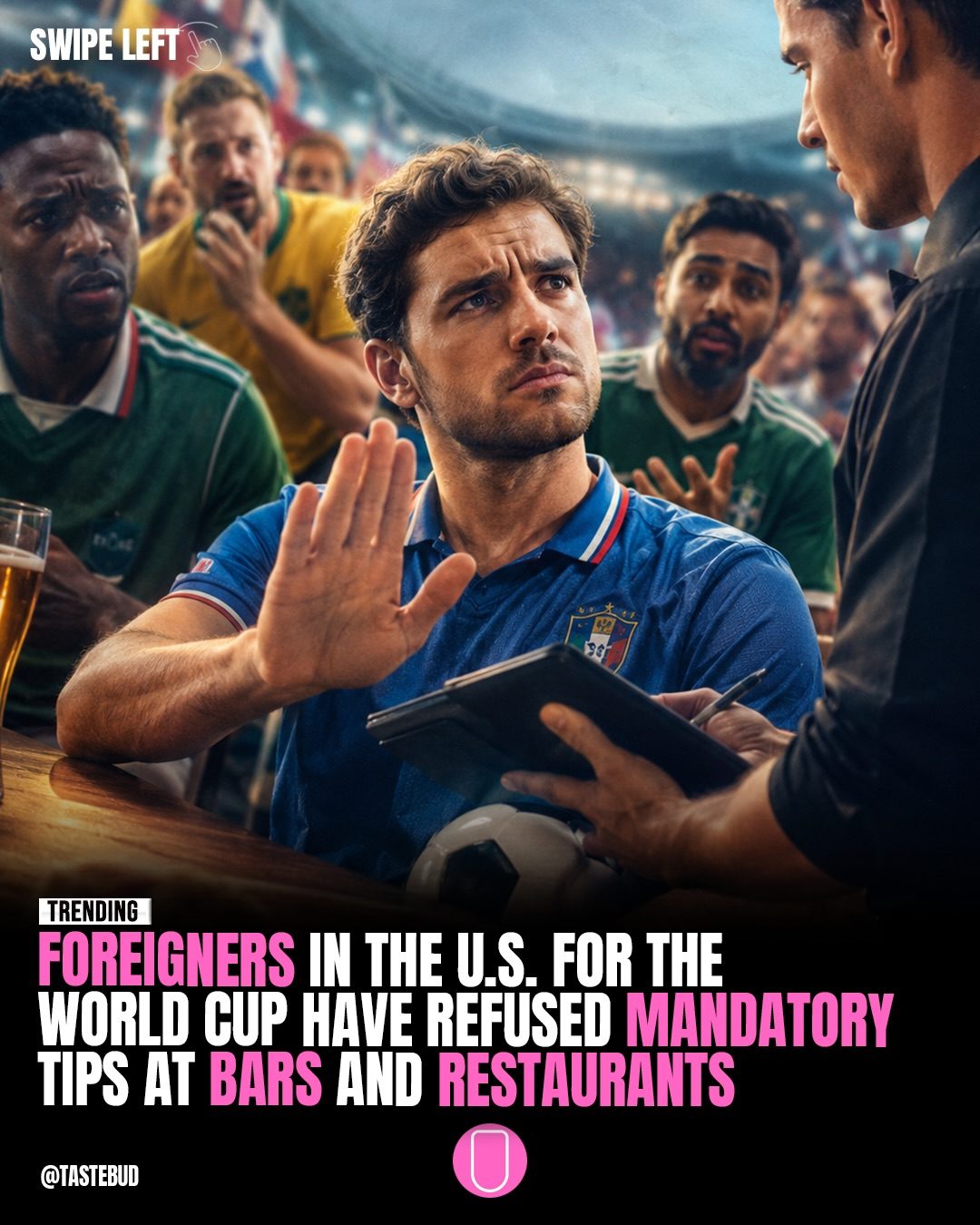
International Visitors in the US for the World Cup: Navigating the Tip Culture
The World Cup in the United States has sparked an interesting debate about tipping. Visitors from around the world are encountering a major cultural difference. In many countries, service is already included in the price, so the expectation to tip 15 to 25 percent can be confusing or even frustrating. This cultural clash has led to a wider discussion about wages, service, and the responsibility of paying service workers.
Why This Matters
The issue of tipping in the U.S. is not new, but the influx of international visitors for the World Cup has brought it to the forefront. Understanding the basics of tipping culture in the U.S. can help visitors navigate their dining experiences more smoothly. For restaurant owners and staff, it highlights the need for clear communication and perhaps even changes in policy to accommodate a more diverse clientele.
The Debate: Tipping Culture and Worker Pay
The Cultural Difference
In many countries, service is included in the bill, making the tipping culture in the U.S. confusing. Visitors from these countries often do not understand why they are expected to add an extra 15 to 25 percent to their bill. This cultural gap can lead to misunderstandings and frustration for both customers and service staff. For instance, a traveler from France or Germany might not comprehend why a server is expecting a tip if the service is considered part of the overall cost.
The Economic Perspective
The tipping culture in the U.S. has long been a subject of debate. Critics argue that relying on tips to supplement wages is exploitative. Advocates for better worker pay contend that businesses should bear the responsibility of paying their employees a livable wage rather than relying on customer generosity. This viewpoint has gained traction, especially with the rise of automatic service charges in some establishments.
The Restaurant Industry's Response
In response to the controversy, some restaurants in major host cities have started adding automatic service charges to protect staff income. This move aims to ensure that workers receive fair compensation without relying on tips. It also addresses the confusion international visitors experience, as the additional charge is clearly itemized on the bill.
The Role of Social Media
The issue has sparked a significant online debate, with many visitors and locals sharing their opinions. Some visitors have pushed back, arguing that businesses should pay workers directly. This has led to a broader conversation about the future of tipping culture and its implications for the restaurant industry.
Navigating the Tipping Landscape
Tips for International Visitors
Visiting the U.S. during the World Cup can be an exciting experience, but it's important to understand the local customs around tipping. Here are a few tips:
-
Check the Bill: Services charges and taxes are the norm. If the bill does not include these, a tip is expected.
-
Understand the Percentage: In the U.S., a standard tip is between 15 and 25 percent, depending on the quality of service.
-
Cash is King: While credit cards are widely accepted, cash tips are often preferred by servers.
-
Avoid Currency Confusion: Ensure you have the correct currency for tipping, especially if you have traveled from a different country.
Tips for Restaurant Owners
Restaurant owners can play a key role in addressing the tipping controversy. Here are some strategies:
-
Clear Communication: Clearly communicate your tipping policy to customers, especially those from other countries.
-
Consider Automatic Service Charges: Adding an automatic service charge can help ensure that employees are compensated fairly, regardless of tipping practices.
-
Employee Training: Train your staff to handle cultural differences sensitively and professionally.
Practical Solutions
For Visitors
Understanding the tipping culture before your visit can save you from awkward situations. Research the tipping practices in the areas you plan to visit, and if possible, consult with locals or travel guides.
For Restaurants
Implementing clear policies and communicating them effectively can help manage customer expectations. Some restaurants are moving towards a no-tip model, where all staff are paid a living wage, and prices are slightly higher. This model has been successfully adopted by many restaurants in high-cost cities.
Important Takeaways
The tipping controversy surrounding the World Cup highlights the cultural and economic differences that can arise when people from diverse backgrounds interact. For visitors, understanding the local tipping customs is crucial for a smooth dining experience. For restaurants, clear communication and fair compensation practices can address the concerns of both staff and customers.
Conclusion
The World Cup in the U.S. has brought to light the cultural nuances of tipping, sparking a broader debate about wages and service compensation. By understanding and addressing these issues, both visitors and restaurant owners can create a more harmonious and respectful dining experience for everyone. It's a conversation worth having, as it touches on the larger issues of cultural sensitivity, economic fairness, and the future of the service industry.
Watch the Reel
Questions readers ask
Why do Americans tip in restaurants?
Americans tip in restaurants primarily because the federal minimum wage for tipped workers is significantly lower than the standard minimum wage, and tips are intended to make up the difference. This practice is deeply ingrained in U.S. dining culture, although it is not universally practiced in the same way around the world.
What is the customary tipping range in the U.S.?
The customary tipping range in the U.S. is typically between 15% and 25% of the pre-tax bill. A 15-20% tip is generally considered adequate for average service, while 20-25% is often given for exceptional service. However, tipping can sometimes be as high as 30-35% in some cities.
Is tipping mandatory in the U.S.?
Tipping is not legally required in the U.S., but it is strongly expected and socially enforced. Waitstaff in the U.S. rely on tips to supplement their income, and failing to tip can be considered rude or disrespectful. However, if the service is poor, patrons can choose to leave a smaller tip or even no tip at all, depending on the circumstances.
How can foreign tourists determine an appropriate tip in the U.S.?
Foreign tourists can determine an appropriate tip by calculating 15-25% of the pre-tax bill. Many restaurants in the U.S. automatically include a gratuity for larger parties, but it's always a good idea to check the bill. If in doubt, asking the server for clarification is perfectly acceptable.
What should I do if I receive poor service in a U.S. restaurant?
If you receive poor service, you can choose to leave a smaller tip or no tip at all. However, it's important to be polite and respectful when communicating your dissatisfaction. You can also consider speaking with a manager to express your concerns.
Can I tip in cash or with a card in the U.S.?
You can tip in both cash or with a card in the U.S. Some people prefer to tip in cash to ensure the server receives it immediately, while others find it more convenient to add the tip to their card payment. Many restaurants allow you to add a tip when paying by card, and servers typically receive these tips in their next paycheck.
What happens to the tips that I leave in a U.S. restaurant?
In the U.S., tips are typically distributed among the waitstaff, bussers, and other restaurant employees who provide service. The exact distribution can vary by establishment, but it is often based on a predetermined pooling system or a set percentage of tips allocated to each worker. This system ensures that all staff members who contribute to the dining experience receive a share of the gratuities.
Related deep dives
Similar reads based on topic and creator.




Recent articles
Fresh deep dives from the latest Reels we unpacked.




Comments
Be the first to comment.