World Cup Ticket Prices: A Decade-by-Decade Breakdown
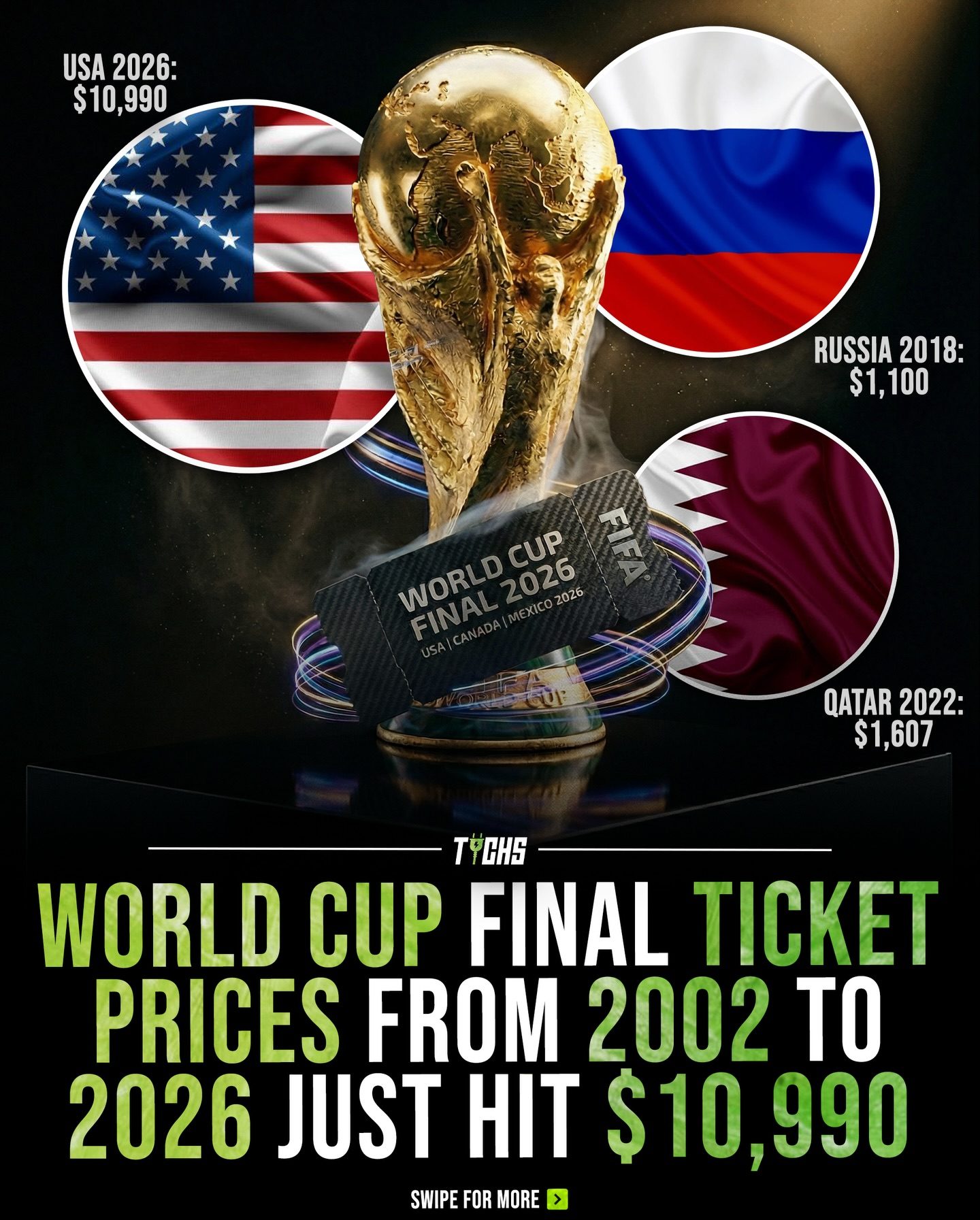
World Cup final tickets have seen a dramatic increase in prices over the years, reflecting the growing global demand and commercialization of the sport. From the early 2000s to the upcoming 2026 tournament, ticket prices have surged from around $660 to $750 to nearly $11,000. This price hike mirrors the event's escalating scale, popularity, and the introduction of exclusive experiences.
Context / Why this matters
The World Cup is more than just a sporting event; it's a global phenomenon that brings together fans from around the world. Understanding the trends in ticket prices offers insights into the economic and cultural significance of the tournament. Whether you're a die-hard football fan or simply curious about the economics of major sporting events, knowing how ticket prices have evolved provides a unique perspective on the World Cup’s transformation over the decades.
World Cup Ticket Prices: A Decade-by-Decade Breakdown
The Early 2000s: South Korea and Japan 2002
The 2002 World Cup, co-hosted by South Korea and Japan, marked the beginning of a new era for the tournament. Ticket prices during this event ranged from around $660 to $750. This period saw the World Cup expanding its reach into Asia, attracting a broader international audience and setting the stage for future price increases.
2006: Germany
In 2006, Germany hosted the World Cup, and ticket prices continued to rise. While specific pricing details from this year are not explicitly mentioned, the trend of increasing costs was evident. The event showcased Germany's rich footballing heritage and infrastructure, drawing massive crowds and attention to the sport.
2010: South Africa
The 2010 World Cup in South Africa was a historic moment as it was the first time the tournament was held on the African continent. Final tickets went up to around $900 at peak pricing, reflecting the event's significance and the global interest it generated. This marked a notable increase from the previous tournaments, highlighting the growing demand for World Cup tickets.
2014: Brazil
Brazil 2014 saw another significant jump in ticket prices. While specific numbers are not provided, the trend of increasing costs continued as the World Cup moved to one of football's most passionate and fervent fan bases. The event was known for its vibrant atmosphere and the high level of competition, further fueling the demand for tickets.
2018: Russia
The 2018 World Cup in Russia saw final tickets hit around $1,100, the highest ever at the time. This price surge reflected the tournament's global popularity and the high level of competition. Russia's successful hosting of the event, combined with the country's rich footballing history, attracted fans and media from around the world, contributing to the high demand for tickets.
2022: Qatar
The 2022 World Cup in Qatar marked another significant milestone in ticket pricing, with final tickets reaching $1,607. This increase was driven by Qatar's intense efforts to host a world-class event, including state-of-the-art stadiums and infrastructure. The compact nature of the host country also contributed to the high demand for tickets, as fans sought to experience the unique atmosphere of the tournament.
2026: USA, Canada, and Mexico
Looking ahead to the 2026 World Cup, co-hosted by the United States, Canada, and Mexico, top-tier tickets are projected to surge to an unprecedented $10,990. This dramatic increase reflects the growing global demand for the World Cup, the commercialization of the event, and the introduction of exclusive experiences. The tournament's expanded reach across three countries is expected to attract a record-breaking number of fans, further driving up ticket prices.
Main Discussion
Factors Driving Ticket Price Increases
Several factors contribute to the escalating ticket prices for the World Cup. Firstly, the global popularity of the tournament has surged, with millions of fans tuning in from around the world. This increased demand for tickets drives up prices, as fans are willing to pay premiums to secure their spots at the matches.
Secondly, the commercialization of the World Cup has played a significant role in price increases. Sponsorship deals, merchandise sales, and other revenue-generating activities have all contributed to the tournament's growing economic value, allowing organizers to charge higher ticket prices.
Additionally, the introduction of exclusive experiences has added to the allure of attending the World Cup, but also to the cost. Fans are now offered VIP packages, luxury seating, and behind-the-scenes access, all of which come at a premium.
The Impact of Hosting Countries
The choice of hosting countries also influences ticket prices. Each host country brings its unique cultural and economic factors to the table, affecting the overall cost of attending the tournament. For instance, the compact nature of Qatar in 2022 created a high demand for tickets due to limited seating options, whereas the 2026 event, spanning three countries, offers a broader range of venues and experiences.
The Role of Technology and Broadcasting
Advancements in technology and broadcasting have also contributed to the increasing ticket prices. High-definition broadcasts, live streaming, and enhanced viewing experiences have made the World Cup more accessible to a global audience, further increasing its popularity and driving up ticket demand.
The Economic Value of the World Cup
The World Cup is not just a sporting event; it's a significant economic driver for host countries. The tournament brings in billions of dollars in revenue, creating jobs, stimulating local economies, and enhancing infrastructure.
Practical Tips
If you're planning to attend the 2026 World Cup or any future tournaments, here are some practical tips to help you navigate the ticketing process:
Plan Ahead
Start planning your World Cup attendance well in advance. Ticket sales often open months, if not years, before the tournament begins, so being early can give you a better chance of securing your preferred tickets at more affordable prices.
Set a Budget
Determine how much you are willing to spend on tickets and stick to your budget. Keep in mind that prices can vary significantly based on the match, seating category, and additional perks. Setting a budget will help you make informed decisions and avoid overspending.
Consider Package Deals
Look into package deals that include tickets, accommodation, and transportation. These packages can sometimes offer better value for money and simplify the logistical aspects of attending the tournament.
Explore Secondary Markets
If you miss out on the official ticket sales, consider exploring secondary markets. However, be cautious of scams and only purchase from reputable sources to avoid being ripped off.
Stay Informed
Keep up-to-date with the latest news and announcements from the official tournament website. Staying informed can help you make timely decisions and take advantage of any special offers or promotions.
Be Flexible
Being flexible with your travel plans can also help you secure tickets at lower prices. For example, traveling to different cities or attending matches on less popular days can sometimes offer better deals.
Important Takeaways
The evolution of World Cup ticket prices reflects the tournament's growing global popularity, commercialization, and the introduction of exclusive experiences. From around $660 to $750 in 2002 to nearly $11,000 in 2026, the price hike mirrors the event's escalating scale and demand. Understanding these trends can help fans better plan their attendance and make the most of their World Cup experience.
Conclusion
World Cup ticket prices have seen a significant increase over the years, driven by factors such as global demand, commercialization, and the introduction of exclusive experiences. From the early 2000s to the upcoming 2026 tournament, the price surge reflects the event's growing economic and cultural significance. Whether you're a long-time fan or a first-time attendee, understanding the factors driving ticket prices can help you navigate the process and make the most of your World Cup experience.
Watch the Reel
Questions readers ask
How have World Cup final ticket prices changed from 2002 to 2022?
World Cup final ticket prices have increased dramatically. In 2002, tickets were around $660 to $750. By 2018, the average price for a final ticket reached approximately $1,100. This trend reflects the growing global demand and commercialization of the sport, with prices peaking at nearly $11,000 for the 2022 final.
What factors contribute to the increasing ticket prices for the World Cup?
Several factors contribute to this trend, including the escalating scale of the tournament, its rising popularity, and the introduction of exclusive experiences. The global phenomenon draws fans worldwide, driving demand and justifying higher prices.
Why are World Cup tickets for the 2026 tournament expected to be so high?
The 2026 World Cup is anticipated to be one of the largest and most commercially successful tournaments yet, with matches hosted across the United States, Canada, and Mexico. The expected high demand, coupled with the increased production costs and exclusive experiences, will likely drive ticket prices to new heights.
How do World Cup ticket prices compare to other major sporting events?
World Cup ticket prices are generally higher than those for other major sporting events, such as the Olympics or UEFA Champions League final. This is due to the tournament's unparalleled global appeal, the limited number of tickets available, and the exclusive experiences offered.
What impact does the increasing ticket price have on fans and the economy?
The rising ticket prices can make it more difficult for some fans to attend the games in person, potentially leading to increased viewership at home or in public spaces. Economically, higher ticket prices generate more revenue for organizers, which can be reinvested into the sport and infrastructure, benefiting host countries and cities.
Which countries host the 2026 World Cup tournament and how does this influence ticket prices?
The 2026 World Cup will be hosted by the United States, Canada, and Mexico, marking the first time three countries have co-hosted the event. The diverse range of venues and the anticipated high demand from North American fans are expected to influence ticket prices, likely driving them even higher than previous tournaments.
How did the Russia 2018 World Cup ticket prices compare to previous tournaments?
Russia 2018 ticket prices were around $1,100 for the final, reflecting a significant increase from previous tournaments. This jump was due to the tournament's expanded scale, the intense global demand, and the unique experiences offered to fans, such as access to elite venues and exclusive fan zones.
Related deep dives
Similar reads based on topic and creator.


Recent articles
Fresh deep dives from the latest Reels we unpacked.




Comments
Be the first to comment.