Truck Stop Sign Mishap
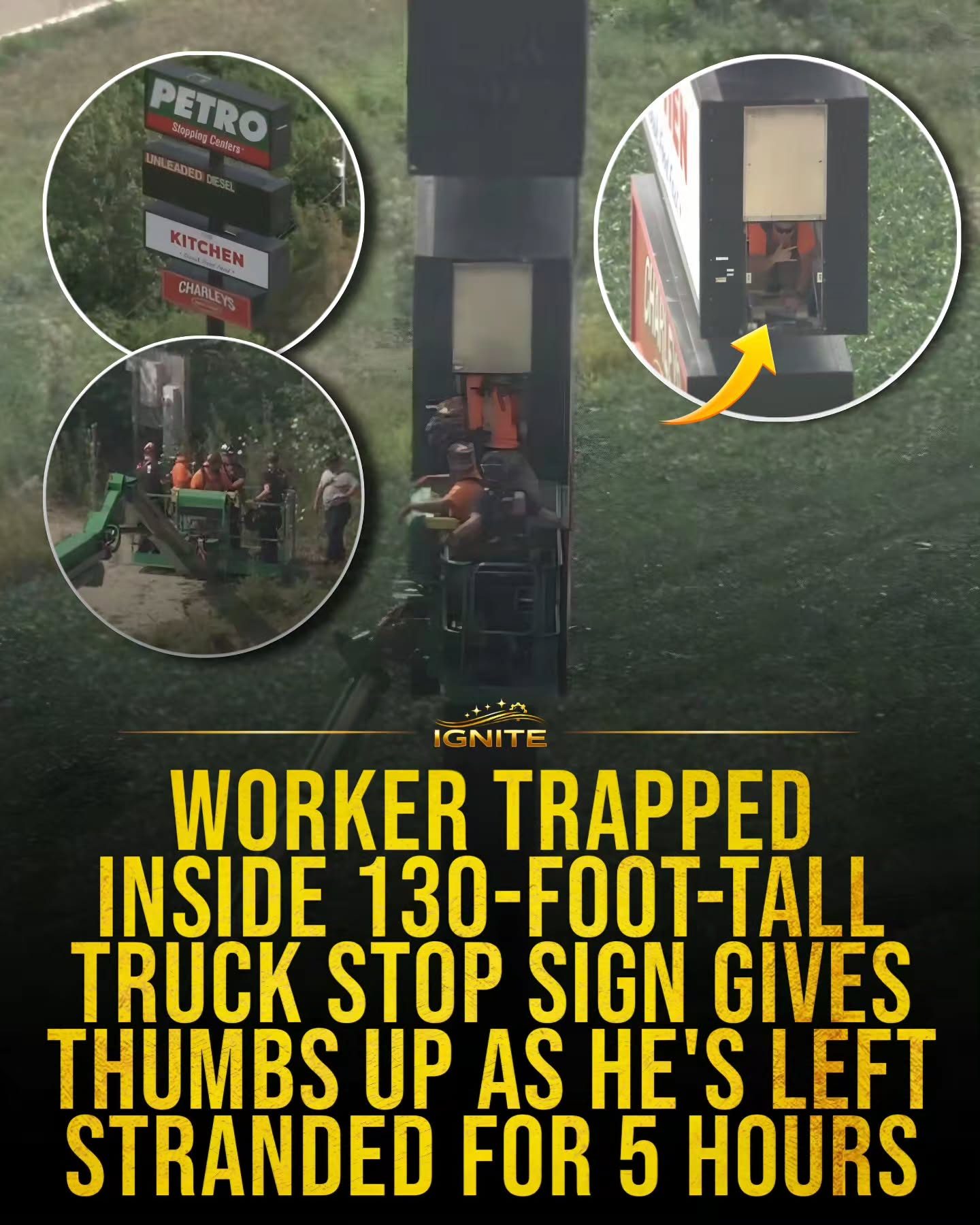
A worker inside a 130-foot-tall truck stop sign at a Petro Stopping Centers location was stranded for five hours and gave a thumbs-up sign during the ordeal. This unusual incident raises questions about sign maintenance, worker safety, and emergency preparedness.
Why this matters
Truck stop sign incidents, while rare, underscore the importance of safety protocols and emergency response at large-scale facilities. Understanding the circumstances surrounding this event can provide valuable insights into how such situations can be prevented and managed more effectively in the future.
The Incident
The Setup
The Petro Stopping Centers location features a massive 130-foot-tall truck stop sign, a common sight at many large truck stops. These signs are designed to attract attention and feature essential information for truck drivers, including fuel types, dining options, and other services available at the stop.
The Unfolding
A worker was inside the sign, likely performing routine maintenance or repairs. Truck stop signs, like any large structure, require regular upkeep to ensure they remain in good condition and operate safely. However, in this case, the worker found himself in a difficult situation. He was trapped inside the sign for five hours, unable to safely exit. Despite the challenges, he managed to keep his spirits up, giving a thumbs-up sign as he awaited rescue.
The Response
The incident highlights the importance of having effective emergency protocols in place. While the worker was eventually rescued, the prolonged duration of his entrapment raises questions about the efficiency of the response and the safety measures in place. Emergency protocols should be designed to minimize the time a worker is in danger and ensure swift and effective rescue operations.
The Thumbs-Up
The worker's thumbs-up sign is a testament to his resilience and positive mindset. It also serves as a reminder that human factors, such as mental preparedness and emotional resilience, play a crucial role in how individuals cope with emergencies.
Understanding Maintenance and Safety at Truck Stops
Regular Maintenance
Large truck stop signs, like those at Petro Stopping Centers, require regular maintenance to ensure they remain in good condition. Routine inspections and updates are essential to prevent any issues or malfunctions that could potentially lead to accidents or emergencies. Proper maintenance includes checking for structural integrity, electrical components, and mechanical parts to ensure the sign operates safely and efficiently.
Safety Protocols
Safety protocols are critical for ensuring the well-being of workers and preventing accidents. These protocols should include regular safety training, the use of appropriate safety equipment, and clear guidelines for handling emergencies. Regular training sessions can help workers understand the potential risks and how to manage them effectively.
Emergency Preparedness
Emergency preparedness is crucial for minimizing the impact of unexpected events. Truck stop operators should have a well-defined emergency response plan that includes steps for evacuating workers, contacting emergency services, and ensuring the safety of those involved. Regular drills and simulations can help ensure that everyone is familiar with the procedures and can react swiftly in an emergency.
Practical Tips for Truck Stop Operators
Conduct Regular Risk Assessments
Regular risk assessments can help identify potential hazards and areas for improvement. These assessments should include inspections of all large structures, such as signs, and evaluations of existing safety protocols. Identifying and addressing risks proactively can prevent incidents and ensure a safer working environment.
Ensure Proper Training
Ensure that all workers are properly trained in safety protocols and emergency procedures. Regular training sessions and updates on best practices can help workers stay prepared and confident in managing emergencies. Training should cover various scenarios, including how to respond to being trapped or dealing with structural issues.
Implement Robust Emergency Response Plans
Robust emergency response plans are essential for managing unexpected events effectively. These plans should include clear steps for evacuating workers, contacting emergency services, and ensuring the safety of those involved. Regular drills and simulations can help ensure everyone is familiar with the procedures and can react swiftly in an emergency.
Invest in Advanced Safety Equipment
Investing in advanced safety equipment, such as emergency rescue kits and communication devices, can significantly improve response times and safety. Ensure that all equipment is readily available and that workers are trained on how to use it effectively. Regularly updating and maintaining equipment is also crucial for ensuring its reliability in emergencies.
Foster a Culture of Safety
Creating a culture of safety within the organization is essential for ensuring that safety protocols are followed consistently. Encourage open communication about safety concerns and provide channels for workers to report issues without fear of reprisal. Regular feedback and continuous improvement can help maintain a safe and efficient working environment.
Important Takeaways
Truck stop signs, while essential for attracting customers, can present unique safety challenges. Regular maintenance, safety training, and emergency preparedness are crucial for mitigating risks and ensuring the safety of workers. By implementing robust safety protocols and investing in advanced safety equipment, truck stop operators can create a safer working environment and minimize the likelihood of incidents.
Conclusion
The incident at a Petro Stopping Centers location highlights the importance of safety protocols and emergency preparedness at large-scale facilities. Ensuring regular maintenance, safety training, and emergency response plans can help prevent similar incidents and keep workers safe. By fostering a culture of safety and investing in advanced safety equipment, truck stop operators can create a safer working environment and minimize the risks associated with large structures.
Watch the Reel
Questions readers ask
How does the height of large signs complicate rescue operations?
The height of a 130-foot tall sign can complicate rescue operations due to the logistical challenges, the need for specialized equipment, and the time required to safely reach and extract workers. This was evident in the five-hour rescue operation of the worker trapped in the Petro sign.
What kind of safety measures should be in place for large-scale facilities like truck stops?
Large-scale facilities should have comprehensive safety measures, including regular maintenance checks, emergency response plans, and easily accessible safety equipment. Workers should be trained in emergency procedures, and facilities should conduct regular drills to ensure preparedness.
Why are regular sign maintenance protocols essential in preventing such incidents?
Regular maintenance protocols can help identify and address potential hazards in signs, such as structural weaknesses or faulty equipment. This can prevent incidents where workers might get trapped or injured. Ensuring these protocols are followed can greatly enhance the overall safety of the facility.
What steps should be taken immediately after a worker becomes trapped in a sign?
After a worker becomes trapped, immediate steps should include notifying emergency services, securing the area to prevent further accidents, and initiating the rescue operation. Communication with the trapped worker should be maintained, and their well-being should be prioritized throughout the rescue process.
How can facilities improve emergency preparedness for unusual incidents like this?
Facilities can improve emergency preparedness by developing and regularly updating emergency response plans, providing training for all staff on these plans, and conducting mock drills. Equipping facilities with the necessary emergency response tools, such as harnesses and rescue cranes, is essential as well.
What specific considerations should be made for worker safety when working on tall signs?
When working on tall signs, specific considerations should include using appropriate fall protection equipment, ensuring workers are properly trained in sign maintenance, and having a spotter or safety observer on the ground. Regular safety audits and inspections can further mitigate risks.
Recent articles
Fresh deep dives from the latest Reels we unpacked.




Comments
Be the first to comment.