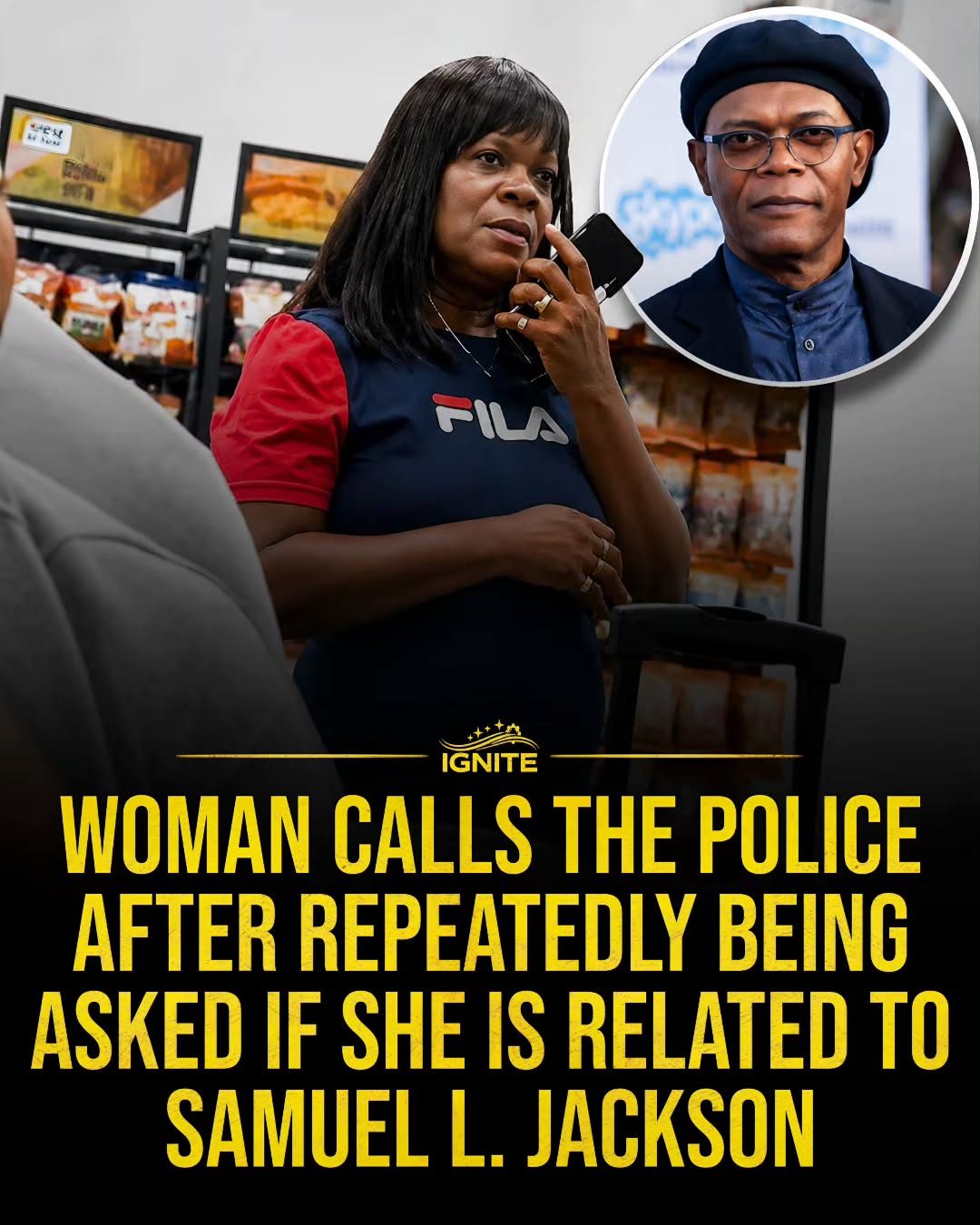
The Unusual Encounter: When a FILA Jacket Leads to Police Involvement
Being repeatedly asked if you're related to a famous celebrity can be both flattering and annoying. For one woman, it escalated into a situation that involved calling the police. But how does a simple question about a celebrity connection turn into a police matter?
Context: The Unlikely Celebrity Connection
Celebrity lookalikes or those with similar names often find themselves the subject of public curiosity. For many, this can become a recurring question that, while initially intriguing, becomes annoying and invasive. In this case, the woman in question was repeatedly asked if she was related to the iconic Hollywood actor, Samuel L. Jackson.
Samuel L. Jackson has a distinctive look and voice that make him instantly recognizable. For someone to be repeatedly asked if they are related to him, whether in jest or seriousness, can be unsettling. It can lead to feelings of being objectified or even harassed, especially if the questions become intrusive or persistent.
The woman in question was wearing a distinctive red FILA jacket, a popular brand known for its athletic and casual apparel. The combination of her outfit and the repeated inquiries about her relation to Samuel L. Jackson became the catalyst for a more serious incident.
The Escalation: From Annoyance to Police Involvement
The situation escalated when the woman felt compelled to call the police. This action was not taken lightly but as a means to address what she perceived as harassment. The repeated questions and the accompanying attention had crossed a line, turning a casual inquiry into a disruptive and uncomfortable experience.
Understanding the Legal Implications
Calling the police in such a scenario highlights the legal implications of persistent harassment. While the questions may have started innocently, the frequency and nature of the inquiries began to infringe on the woman's personal space and peace of mind. This underscores the importance of respecting personal boundaries and recognizing when a line has been crossed.
The Role of Social Media and Public Perception
The situation also draws attention to the role of social media and public perception. In today's digital age, viral content and public scrutiny can amplify even the most mundane interactions. The fact that the woman's experience was captured and shared highlights the impact of modern media on personal interactions and the broader implications for public figures and lookalikes.
Practical Tips for Handling Unwanted Attention
If you find yourself in a similar situation, there are several practical steps you can take to protect your personal space and peace of mind:
Set Clear Boundaries
Clearly communicate your boundaries. If you are uncomfortable with the questions, politely but firmly let the person know that you do not wish to discuss the topic. Use clear and respectful language to set these boundaries.
Document the Incident
Keep a record of the interactions, especially if they become repetitive or intrusive. This documentation can be valuable if you need to report the situation to authorities or seek legal recourse.
Seek Support
If you feel harassed or threatened, do not hesitate to seek support. This could be from friends, family, or local law enforcement. Having a support system can help you navigate the situation and ensure your safety and well-being.
Important Takeaways
The story of the woman in the FILA jacket highlights the complexities of public curiosity and the importance of respecting personal boundaries. It serves as a reminder that while celebrity lookalikes may attract attention, it is crucial to handle such situations with empathy and understanding. For those who are frequently asked about their relation to celebrities if questions become intrusive, knowing when and how to set boundaries is essential.
Conclusion
Ultimately, the situation underscores the delicate balance between public curiosity and personal privacy. It serves as a reminder that respect and boundaries are crucial in navigating interactions, especially in a world where social media can amplify even the smallest details. Whether you are a celebrity lookalike or simply someone in the public eye, knowing when to draw the line and seeking support when needed is essential.
Watch the Reel
Questions readers ask
Why did the woman call the police over questions about Samuel L. Jackson?
The woman called the police because she felt harassed by the repeated questions about her relation to Samuel L. Jackson. The persistent inquiries made her uncomfortable and she felt the need to involve authorities to make the harassment stop.
What should you do if you're repeatedly asked about your relation to a celebrity?
If you find yourself in a similar situation, it's important to clearly communicate your discomfort and ask the person to stop. If the behavior continues, document the incidents and consider reaching out to local authorities or a legal professional for advice. Safety and peace of mind are paramount.
How can questions about celebrity connections become harassing?
Questions about celebrity connections can become harassing when they are persistent and unwanted. They can make the person being asked feel uncomfortable, invaded, or even threatened, especially if the person asking does not respect the person’s boundaries and continues to ask despite clear signs of discomfort.
What steps can someone take to prevent repeated questions from escalating to harassment?
To prevent repeated questions from escalating, it's crucial to set clear boundaries from the start. Politely but firmly let the person know that the topic is off-limits and that you do not wish to discuss it. If they continue, consider limiting interactions with the individual. Documenting each incident is also important if the behavior persists.
Can asking someone about their celebrity connections lead to legal consequences?
Yes, repeatedly asking someone about their celebrity connections can lead to legal consequences, especially if the person being asked feels harassed or threatened. Depending on the jurisdiction, such behavior could potentially be considered harassment. If the person is a public figure, they may have legal recourse, including issuing a cease and desist.
What kind of support can authorities provide for people repeatedly asked about celebrity connections?
Authorities can provide various forms of support, including issuing warnings to the person asking the questions, helping to establish a restraining order, or even pressing charges if the situation escalates to harassment or stalking. It’s important to document all incidents clearly, including the date, time, and nature of the conversations to support any legal actions.
How can bystanders help if they witness someone being repeatedly asked about a celebrity connection?
If you witness someone being repeatedly asked about a celebrity connection and the person being asked seems uncomfortable, offer support to the individual. Bystanders can intervene by redirecting the conversation or stepping in to affirming the person's boundaries. Encourage the person to seek help from authorities if the behavior continues.
Related deep dives
Similar reads based on topic and creator.

Recent articles
Fresh deep dives from the latest Reels we unpacked.




Comments
Be the first to comment.