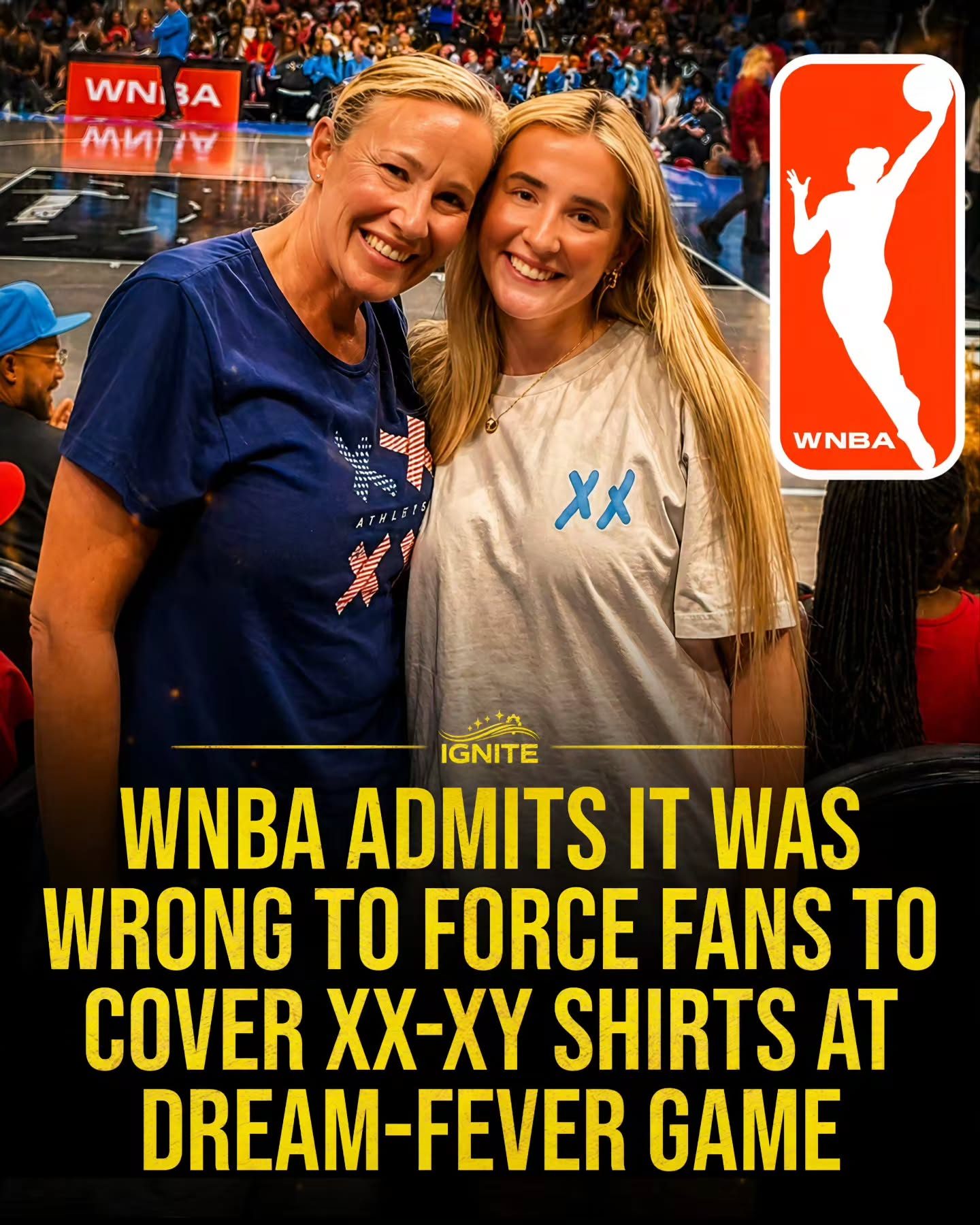
WNBA's Stance on Fan Attire: What Happened and Why It Matters
The WNBA recently made headlines when it apologized for a controversial policy that required fans to cover up shirts displaying sensitive material. The incident occurred during the Dream vs. Fever game, sparking a significant debate about fan expression and league policies.
Context: Why This Matters
The controversy surrounding the WNBA’s policy on fan attire highlights broader issues about free expression, fan behavior, and the boundaries of what is considered appropriate in professional sports settings. These policies not only affect the fan experience but also reflect the league's stance on social and political expression within sports arenas.
The Incident and the League's Response
What Happened
During a game between the Atlanta Dream and the Indiana Fever, the WNBA enforced a policy that required fans to cover shirts containing sensitive material. This policy led to a public outcry, with many fans and supporters arguing that it infringed on their right to free expression and publicized their concerns about the restrictions. The incident garnered significant attention, leading the WNBA to revisit and ultimately reverse its stance.
The WNBA's Apology
In response to the backlash, the WNBA publicly admitted that it was wrong to enforce the policy and issued an apology. This move was a significant shift, highlighting the league's acknowledgment of the importance of fan expression and the need for more inclusive policies. The apology was widely praised, but it also sparked further discussions about the nuances of fan behavior and the responsibilities of sports leagues in managing public spaces.
The Implications for Fan Behavior and League Policies
Balancing Freedom of Expression and Public Decorum
The incident raises critical questions about how sports leagues should balance freedom of expression with the need to maintain a respectful and enjoyable environment for all attendees. Fan attire can often be a form of self-expression, but it can also be a source of controversy. Policies that restrict such expression must be carefully crafted to avoid infringing on individual rights while ensuring that the event remains inclusive and respectful.
The Role of Sports Leagues in Social and Political Discourse
Sports leagues are increasingly becoming platforms for social and political discourse. The WNBA, in particular, has a history of supporting social justice issues, and its handling of the Dream-Fever game incident reflects a broader commitment to inclusivity and respect for diverse viewpoints. The league's apology and subsequent policy changes underscore the importance of listening to fans and addressing their concerns in a timely manner.
Practical Tips for Fans and Leagues
For Fans: Understanding Your Rights and Responsibilities
Fans attending sports events should be aware of the league's policies on attire and expression. While it is essential to respect the rules and regulations of the venue, fans should also feel empowered to voice their concerns and engage in constructive dialogue with the league. Understanding your rights and responsibilities can help create a more inclusive and respectful environment for everyone.
For Leagues: Crafting Inclusive Policies
Sports leagues should strive to create policies that foster an inclusive and respectful environment while also allowing for freedom of expression. This involves engaging in open communication with fans, understanding their concerns, and making adjustments as needed. Clear guidelines and transparency in policy-making can help build trust and maintain a positive relationship with the fan base.
Important Takeaways
The Importance of Inclusive Policies
The WNBA's handling of the Dream-Fever game incident underscores the importance of inclusive policies that respect the rights of all attendees. By acknowledging its errors and making necessary changes, the league has set a positive example for how to manage controversial situations.
The Role of Fan Feedback
Fan feedback is invaluable in shaping policies that work for everyone. Sports leagues should actively seek input from their fan base and be willing to make adjustments based on constructive feedback. This approach can help create a more inclusive and respectful environment, fostering a stronger bond between the league and its fans.
Conclusion
The WNBA's reversal of its policy on fan attire at the Dream-Fever game highlights the complex interplay between freedom of expression and public decorum in sports. The league's apology and subsequent policy changes demonstrate a commitment to inclusivity and respect for diverse viewpoints. As sports leagues continue to navigate these issues, they must prioritize open communication, transparency, and a willingness to adapt to the evolving needs of their fan base. By doing so, they can create a more inclusive and respectful environment for all attendees, ensuring that sports remain a positive and enriching experience for everyone.
Watch the Reel
Questions readers ask
Why did the WNBA require fans to cover their shirts during the Dream-Fever game?
The WNBA asked fans to cover shirts with sensitive material at the Dream-Fever game due to an existing policy aimed at maintaining a respectful and comfortable environment for all attendees. This decision was later met with criticism and sparked a discussion about freedom of expression in sports arenas.
What was the WNBA's response to the fan shirt controversy?
Following the backlash, the WNBA issued an apology, acknowledging the incident and the concerns raised by fans. They emphasized their commitment to fostering an inclusive environment that respects diverse viewpoints while maintaining a respectful atmosphere at games.
How does this controversy reflect on the WNBA's policies on fan expression?
This incident has prompted a review of the WNBA's policies on fan expression, highlighting the balance between maintaining a respectful environment and allowing fans to express their views. The league will likely revisit how these policies are implemented and communicated to fans.
What were the fan reactions to the shirt cover policy?
Many fans expressed disappointment and frustration, arguing that the policy infringed on their right to free expression. Some fans also questioned the subjective nature of what constitutes 'sensitive material' and how it was enforced, contributing to the ongoing debate.
Will the WNBA change its policy on fan attire following this controversy?
It is possible that the WNBA will adjust its policy on fan attire in response to the controversy. The league may consider clearer guidelines and more consistent enforcement to address the concerns raised by fans and to ensure that all attendees can enjoy the games in an environment that respects their rights and opinions.
What steps can fans take if they feel their expression is being unfairly restricted at future games?
Fans who feel their expression is being unfairly restricted can voice their concerns directly to the WNBA through official channels, such as customer service or social media. They can also engage in discussions with other fans and the media to raise awareness about the importance of maintaining open dialogue around these issues.
Related deep dives
Similar reads based on topic and creator.



Recent articles
Fresh deep dives from the latest Reels we unpacked.




Comments
Be the first to comment.