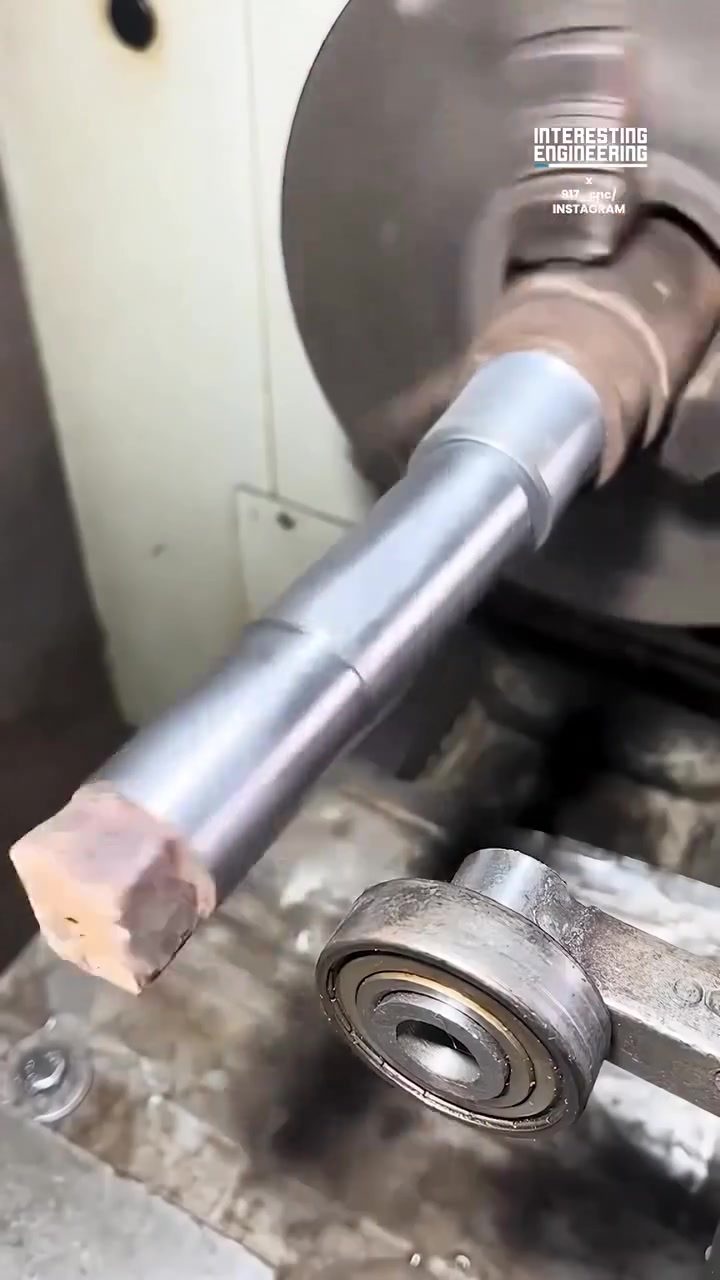
CNC Machining: Precisely Carving Metal with Computers
CNC (Computer Numerical Control) machining is a manufacturing process that allows for precise, automated shaping of metal parts. By cutting material along programmed paths, CNC machines can create intricate designs and complex shapes with high accuracy.
Why This Matters
CNC machining is pivotal in various industries, including aerospace, automotive, and medical device manufacturing. Its ability to produce intricate, precise parts consistently and efficiently makes it indispensable in modern production. Understanding the basics and nuances of CNC machining can provide insights into the manufacturing processes behind many everyday and specialized products.
CNC Machining Basics
What is CNC Machining?
CNC machining is a subtractive manufacturing process where material is systematically removed from a workpiece using cutting tools. This process is controlled by a computer program that directs the movements of the cutting tools along predefined paths, ensuring precise and repeatable results. The primary goal is to transform raw material into a finished part with the desired dimensions, shape, and surface finish.
CNC machining can be used to create parts with complex geometries that are difficult to achieve with traditional manual machining methods. It is particularly useful for producing prototypes, small batch production runs, and intricate designs.
Key Components of CNC Machines
CNC machines consist of several key components that work together to achieve precise material removal:
- Controller: The brain of the machine, responsible for interpreting the program instructions and directing the movement of the cutting tools.
- Spindle: The rotary part that holds the cutting tool. It can rotate at high speeds to facilitate material removal.
- Table or Work Holding Devices: These hold the workpiece securely in place during the machining process. They can be moved in multiple axes to position the workpiece accurately.
- Cutting Tools: Various tools, such as drills, mills, and lathes, are used to shape the material. The type of tool depends on the specific machining operation being performed.
The CNC Machining Process
Programming and Setup
The process begins with creating a CAD (Computer-Aided Design) model of the part to be manufactured. This model is then converted into a CNC program using CAM (Computer-Aided Manufacturing) software. The program contains the precise instructions for the machine, including the tool paths, cutting speeds, and feed rates.
Material Selection
The choice of material is crucial as it affects the machining process and the final product's properties. Common materials used in CNC machining include aluminum, stainless steel, brass, and plastics. Each material has its machining characteristics, such as hardness, thermal conductivity, and machinability, which influence the cutting parameters and tool selection.
Machining Operations
Several types of machining operations can be performed on a CNC machine, including:
- Milling: A rotating cutting tool removes material from the workpiece as it moves along programmed paths. Milling can create various shapes, including slots, pockets, and contours.
- Turning: A cylindrical workpiece is rotated while a cutting tool moves along its surface to create precise shapes. Turning is commonly used for creating cylindrical parts, such as shafts and rods.
- Drilling: A rotating drill bit removes material to create holes in the workpiece. Drilling is often used to create precise holes for fastening or other purposes.
- Tapping: A tapping tool creates threads inside a pre-drilled hole, allowing for the insertion of screws or bolts.
- Boring: A single-point cutting tool enlarges a pre-drilled hole to precise dimensions.
The choice of machining operation depends on the desired shape and the specific requirements of the finished part.
Post-Processing
After the machining process, the part may undergo additional finishing operations, such as polishing, coating, or assembly, to achieve the final desired properties and appearance. These post-processing steps are crucial for ensuring the part meets the required specifications and quality standards.
Important Considerations
Tool Wear and Maintenance
The longevity and accuracy of CNC machining depend on the condition of the cutting tools. Regular maintenance and inspection of the tools are essential to prevent downtime and ensure consistent performance. Tool wear can be minimized by following proper cutting parameters, using high-quality tools, and regularly replacing worn-out tools.
Safety
CNC machining involves high-speed rotating tools and sharp cutting edges. Safety is paramount to prevent accidents and injuries. Operators should always follow safety protocols, wear appropriate personal protective equipment (PPE), and be trained in operating the machine and handling emergencies.
Practical Tips
Optimizing CNC Programs
Efficient CNC programs can significantly reduce machining time and tool wear. Consider the following tips for optimizing CNC programs:
- Use Efficient Tool Paths: Design tool paths that minimize travel distance and reduce the number of tool changes.
- Optimize Cutting Parameters: Select appropriate cutting speeds, feed rates, and depths of cut to balance material removal rate and tool life.
- Employ High-Quality Tooling: Invest in high-quality cutting tools that are suitable for the specific material and machining operation.
Choosing the Right Material
Selecting the right material is crucial for achieving the desired performance and durability of the finished part. Consider the following factors when choosing a material:
- Mechanical Properties: Ensure the material has the necessary strength, hardness, and toughness for the intended application.
- Machinability: Choose a material that is easy to machine to reduce production time and tool wear.
- Cost: Evaluate the cost of the material and its impact on the overall production cost.
Important Takeaways
To ensure successful CNC machining, consider the following key points:
- Precision and Accuracy: CNC machining is renowned for its high precision and repeatability. Proper programming, material selection, and tooling are critical to achieving accurate results.
- Versatility: CNC machining can be used to produce a wide variety of parts with complex geometries, making it suitable for various industries and applications.
- Efficiency: Optimizing CNC programs and processes can significantly reduce production time and costs, enhancing overall efficiency.
Conclusion
CNC machining is a versatile and precise manufacturing process that plays a crucial role in modern production. By understanding the basics of CNC machining and implementing best practices, manufacturers can create high-quality parts efficiently. Whether you're a hobbyist or a professional in the manufacturing industry, gaining insights into CNC machining can enhance your capabilities and open up new possibilities for innovative design and production.
Watch the Reel
Related deep dives
Similar reads based on topic and creator.


Recent articles
Fresh deep dives from the latest Reels we unpacked.




Comments
Be the first to comment.