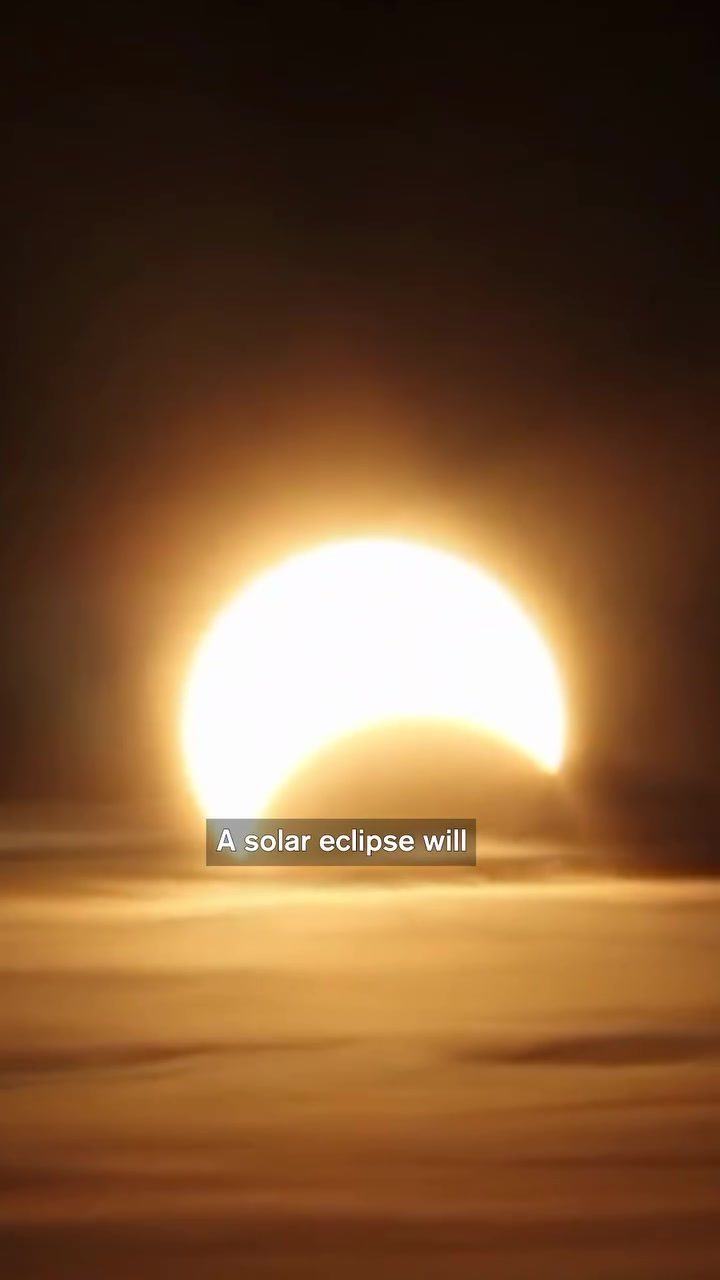
Solar Eclipse
On August 12th, a total solar eclipse will traverse the globe. This celestial event will be visible as a partial eclipse to observers in the northeastern United States (New York, Massachusetts, Pennsylvania, and Ohio), Canada, most of Europe, and northwestern Africa. Those in the Nordic region, Spain, and parts of Portugal will experience the totality of the eclipse. This event is a must-watch for astronomy enthusiasts, but safety is paramount. Use certified eclipse glasses or a simple pinhole projector to view the eclipse. Another fascinating fact is that eclipses travel in pairs—meaning a lunar eclipse will follow just two weeks later.
Context / Why This Matters
A solar eclipse occurs when the moon passes between the sun and the Earth, casting a shadow on the Earth's surface. This alignment is relatively rare, making it a significant event for skywatchers and astronomers alike. The upcoming eclipse on August 12th is particularly notable because it will be visible across multiple continents, providing a unique opportunity for a broad audience to witness this natural phenomenon.
Main Discussion
Where to View the Eclipse
The path of totality, where the sun will be completely blocked by the moon, will pass through the Nordic region, Spain, and parts of Portugal. This means that observers in these areas will experience a brief period of darkness during the daytime, offering a unique spectacle. For those in the northeastern United States, Canada, most of Europe, and northwestern Africa, the eclipse will be visible as a partial eclipse, where only a portion of the sun will be obscured by the moon.
Safety Precautions
Viewing a solar eclipse safely is crucial to prevent eye damage. Directly looking at the sun, even during an eclipse, can cause permanent harm to your eyes. Always use eclipse glasses with ISO 12312-2 certification, which are designed to filter out harmful solar radiation. If you don't have eclipse glasses, you can create a simple pinhole projector. This helps observe the eclipse indirectly by projecting the sun's image onto a surface. You can even use everyday items like a colander, a leafy tree, or your own fingers to cast shadows and view the eclipse safely.
The Science Behind Eclipses
Eclipses offer a unique opportunity to study the sun's corona, the outer layer of the sun's atmosphere. During a total eclipse, the corona becomes visible, allowing scientists to observe its structure and dynamics. Additionally, the sudden drop in sunlight can cause noticeable changes in temperature and animal behavior, making it a fascinating event for ecological studies.
Eclipses also provide a chance to study the moon's movement and its orbit around the Earth. The precise alignment required for an eclipse allows astronomers to refine their models of the moon's orbit and predict future eclipses with high accuracy.
Understanding the Eclipse's Timing
The timing of the eclipse varies depending on your location. In the northeastern United States, the partial eclipse will be visible around midday. To find the exact time of the eclipse in your location, look up local time online. This information will help you plan your viewing experience and ensure you don't miss this remarkable event.
The Pairing of Eclipses
Eclipses often occur in pairs, with a lunar eclipse following a solar eclipse about two weeks later. This is because the alignment of the sun, moon, and Earth that causes a solar eclipse also sets the stage for a lunar eclipse. During a lunar eclipse, the Earth passes between the sun and the moon, casting a shadow on the moon's surface. This pairing adds a layer of excitement for eclipse enthusiasts, as it provides two unique astronomical events to observe within a short period.
Practical Tips
Preparing for the Eclipse
Preparation is key to enjoying the solar eclipse safely and fully. Here are some practical tips to help you get ready:
- Plan Ahead: Research the exact time and duration of the eclipse in your area. This will help you plan your day and ensure you don't miss the event.
- Gather Equipment: Make sure you have certified eclipse glasses or the materials to create a pinhole projector. If you plan to use a camera to capture the eclipse, practice using it beforehand to avoid technical difficulties.
- Find a Good Viewing Spot: Choose a location with an unobstructed view of the sun. Open fields, parks, or rooftops are ideal for stargazing and eclipse viewing.
- Stay Informed: Keep an eye on local weather forecasts and be prepared to adjust your plans if necessary. Clear skies are essential for a good viewing experience.
Creating a Pinhole Projector
If you don't have eclipse glasses, a pinhole projector is a simple and effective alternative. Here’s how to make one:
- Materials: Gather a cardboard box, aluminum foil, a pin or needle, and a piece of white paper.
- Cut a Small Hole: Cut a small square or rectangle on one end of the cardboard box.
- Cover the Hole: Cover the hole with aluminum foil and use a pin or needle to poke a small hole in the center.
- Create a Screen: Tape a piece of white paper on the inside of the box, opposite the foil-covered hole.
- View the Eclipse: Stand with your back to the sun and hold the box so that the sunlight passes through the pinhole and projects an image of the sun onto the white paper inside the box. Adjust the box to focus the image for a clearer view.
Important Takeaways
The Significance of Eclipse Viewing
Watching a solar eclipse is more than just a visual spectacle; it's an opportunity to connect with the cosmos and appreciate the intricate dance of celestial bodies. Whether you’re a seasoned astronomer or a curious observer, the eclipse offers a unique chance to witness one of nature's most awe-inspiring events.
Safety First
Remember, safety is paramount when viewing a solar eclipse. Never look directly at the sun without proper eye protection. Use certified eclipse glasses or create a pinhole projector to enjoy the eclipse safely.
Embrace the Experience
The solar eclipse is a rare event that brings people together. Whether you’re watching with friends, family, or alone, take a moment to appreciate the grandeur of the cosmos and the beauty of this natural phenomenon. The experience of witnessing an eclipse can be profound and memorable, so make the most of it.
Conclusion
The upcoming solar eclipse on August 12th promises to be a breathtaking event for skywatchers around the globe. From the northeastern United States to Spain and beyond, the eclipse will offer a unique opportunity to witness one of nature's most stunning displays. Whether you’re viewing the eclipse through certified glasses or a homemade pinhole projector, safety should be your top priority. Embrace the moment and enjoy the experience, knowing that eclipses are a reminder of the wonders of our universe.
Watch the Reel
Questions readers ask
When and where can I see the upcoming solar eclipse?
The upcoming solar eclipse will occur on August 12th. It will be visible as a partial eclipse in the northeastern United States, Canada, most of Europe, and northwestern Africa. For those eager to experience the total eclipse, the best locations are in the Nordic region, Spain, and parts of Portugal.
How can I watch the solar eclipse safely?
To watch the solar eclipse safely, use certified eclipse glasses that meet international safety standards, or create a simple pinhole projector. Regular sunglasses are not sufficient for safe viewing. Always ensure your eyes are protected from the sun's harmful rays during the eclipse.
What is the timeline for the solar eclipse on August 12th?
The exact timing of the solar eclipse will vary depending on your location. For detailed information, consult a reliable astronomy website or app that provides specific timings for your area. Generally, the eclipse will begin around 1:30 PM local time, with the peak of the eclipse occurring between 2:30 and 3:30 PM, depending on your location.
What are the best places to see the solar eclipse in Europe?
The best places to see the total solar eclipse in Europe are in the Nordic region, Spain, and parts of Portugal. In Spain, popular viewing spots include Madrid and Valencia, while in Portugal, Lisbon and Porto are excellent choices. Always check local weather conditions for optimal viewing.
Can I watch the solar eclipse with my kids?
Yes, you can watch the solar eclipse with your kids, but it's crucial to prioritize safety. Ensure each child has a pair of certified eclipse glasses that fit properly. Alternatively, you can make a pinhole projector to view the eclipse indirectly. This can be a exciting way to introduce children to the wonders of astronomy.
What should I do if I don't have eclipse glasses?
If you don't have eclipse glasses, you can make a simple pinhole projector using household materials. Poke a small hole in a piece of cardboard or paper and hold it up to the sun, allowing the light to project onto a flat surface. This method allows you to view the eclipse safely without looking directly at the sun.
What is the significance of the solar eclipse in 2024?
The solar eclipse in 2024 is a significant celestial event because it is a total eclipse visible from various parts of the world. Additionally, it occurs in pairs, meaning a lunar eclipse will follow approximately two weeks later. This makes it a notable astronomical occurrence for both professionals and enthusiasts alike.
Related deep dives
Similar reads based on topic and creator.



Recent articles
Fresh deep dives from the latest Reels we unpacked.




Comments
Be the first to comment.