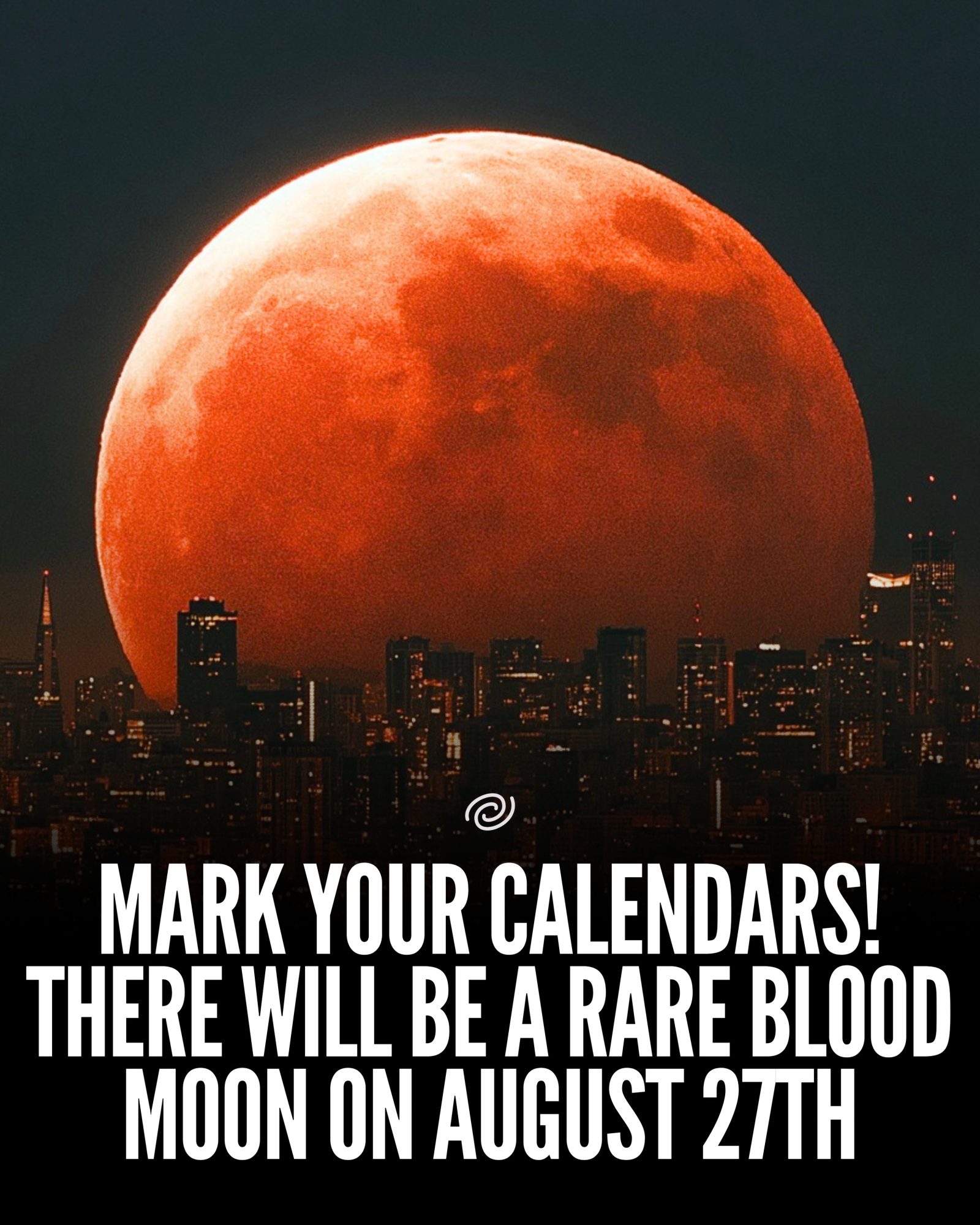
A Rare Blood Moon is Coming on August 27th
Mark your calendars for the celestial event of the year. On August 27th, a rare blood moon is expected to take place, offering a spectacular sight for stargazers and astronomy enthusiasts alike.
Why This Matters
Watching a blood moon is not just a visual treat; it's a rare astronomical phenomenon that holds both scientific and cultural significance. The moon will pass through Earth's shadow, taking on a reddish hue that has captivated humans for centuries. This event provides an opportunity to appreciate the beauty of our solar system and understand the intricate dance of celestial bodies.
What is a Blood Moon?
A blood moon occurs during a total lunar eclipse, when the Earth comes between the sun and the moon. The moon does not disappear from view but instead takes on a reddish-orange glow. This happens because the Earth's atmosphere scatters the sunlight, allowing only the longer wavelengths of light (red and orange) to reach the moon.
An eclipse occurs when the moon passes directly into the shadow of the Earth. This alignment is a precise moment in the celestial calendar, making blood moons relatively rare. The reddish color results from light scattered by Earth's atmosphere, creating a breathtaking phenomenon that has inspired myths and legends across cultures.
The Significance of August 27th
The upcoming blood moon on August 27th is particularly special. Blood moons typically occur about twice a year, but the timing and visibility of each event vary. The August 27th event will be visible from many parts of the world, making it an accessible experience for a wide audience.
For sky watchers in the Northern Hemisphere, the event will be a night to remember. It’s a perfect opportunity to gather with friends and family, set up telescopes, or even just step outside to witness the spectacle. Urban and rural dwellers alike can enjoy this natural wonder, as long as the sky is clear.
What to Expect During the Eclipse
The eclipse will progress through several phases, each offering a unique view. The partial eclipse begins when the moon first enters the Earth's shadow. As the moon moves deeper into the shadow, it will take on a more pronounced reddish hue.
Practical Tips
To fully enjoy the blood moon, follow these tips:
Find a Clear View: Choose a location with an unobstructed view of the sky. High elevations, like mountains or tall buildings, can also provide a clearer view. Avoid areas with significant light pollution, such as cities.
Timing Is Key: The total eclipse phase, when the moon is fully red, will last for a few hours. Check a detailed eclipse map to determine the precise start and end times for your location.
Gather the Right Equipment: A telescope or pair of binoculars can enhance the viewing experience, but the naked eye is often sufficient. Consider bringing a tripod for stability during long-exposure photography.
Prepare for Comfort: If you plan to stay out for the entire event, bring a chair, blankets, and snacks. Dress appropriately for the weather, as you may be outside for several hours.
Photography Tips: For those interested in capturing the moment, a camera with manual settings is ideal. Use a sturdy tripod and a long-exposure setting to capture the moon's details. Experiment with different ISO settings and aperture sizes for the best results.
Important Takeaways
A blood moon is a rare and awe-inspiring astronomical event that offers more than just a visual spectacle. It's a reminder of the intricate mechanics of our solar system and a chance to appreciate the natural world. Marking your calendar for August 27th is more than just setting a date; it's an invitation to pause, look up, and marvel at the wonders of the universe.
Conclusion
Witnessing a blood moon is an unforgettable experience. On August 27th, take the time to step outside and observe this remarkable event. By understanding the science behind it and preparing with the right equipment and tools, you'll be able to fully appreciate the beauty of this celestial phenomenon. Whether you’re an avid stargazer or a casual observer, the sight of a blood moon is one you won’t want to miss.
Watch the Reel
Questions readers ask
What time will the blood moon be visible on August 27th?
The exact timings can vary depending on your location, but the total lunar eclipse will begin at around 3:09 AM. The peak of the eclipse, when the moon appears reddest, will be around 4:31 AM, and the eclipse will end at approximately 5:53 AM.
Why does the moon appear red during a blood moon?
During a total lunar eclipse, the Earth comes between the sun and the moon, casting a shadow on the moon. The red hue is a result of the Earth's atmosphere scattering the sun's light, with red light waves being the longest and able to reach the moon's surface, giving it a reddish glow.
What is the best way to view the blood moon on August 27th?
To view the blood moon, find an area with minimal light pollution and an unobstructed view of the sky. You do not need any special equipment, as the event is visible to the naked eye. Binoculars or a telescope can enhance the viewing experience, however.
How rare is the blood moon phenomenon?
Blood moons are relatively rare and occur about once every 2.5 years. However, their visibility can vary, so it is especially exciting that this event is occurring on August 27th.
What places will have the best view of the blood moon on August 27th?
The blood moon will be visible from many parts of the world, including Europe, Africa, and parts of Asia. The best places to view it will be those with clear skies and minimal light pollution.
Can the blood moon be photographed with a smartphone?
Photographing a blood moon with a smartphone is possible, but it might be challenging to capture the details due to the limited optical zoom and sensor size. For better results, use a tripod, and if possible, switch to the night mode or use a telephoto lens attachment.
What should I expect to see during the blood moon event?
During the blood moon, you should see the moon gradually darken as it enters Earth's shadow, then turn a reddish hue as the total eclipse occurs. The sky will also darken, making the stars and other celestial bodies more visible, offering a dramatic and captivating sight.
Related deep dives
Similar reads based on topic and creator.




Recent articles
Fresh deep dives from the latest Reels we unpacked.




Comments
Be the first to comment.