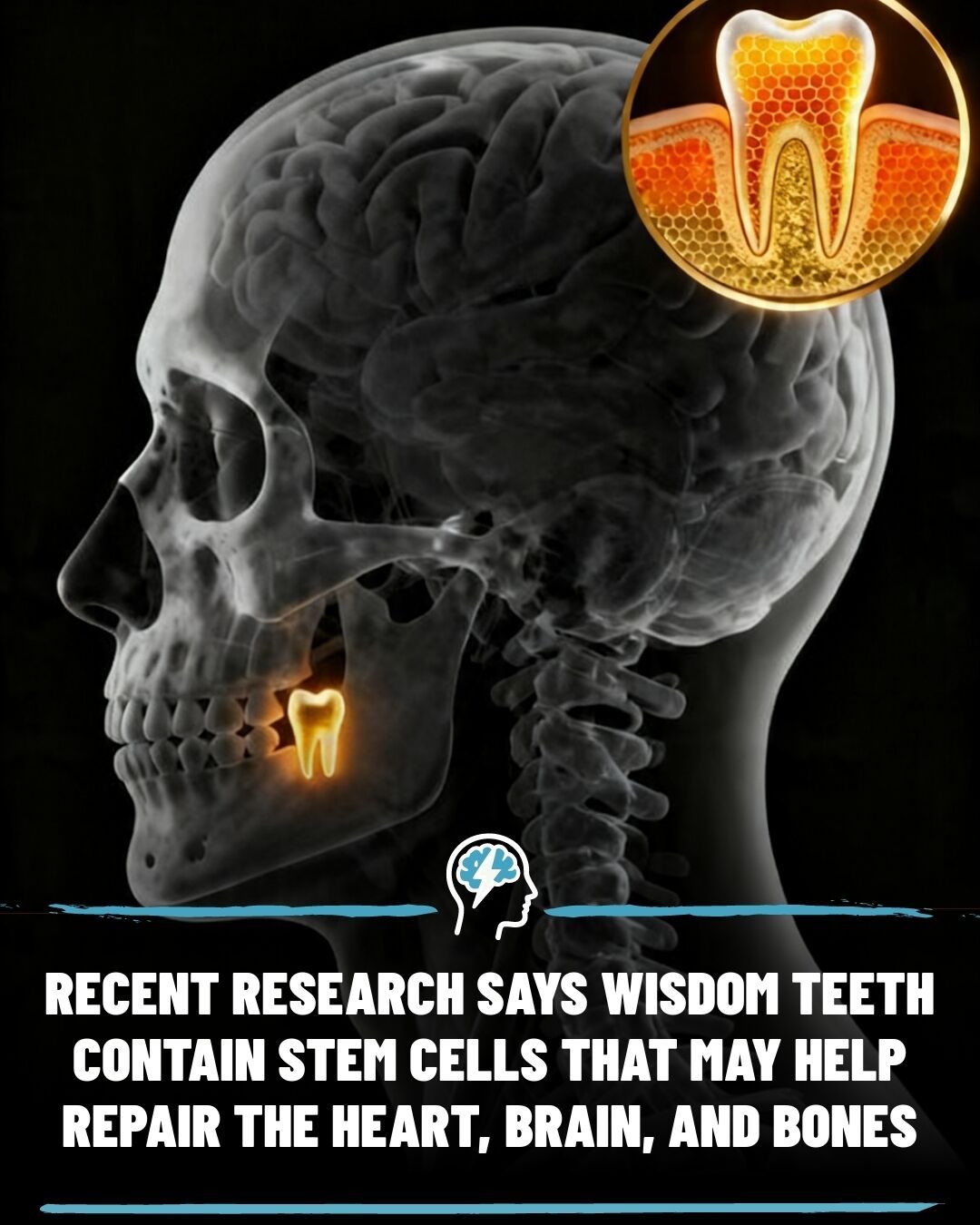
Wisdom Teeth and Stem Cell Research
While wisdom teeth are commonly known for their potential to cause dental issues, recent studies have uncovered an intriguing possibility: these often-extracted teeth may contain valuable stem cells. This discovery has captured the interest of the scientific community, as these stem cells, known as dental pulp stem cells (DPSCs), show promise in various regenerative applications. Understanding the potential of these stem cells is crucial for exploring their role in future medical advancements, particularly in the fields of neurology and cardiology.
Why This Matters
The significance of this research lies in the accessibility and versatility of DPSCs. Unlike stem cells derived from bone marrow, which require invasive procedures to extract, DPSCs can be easily obtained from wisdom teeth that would otherwise be discarded. Additionally, they carry fewer ethical concerns compared to embryonic stem cells. This makes DPSCs a promising and practical resource for medical research and potential treatments.
Main Discussion
The Science Behind Dental Pulp Stem Cells
DPSCs are a type of mesenchymal stem cell found in the dental pulp of teeth, including wisdom teeth. These cells have the unique ability to differentiate into various types of body tissue, making them a valuable resource for regenerative medicine.
Key Areas of Research
Neurological Benefits
Pre-clinical research has shown that DPSCs may offer significant benefits in the realm of neurological disorders. In rodent models, these cells have demonstrated the ability to ease motor symptoms associated with Parkinson's disease. This is achieved by replacing lost dopamine-producing neurons. Furthermore, DPSCs secrete growth factors that could protect synapses and slow the buildup of amyloid plaques, which are characteristic of Alzheimer's disease. These findings suggest that DPSCs could play a crucial role in the development of therapies for neurodegenerative conditions.
Bone and Jaw Reconstruction
DPSCs have also shown potential in the field of skeletal and dental reconstruction. Studies indicate that these cells can build mineralized tissue faster than bone marrow cells, making them particularly promising for jaw reconstruction after surgery. This could revolutionize dental and orthopedic procedures, providing faster and more effective healing.
Cardiac Applications
In the field of cardiology, DPSCs have been explored for their potential to repair damaged heart tissue. Cardiac researchers have observed improved heart function in mice with heart failure after testing dental pulp secretions. This hints at future possibilities for tissue repair and regeneration in the heart, offering hope for patients with cardiovascular diseases.
Current Limitations and Ethical Considerations
While the potential of DPSCs is promising, it is essential to note that the research is still in its experimental and early clinical stages. Regulators require long-term safety data before these applications can become widely available treatments. Additionally, results can vary significantly by individual, and this should never replace current medical care.
Practical Tips
If you are considering wisdom teeth extraction, it may be worth discussing the potential for stem cell preservation with your dentist. While the research is still developing, keeping your options open could be beneficial if future treatments become available. Additionally, staying informed about the latest research in stem cell therapy can help you make more informed decisions about your dental and overall health.
Important Takeaways
The discovery of stem cells in wisdom teeth opens up exciting possibilities for regenerative medicine. DPSCs offer a versatile and ethically sound resource for medical research, with potential applications in neurology, cardiology, and skeletal reconstruction. However, it is crucial to understand that while the science is promising, we are still in the early stages of development. Patients should continue to rely on established medical treatments and consult with healthcare providers for personalized advice.
Conclusion
The potential of dental pulp stem cells in wisdom teeth is a fascinating area of research with wide-ranging implications for medical science. By harnessing the power of these cells, researchers may unlock new treatments for conditions ranging from neurodegenerative diseases to cardiovascular issues. Although the journey from discovery to clinical application is long and complex, the progress made so far is encouraging. As the field continues to evolve, staying informed about these advancements can help you make better decisions about your health and future medical care.
Watch the Reel
Questions readers ask
What types of stem cells are found in wisdom teeth and what are their potential uses?
Wisdom teeth contain dental pulp stem cells (DPSCs), which are found in the soft tissue inside the tooth. These stem cells have shown potential in regenerating various tissues, particularly in neurology for brain tissue repair and in cardiology for heart tissue regeneration.
Why are dental pulp stem cells (DPSCs) considered an appealing source for stem cell research?
DPSCs are appealing because they are easy to obtain from wisdom teeth, often removed for dental issues. They offer an ethically sound source that avoids the controversies surrounding other stem cell sources. Additionally, their accessibility makes them a promising option for regenerative medicine.
How do DPSCs compare to stem cells derived from bone marrow?
DPSCs are easier to obtain than bone marrow stem cells, which require invasive procedures to extract. Wisdom teeth are often removed for dental reasons, making DPSCs an accessible and less invasive option for stem cell research and potential treatments.
What are the most recent advancements in stem cell research using wisdom teeth?
Recent advancements involve using DPSCs for tissue regeneration in various areas, including neurology and cardiology. These stem cells have shown potential in repairing brain tissue and regenerating heart tissue, highlighting their versatility and promise in medical treatments.
Can stem cells from wisdom teeth be used for bone tissue regeneration?
Yes, DPSCs have demonstrated potential in regenerating bone tissue. This capability makes them a valuable resource for orthopedic applications and dental procedures, further expanding their usefulness in regenerative medicine.
What ethical considerations are there when using DPSCs for research and treatment?
Using DPSCs is ethically favorable because they are derived from wisdom teeth, which are often removed for dental health reasons. This makes them a readily available and ethically sound source, avoiding the debates surrounding the use of embryonic stem cells.
Why are DPSCs particularly important for advancements in neurology and cardiology?
DPSCs hold promise in neurology and cardiology due to their ability to differentiate into various cell types. This makes them useful for repairing damaged brain tissue and regenerating heart tissue, opening new avenues for treating neurological and cardiovascular conditions.
Related deep dives
Similar reads based on topic and creator.



Recent articles
Fresh deep dives from the latest Reels we unpacked.




Comments
Be the first to comment.