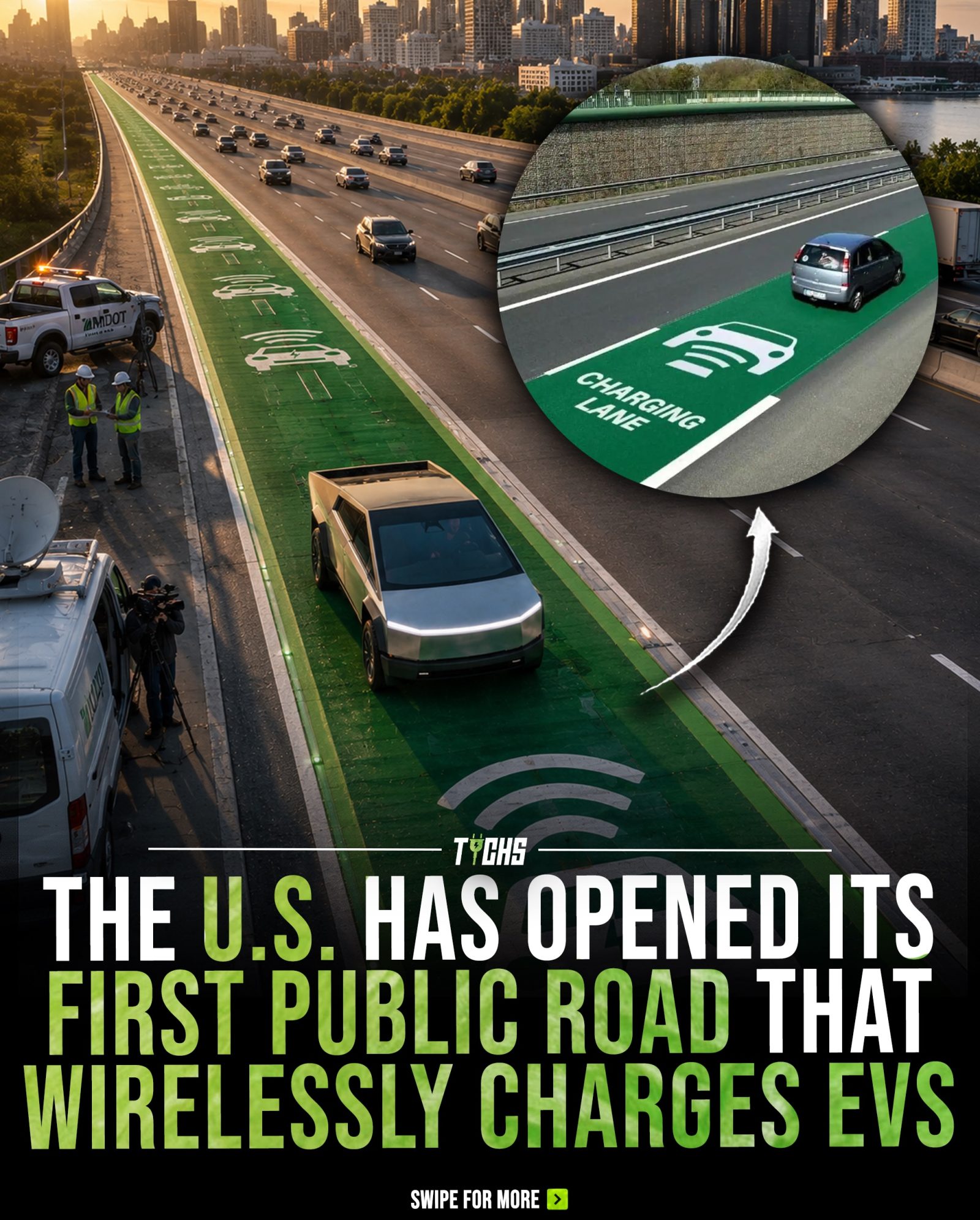
Wireless EV Charging Roads: The Future of Electric Vehicle Power
Detroit has launched a groundbreaking pilot project: the first public road in the U.S. capable of wirelessly charging electric vehicles (EVs) as they drive. This innovative technology embeds charging coils beneath the pavement, allowing compatible EVs to recharge without ever needing to plug in. The project is a significant step towards integrating charging infrastructure directly into the roads, potentially extending driving range and reducing the need for frequent charging stops.
Why This Matters
The shift towards electric vehicles is accelerating, driven by environmental concerns and advances in battery technology. However, one of the biggest challenges facing EV adoption is range anxiety—the fear of running out of power before reaching a charging station. Wireless charging roads address this issue by providing a continuous power supply, making long-distance travel more feasible for electric vehicle owners.
Understanding Wireless EV Charging Roads
How It Works
The wireless EV charging road in Detroit uses a system of embedded coils that transfer electricity to a receiver installed in the vehicle. As the EV drives over these coils, it continuously receives power, effectively eliminating the need for traditional charging stops. This technology is similar to wireless phone charging, but on a much larger and more complex scale.
Current Limitations
For now, only vehicles equipped with a compatible wireless charging receiver can use the system. This means that not all EVs are currently compatible with this technology. However, as the technology becomes more widespread, it is expected that more manufacturers will integrate wireless charging receivers into their vehicles.
The Technology Behind It
The charging coils embedded in the road generate an electromagnetic field. When a vehicle with a compatible receiver passes over these coils, the receiver converts the electromagnetic energy back into electrical energy, which is then used to charge the vehicle's battery. This process is highly efficient, ensuring that a significant portion of the transferred energy is used to power the vehicle.
The Benefits of Wireless EV Charging Roads
Extended Driving Range
One of the most significant advantages of wireless EV charging roads is the potential to extend the driving range of electric vehicles. By continuously charging the vehicle while in motion, drivers can travel longer distances without worrying about running out of power.
Reduced Need for Charging Stops
With wireless charging roads, the need for frequent charging stops is significantly reduced. This not only saves time but also makes long-distance travel more convenient and stress-free for EV owners.
Environmental Impact
Wireless EV charging roads can contribute to a cleaner environment by reducing the reliance on fossil fuels. As more vehicles transition to electric power, the reduced need for traditional charging infrastructure can also lead to less energy consumption and lower emissions.
Infrastructure Integration
Integrating charging infrastructure directly into the roads can make electric vehicle charging more seamless and convenient. It eliminates the need for separate charging stations, freeing up urban space and potentially reducing costs associated with building and maintaining traditional charging infrastructure.
Practical Tips for Using Wireless EV Charging Roads
Ensuring Compatibility
To take advantage of this technology, ensure that your electric vehicle is equipped with a compatible wireless charging receiver. If you are considering purchasing a new EV, look for models that support this feature.
Knowing the Routes
Be aware of the locations of wireless charging roads in your area. While the technology is still in its early stages, knowing where these roads are can help you plan your trips more efficiently.
Understanding the Limitations
Remember that, currently, only vehicles with compatible receivers can use the system. If you’re driving a vehicle that doesn’t support wireless charging, you’ll still need to rely on traditional charging methods.
Important Takeaways
The introduction of wireless EV charging roads in Detroit marks a significant advancement in electric vehicle technology. This innovation has the potential to address range anxiety, reduce the need for frequent charging stops, and contribute to a cleaner environment. While the technology is still in its early stages and currently limited to compatible vehicles, it offers a glimpse into a future where electric cars could recharge continuously while in motion. As the technology becomes more widespread, it is expected to play a crucial role in accelerating the adoption of electric vehicles.
Conclusion
Wireless EV charging roads represent a significant step forward in the evolution of electric vehicle infrastructure. By embedding charging coils directly into the roads, this technology offers a convenient and efficient way to power electric vehicles, addressing some of the current challenges facing EV adoption. As more vehicles become compatible with this technology and more charging roads are built, the future of electric transportation looks increasingly promising.
Watch the Reel
Questions readers ask
How does the wireless EV charging road in Detroit work?
The wireless EV charging road in Detroit uses embedded charging coils beneath the pavement. These coils generate an electromagnetic field that transfers power to a compatible receiver installed on the vehicle, allowing the EV to charge as it drives over the surface. This technology enables continuous power delivery, potentially eliminating the need for frequent stops at charging stations.
What are the benefits of wireless charging for EVs?
Wireless charging for EVs offers several benefits, including reduced range anxiety, making long-distance travel more convenient. By integrating charging into the road infrastructure, drivers can maintain their vehicle's charge without needing to plug in, which can save time and enhance the overall driving experience. Additionally, this technology can help increase the adoption of EVs by addressing the convenience and accessibility issues.
Why is the Detroit wireless charging road a significant development for EV charging technology?
The Detroit wireless charging road is significant because it is the first public road in the U.S. to offer wireless charging for EVs. This pilot project demonstrates the feasibility of integrating charging infrastructure directly into roads, paving the way for future developments. By allowing EVs to charge while in motion, this technology could revolutionize the way we think about electric vehicle charging, making it more seamless and integrated into daily driving routines.
What kind of vehicles can use the Detroit wireless charging road?
Currently, only vehicles equipped with compatible receivers can utilize the wireless charging road in Detroit. These receivers are designed to capture the electromagnetic field generated by the charging coils embedded in the pavement. As this technology evolves, it is expected that more vehicles will be manufactured with built-in receivers or retrofit kits will become available to accommodate this charging method.
Are there any limitations to the wireless charging road in Detroit?
One of the primary limitations of the Detroit wireless charging road is the need for vehicles to have compatible receivers. Additionally, the technology is still in its early stages, so the efficiency and reliability of wireless charging while driving may not yet match traditional plug-in charging methods. Ongoing advancements and broader vehicle compatibility are necessary to fully realize the potential of this innovative charging solution.
How does wireless charging while driving reduce range anxiety for EV owners?
Wireless charging while driving can significantly reduce range anxiety by providing continuous power to the vehicle as it moves. This means drivers won't have to worry about finding a charging station or running out of battery during long trips. By maintaining a consistent charge level, EVs can travel longer distances with fewer interruptions, making them more practical for daily use and long-distance travel.
Related deep dives
Similar reads based on topic and creator.



Recent articles
Fresh deep dives from the latest Reels we unpacked.




Comments
Be the first to comment.