Wireless Earbuds and Radiation: What You Need to Know
Wireless earbuds are a staple in modern life, offering a convenient way to listen to music, make calls, and consume media. However, there have been concerns about the potential health impacts, particularly regarding radiation.
Context
Wireless earbuds emit radiofrequency (RF) energy to connect with your smartphone. This energy is a form of non-ionizing radiation, similar to what is emitted by microwaves, cell phones, and Wi-Fi routers. The primary concern is whether this radiation poses any health risks to users.
Understanding the Radiation Emitted by Wireless Earbuds
The Science Behind Radiofrequency Energy
Wireless earbuds use Bluetooth technology to communicate with your smartphone. This communication involves the transmission of radiofrequency (RF) waves. RF energy is a type of electromagnetic radiation with frequencies ranging from 3 kHz to 300 GHz. Bluetooth devices operate within the 2.4 GHz range.
Comparing Wireless Earbuds to Wired Headphones
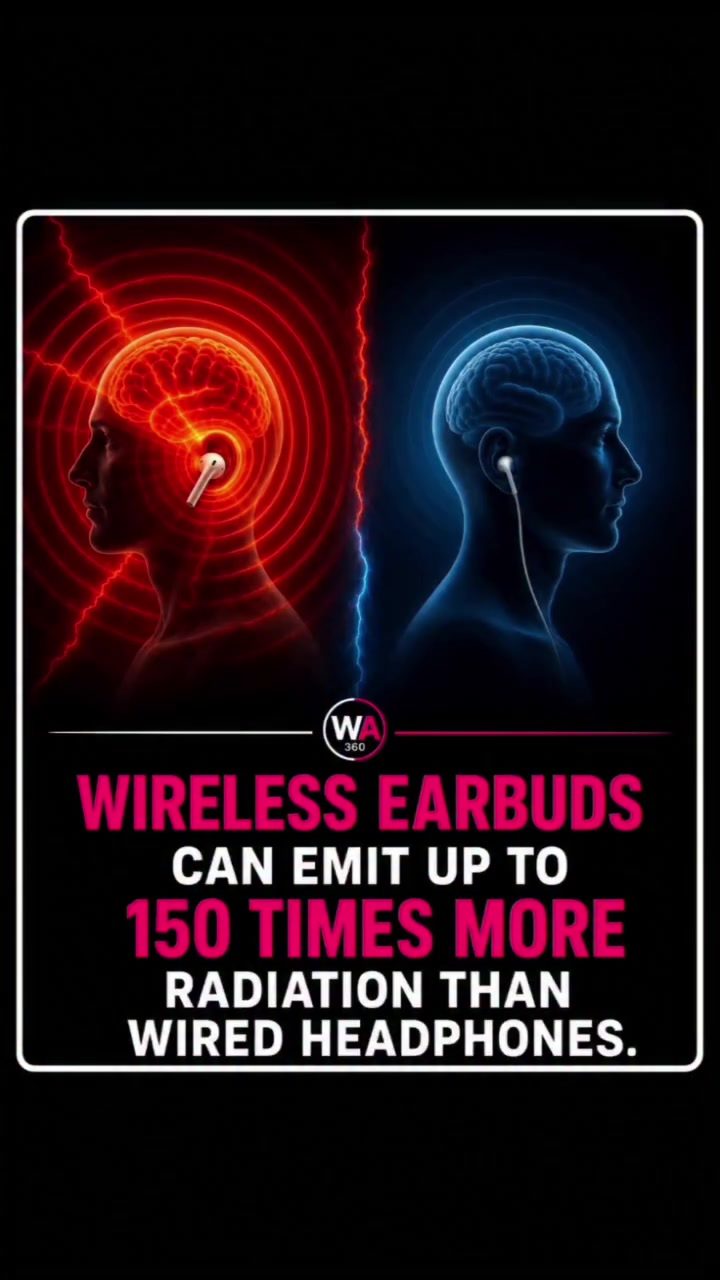
The reel shows a graphic comparing the radiation emitted by wireless earbuds and wired headphones. The claim is that wireless earbuds can emit up to 150 times more radiation than wired headphones. However, it's important to clarify that this comparison is not straightforward.
Wired headphones do not emit RF energy, but they can still be exposed to electromagnetic fields, depending on the device they are connected to. The wires in wired headphones can act as antennas, picking up electromagnetic interference. However, this interference is generally at a much lower level than the RF waves emitted by wireless earbuds.
Regulatory Guidelines
Current scientific consensus and regulatory bodies, such as the Federal Communications Commission (FCC) and the International Commission on Non-Ionizing Radiation Protection (ICNIRP), have established safety guidelines for RF exposure.
These guidelines specify the maximum permitted levels of RF energy that can be absorbed by the human body. Wireless earbuds are designed to operate well within these limits. Even though wireless earbuds emit RF energy, the levels are generally low. The energy is also absorbed over a small area when they are placed in the ear.
Practical Tips for Safe Usage
While the current scientific consensus shows that wireless earbuds do not pose a health risk when used as intended, it is always a good practice to be mindful of your usage habits.
Minding Your Volume Levels
Excessive volume levels can lead to hearing loss. While this is not directly related to radiation, it is an important aspect of protecting your hearing. It’s recommended to keep the volume at a reasonable level, ideally below 85 decibels.
Regular Listening Breaks
Taking regular breaks from using wireless earbuds can help prevent ear fatigue and potential hearing damage. This is especially important if you use them for extended periods, such as during work or while commuting.
Important Takeaways
Radiation and Health Risks
The current scientific consensus indicates that the RF energy emitted by wireless earbuds does not pose a significant health risk when used within established safety guidelines. Scientific studies have shown that the levels of radiation emitted by these devices are well within safe limits.
However, it is important to differentiate between radiation and electromagnetic fields, as the latter can be affected by external factors such as interference. Wireless earbuds generally emit lower levels of RF energy compared to other wireless devices, and the radiation is absorbed over a small area. This means that the overall exposure to radiation is minimal.
Responsible Usage
Responsible usage of wireless earbuds includes:
- Keeping the volume at a moderate level
- Taking regular breaks from using them
- Being aware of other potential factors that might affect your hearing, such as environmental noise
Conclusion
Wireless earbuds have revolutionized how we consume media and stay connected. While there are concerns about the radiation they emit, current scientific evidence and regulatory guidelines indicate that standard use poses no proven health risks. By following simple guidelines for responsible usage, you can continue to enjoy the benefits of wireless earbuds while minimizing any potential risks.
Watch the Reel
Questions readers ask
Are wireless earbuds safe to use daily?
Yes, wireless earbuds are safe for daily use. Regulatory bodies have established guidelines to ensure that the RF energy emitted by these devices is within safe limits and does not pose a risk to users.
How does the radiation from wireless earbuds compare to other devices?
The radiation from wireless earbuds is similar to that emitted by other common devices like cell phones and Wi-Fi routers. It is a form of non-ionizing radiation, which is generally considered safe at the levels emitted by these devices.
Should I be concerned about radiation from wireless earbuds versus wired headphones?
Wired headphones do not emit RF energy, but wireless earbuds do. However, the levels of radiation from wireless earbuds are well within regulatory limits, making both options safe to use.
What are the guidelines for safe use of wireless earbuds?
Regulatory bodies have set guidelines for safe use, including limits on the specific absorption rate (SAR) of RF energy. Users should follow manufacturer instructions and avoid prolonged, direct contact with the wireless earbuds when in use. All these guidelines ensure minimal radiation exposure.
Can the radiation from wireless earbuds cause health issues?
Current scientific research indicates that the levels of radiation emitted by wireless earbuds are too low to cause any known health issues.
How do wireless earbuds communicate and why is this relevant to radiation concerns?
Wireless earbuds communicate using Bluetooth technology, which involves emitting RF energy. This energy allows the earbuds to connect to your smartphone or other devices. Understanding this process helps to address concerns about radiation exposure, as the levels are well-regulated and monitored.
Are there any additional precautions I should take when using wireless earbuds?
For optimal safety, avoid prolonged use of these devices at high volumes, and ensure that you are using them in accordance with the manufacturer's instructions. This ensures you are within all safety guidelines. Additionally, if you experience any discomfort, discontinue use and consult a healthcare professional.
Related deep dives
Similar reads based on topic and creator.


Recent articles
Fresh deep dives from the latest Reels we unpacked.




Comments
Be the first to comment.