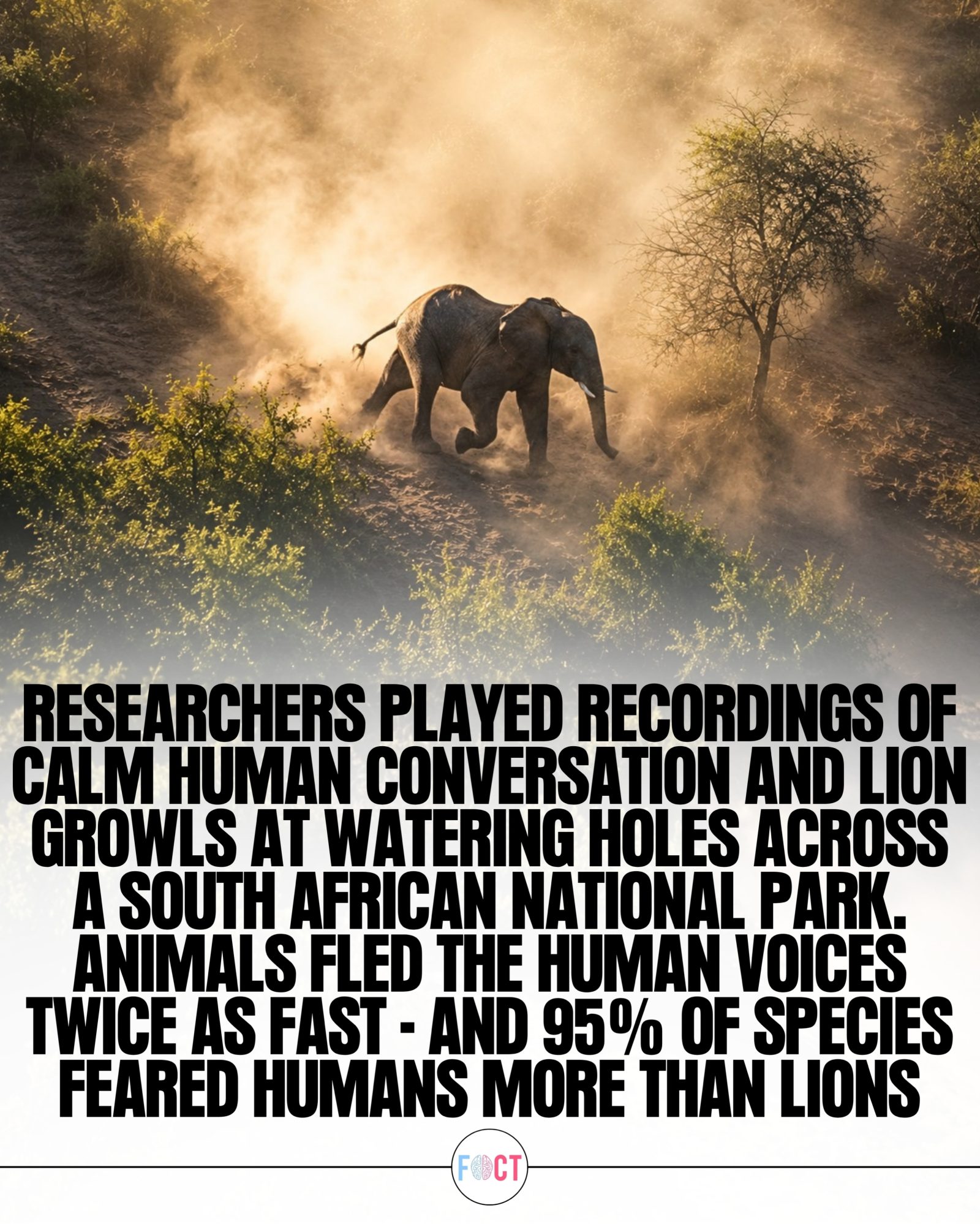
Wild Animals in Greater Kruger National Park Fear Humans More than Lions
Wild animals in South Africa's Greater Kruger National Park exhibit a surprising behavior: they fear humans more than they do lions. This unexpected finding comes from a study where researchers played recordings of both ordinary human conversations and lion growls at various watering holes. The animals' reactions were recorded and analyzed, revealing that humans are perceived as a greater threat than lions or other natural predators.
Understanding the Study
The study, published in Current Biology, involved 19 different mammal species and over 15,000 recordings. Researchers strategically placed speakers at watering holes, playing both calm human conversations and lion growls. The idea was to observe how these wild animals would react to the sounds, specifically comparing their responses to human voices versus lion growls.
Human Voices: An Unforeseen Threat
The results were clear: animals fled from human voices almost twice as quickly as they did from lion growls. This heightened fear response to human voices was not limited to a few species. In fact, around 95% of the species observed responded more strongly to human voices than to the sounds of lions, dogs, or even gunshots. This indicates that humans are perceived as a major threat, even in protected reserves where hunting is infrequent.
One notable example from the study was an elephant that charged the speaker playing lion sounds instead of running away. This unusual reaction highlights the complexity of how different species perceive and respond to various stimuli. However, it's also an outlier, and overall, the trend shows that animals are more cautious when they perceive human activity.
The "Super Predator" Theory
The findings of this study support what researchers call the "super predator" theory. This theory posits that humans have become so effective as hunters throughout history that many wild animals instinctively fear us more than their natural predators. This instinctive fear is deeply ingrained, even in areas like the Greater Kruger National Park where human hunting is rare.
Why This Matters
For conservationists and wildlife enthusiasts, these findings are crucial. Understanding the fears and behaviors of wild animals can help shape more effective conservation strategies. The presence of humans, even non-threatening ones, can significantly impact animal behavior and movement patterns. This insight can inform best practices for eco-tourism, research methods, and park management.
Practical Tips
For those planning to visit areas like Greater Kruger National Park, here are some practical tips to minimize stress on wildlife:
- Stay Quiet: Keep noise levels low, especially near watering holes and other areas where animals congregate.
- Avoid Sudden Movements: Move slowly and predictably to avoid startling animals.
- Maintain Distance: Respect the distance guidelines set by park authorities. Binoculars and zoom lenses can help you observe animals without getting too close.
- Use Electric Vehicles: Electric vehicles are quieter and less likely to disturb wildlife, making them a good choice for tours.
- Follow Park Rules: Always adhere to local guidelines and regulations to ensure the safety and well-being of the animals.
Important Takeaways
The study provides several key takeaways for wildlife conservation and general understanding of animal behavior:
- Human Presence Matters: The study confirms that even non-threatening human presence can significantly alter animal behavior.
- Fear Response: Animals tend to perceive humans as a greater threat than natural predators, highlighting the long-lasting impacts of human activities.
- Conservation Strategies: Understanding these fear responses can help tailor conservation efforts, making them more effective in protecting wildlife.
- Intrinsic Behavior: The findings suggest that some behaviors, like fear of humans, are deeply ingrained and may require long-term, broad-scale changes to mitigate.
Conclusion
The study conducted in Greater Kruger National Park reveals a profound insight into the behaviors of wild animals. Humans, despite our best intentions, are often perceived as the greatest threat, triggering more intense fear responses than natural predators. This knowledge can guide better conservation practices and improve our understanding of the intricate ways in which animals perceive their environments. By being mindful of our presence and actions, we can contribute to the preservation of wildlife in their natural habitats.
Watch the Reel
Questions readers ask
Why do animals in Kruger National Park react more strongly to human voices than to lion growls?
The study found that animals in Kruger National Park perceive human voices as a greater threat than lion growls. This heightened reaction suggests that animals associate humans with significant danger, even more so than natural predators like lions. This behavior was consistent across nearly all species observed.
How was the fear of humans versus lions measured in this study?
Researchers measured the animals' fear by playing recordings of human conversations and lion growls at watering holes. They then analyzed the animals' reactions, specifically how quickly they fled from the source of the sound. The data showed that animals fled almost twice as quickly from human voices as they did from lion growls.
Which species were included in the study, and how were their reactions recorded?
The study involved 19 different mammal species in Kruger National Park. The reactions of these animals were recorded using strategically placed speakers that played the recordings. The animals' responses to the sounds were then analyzed to determine their level of fear and the speed at which they fled.
What does this study reveal about the impact of human presence on wildlife in Kruger National Park?
This study highlights that animals in Kruger National Park associate humans with significant danger, leading to heightened fear responses. This suggests that even in protected areas like Kruger, animals are deeply affected by human presence, altering their behavior and potentially their survival strategies.
What can safari visitors do to minimize their impact on wildlife behavior in Kruger National Park?
To minimize impact, safari visitors should maintain a respectful distance from wildlife, avoid making loud noises, and follow park guidelines. By being mindful of their presence and actions, visitors can help reduce the stress and fear that animals experience, ensuring a more natural and less disruptive interaction with wildlife.
Related deep dives
Similar reads based on topic and creator.




Recent articles
Fresh deep dives from the latest Reels we unpacked.




Comments
Be the first to comment.