Attraction Dynamics in Relationships: Why "Taken" Men and Women May Appear More or Less Appealing
Have you ever noticed how a man who initially seemed average suddenly becomes more attractive once you find out he has a girlfriend or is married? This phenomenon is real and rooted in how we as humans make decisions about attraction and social cues.
Why This Matters
Understanding why certain people suddenly seem more appealing can shed light on the subconscious mechanisms driving attraction. By delving into the science behind this phenomenon, individuals can gain insights into their own preferences and decision-making processes in romantic and social contexts.
The Science Behind "Mate Choice Copying"
The phenomenon of suddenly finding a "taken" man more attractive is known as "mate choice copying." This refers to the inclination to perceive someone as more attractive when they are already in a relationship. Surprisingly, this effect is not exclusive to romantic partners. Research has shown that women exhibit similar preference-copying behavior when evaluating abstract artworks as they do when assessing male faces. This suggests that the tendency to trust the choices of others is a broader human trait. It’s akin to relying on reviews when shopping online.
Gender Differences in Attraction
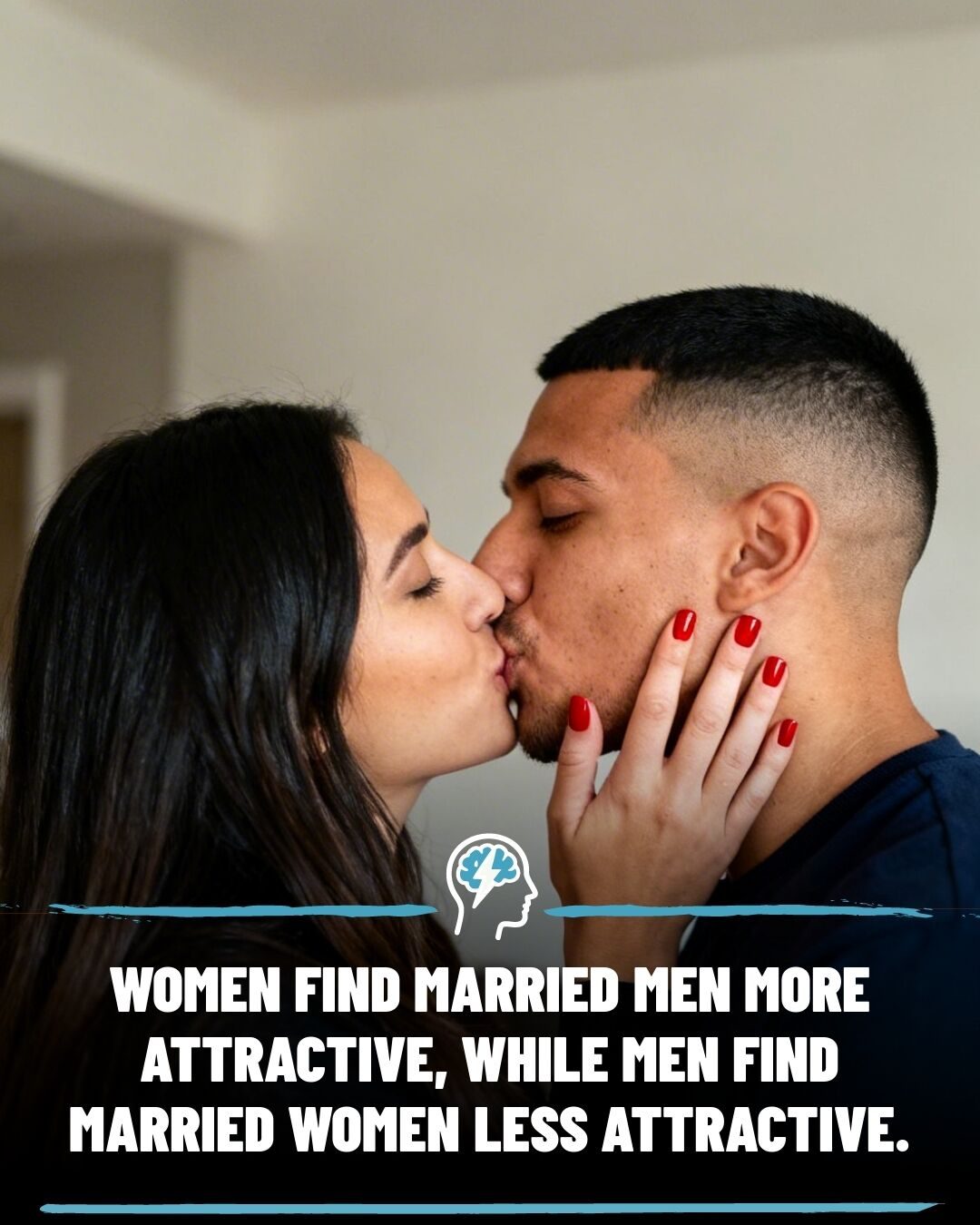
The dynamics of attraction are influenced by gender. Generally, women tend to find men more attractive when they are "taken," while men often view married women as less attractive. This differs from the common belief that we are subconsciously detecting qualities like reliability or emotional stability in taken men. Recent research challenges this notion, indicating that our attraction is more broadly influenced by what others prefer.
The Role of Social Cues
The influence of social cues on attraction cannot be overstated. When others have already made a choice, it reduces our decision uncertainty. This social influence is not limited to romantic partners but extends to various aspects of our lives, including art and consumer choices. Understanding this broader human tendency can help you become more aware of why certain people suddenly seem more appealing.
Practical Tips for Navigating Attraction Dynamics
Recognizing Social Influence
Acknowledge that our preferences are often influenced by social cues. When you find yourself drawn to someone because others have chosen them, recognize this influence and consider whether your attraction aligns with your own values and preferences.
Making Informed Decisions
Relying too heavily on social cues can sometimes lead to decisions that do not align with your personal values. Be mindful of this tendency and strive to make informed decisions that reflect your true preferences and priorities.
Focusing on Individual Preferences
While social cues play a significant role in attraction, it’s essential to focus on your individual preferences and values. Engage in self-reflection to understand what truly matters to you in a partner and make choices that align with these values.
Building Awareness
Awareness is the first step toward making choices that align with your own values. By being conscious of the broader human tendency to be influenced by what others prefer, you can navigate attraction dynamics more mindfully.
Important Takeaways
- Research Confirms "Mate Choice Copying": Studies confirm that people often perceive potential partners as more attractive when someone else has already chosen them.
- Genders Differ in Attraction: Women tend to find taken men more attractive, while men often view married women as less attractive.
- Broader Human Tendency: This preference-copying behavior is not exclusive to romantic partners; it extends to other areas like art and consumer choices.
- Social Influence Matters: Our decision-making is often influenced by social cues, which can affect our attraction to others.
Conclusion
Understanding the dynamics of attraction and the role of social cues can provide valuable insights into your decision-making processes. By recognizing the broader human tendency to be influenced by what others prefer, you can make more informed and authentic choices in your relationships. Whether it’s a romantic partner, a piece of art, or a consumer product, being mindful of these influences can help you align your decisions with your true values and preferences.
Watch the Reel
Questions readers ask
What exactly is 'mate choice copying' and how does it influence attraction?
Mate choice copying is a subconscious phenomenon where someone appears more attractive once you know they are in a relationship. This influence on attractiveness stems from social cues and can lead to changes in how an individual perceives a person's appeal. It is often driven by the assumption that if someone is already taken, they must have desirable qualities that others have recognized.
Why do women often find taken men more appealing?
Women may find taken men more appealing due to various psychological factors, including the perception of a man’s high social status and the idea that another woman has already validated his appeal. This dynamic can make a taken man seem more attractive and desirable due to the implied social proof.
What makes some men find married women less attractive?
Men might find married women less attractive due to perceived social and emotional barriers. The commitment and power dynamics involved in a marriage can signal to men that pursuing a married woman is not worth the effort or could lead to complications. Additionally, men might perceive married women as less available, further decreasing their perceived attractiveness.
How do social cues impact our perception of a person's attractiveness?
Social cues play a significant role in shaping our perception of attractiveness. When we observe that someone is in a relationship, it often signals to us that this person has qualities that others have recognized and appreciated. This perception can enhance the person’s appeal by creating a halo effect, where we subconsciously associate positive traits with their physical attributes.
Can understanding these subconscious biases help improve dating decisions?
Understanding subconscious biases in attraction, such as mate choice copying, can help individuals make more informed decisions in dating and relationships. By recognizing these underlying mechanisms, individuals can better assess their own preferences and avoid being solely influenced by social cues that may not reflect genuine compatibility.
Recent articles
Fresh deep dives from the latest Reels we unpacked.




Comments
Be the first to comment.