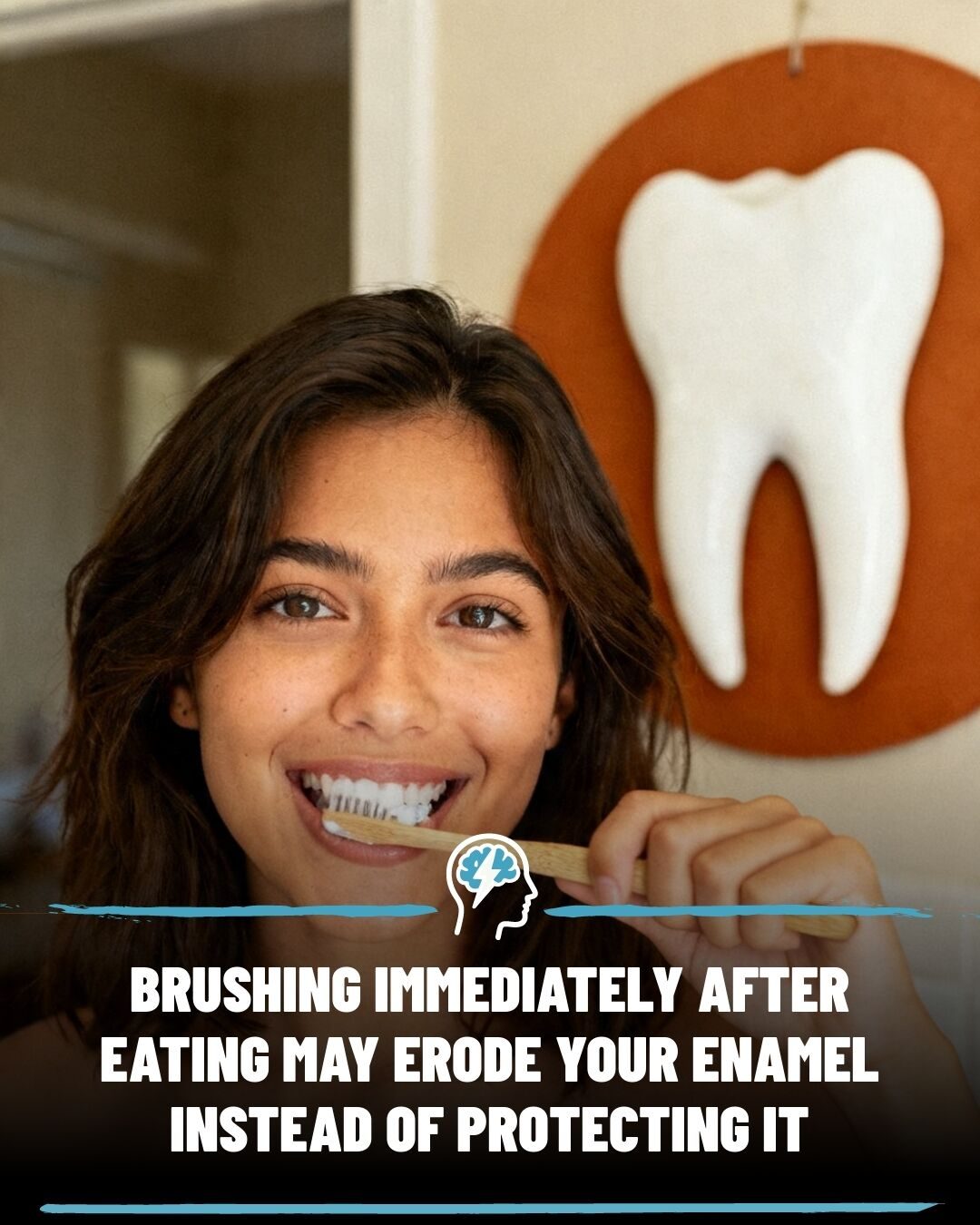
Brushing Right After Eating: What You Need to Know
Brushing right after eating can feel like a great way to maintain clean teeth, but it might not always be the best choice for your oral health. The timing of brushing can significantly impact the health of your teeth, particularly when it comes to the consumption of acidic foods and drinks.
Why This Matters
Maintaining strong enamel is crucial for overall dental health. Enamel is the hard, outer layer of the teeth that protects the softer dentin underneath. Once enamel is damaged, it doesn't regenerate, making prevention vital. Understanding the effects of acidic foods and the best times to brush can help preserve your enamel.
The Impact of Acidic Foods
Acidic foods and drinks, such as citrus, coffee, and tomatoes, can lower the pH level in your mouth to below 5.5. This triggers a process called demineralization, where the acids temporarily soften the enamel's surface layer. During this window, your teeth are more susceptible to damage, particularly from the mechanical action of a toothbrush.
How Brushing Affects Enamel
The primary issue isn't the act of brushing itself, but rather, brushing while the enamel is in a softened state. The bristles of a toothbrush can scrub away the weakened enamel, leading to tissue loss. Studies have shown that brushing acid-softened enamel can cause tissue loss that is over 50 times greater than brushing unaffected surfaces. This significant difference highlights the importance of timing.
The Role of Saliva
Saliva plays a crucial role in protecting your teeth. It naturally neutralizes acids and helps remineralize the enamel, restoring its hardness. Waiting 30 to 60 minutes after consuming acidic foods allows your saliva to do its job and can prevent the damage that brushing too soon might cause.
Practical Tips for Protecting Your Enamel
Wait to Brush
Most dental professionals recommend waiting 30 to 60 minutes after eating acidic foods before brushing. This delay gives your saliva time to neutralize the acids and allow your enamel to reharden.
Rinse with Water
In the meantime, you can rinse your mouth with plain water to help wash away acids. This simple step can reduce the acidity in your mouth and protect your enamel.
Chew Sugar-Free Gum
Chewing sugar-free gum can stimulate saliva production, which helps buffer acidity naturally. This is a convenient way to boost your mouth's natural defenses against acid erosion.
Drink Milk
Drinking milk after consuming acidic foods can also help. Milk contains compounds that can neutralize acids and provide a protective layer on your teeth.
Important Takeaways
The key takeaway is not to skip brushing altogether, but to adjust the timing. Brushing before breakfast or waiting a while after acidic meals and rinsing with water or drinking milk can help protect your enamel.
The Morning Routine
Consider adjusting your morning routine. If you usually brush right after breakfast, try brushing before your meal or waiting a bit longer before brushing. This small change can make a big difference in the long-term health of your teeth.
Consult Your Dentist
Results and sensitivity levels can vary by individual, so it's always a good idea to talk with your dentist about your specific habits. They can provide personalized advice based on your oral health needs.
Prevention is Key
Prevention is your best strategy. Enamel doesn't regenerate once it's gone, so taking steps to protect it now can save you from future dental issues. Fluoride treatments can help protect what remains, but preventing enamel loss in the first place is always preferable.
Conclusion
Timing your brushing can have a significant impact on the health of your teeth. By understanding how acidic foods affect your enamel and adjusting your brushing habits accordingly, you can protect your teeth and maintain strong, healthy enamel. Small changes, like waiting to brush or rinsing with water, can lead to long-term benefits for your oral health.
Watch the Reel
Questions readers ask
Why should I avoid brushing my teeth immediately after eating acidic foods?
Brushing immediately after consuming acidic foods can harm your teeth because the acids temporarily soften the enamel, making it vulnerable to damage from brushing.
What should I do if I've just eaten or drunk something acidic?
Instead of brushing, allow your saliva to neutralize the acids and remineralize your teeth. This process takes about 30–60 minutes. Drink water to help wash away the acids and stimulate saliva production.
Which foods and drinks can soften tooth enamel?
Many common foods and drinks can soften tooth enamel, including citrus fruits, tomatoes, coffee, soda, and wine. These items are acidic and can temporarily weaken the enamel, making it more susceptible to damage.
What is the best time to brush my teeth after eating?
Wait for 30-60 minutes after eating or drinking acidic items. This allows your saliva to neutralize the acids in your mouth and helps to remineralize the enamel, making it strong enough for brushing again.
Can acidic foods cause long-term damage to my teeth?
Yes, frequent exposure to acidic foods and drinks can lead to enamel erosion over time. This is because the acids weaken the enamel, and brushing or other factors can cause it to wear away gradually.
How does saliva help protect my teeth from acidic foods?
Saliva plays a crucial role in neutralizing the acids in your mouth and helping to remineralize your teeth. It contains minerals like calcium and phosphate, which help strengthen and repair the enamel.
Related deep dives
Similar reads based on topic and creator.



Recent articles
Fresh deep dives from the latest Reels we unpacked.




Comments
Be the first to comment.