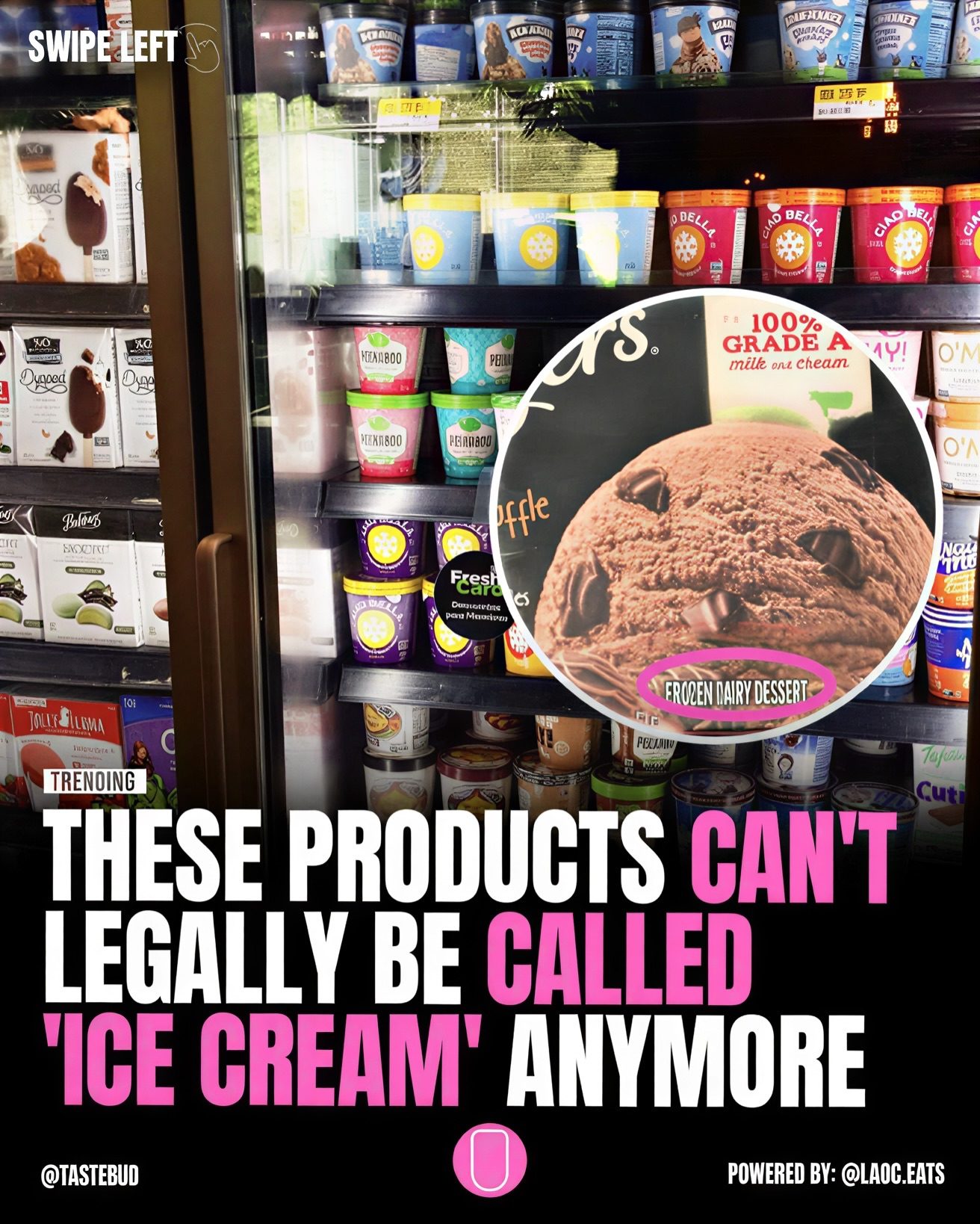
Ice cream is a beloved treat, but did you know that not every frozen confection labeled as "ice cream" actually meets the legal definition? The FDA has strict guidelines for what can be legally called ice cream, and many popular products fall short. This debate goes beyond semantics and touches on consumer expectations, regulatory standards, and marketing strategies.
Context / Why this matters
The difference between ice cream and other frozen dairy desserts might seem trivial, but it has significant implications for consumers and manufacturers alike. Understanding these distinctions can help inform purchasing decisions and shed light on the ingredients and nutritional content of frozen treats.
Main discussion
FDA Standards for Ice Cream
According to the FDA, ice cream must contain at least 10 percent milkfat and 20% total milk solids. These standards ensure a certain level of creaminess and richness that consumers expect from traditional ice cream. However, many brands use lower milkfat content, often ranging between 6-8%, which means technically shouldn't be classified as ice cream.
Frozen Dairy Desserts
Brands like Breyers have often labeled their products as "Frozen Dairy Dessert" rather than ice cream. This labeling change is due to the products not meeting the FDA’s minimum milkfat content required to be called ice cream.
The difference in labeling can be subtle, but it signals a significant difference in the product's composition. Frozen dairy desserts can have lower milkfat content and often rely on stabilizers, emulsifiers, and other additives to achieve a similar texture and taste. These alternative ingredients might surprise those who assume they are consuming traditional ice cream.
Alternate Names and Consumer Confusion
Some companies, such as Chick-fil-A and Dairy Queen, have used alternative names for their frozen treats instead of labeling them as ice cream. Chick-fil-A, for instance, calls its product "Ice Dream," while Dairy Queen labels its treats "Soft Serve." These names are often clever marketing strategies to distinguish their products in the marketplace while skirting the technicalities of FDA regulations.
Breyers' Position
Breyers, a well-known brand in the ice cream industry, has been particularly vocal about the differences in labeling. The brand highlights that its products, labeled as "Frozen Dairy Dessert," are made with 100% Grade A Milk and Cream, emphasizing quality and freshness while acknowledging they don’t meet the legal definition of ice cream. This transparency can be seen as a win for consumers who value clarity in labeling, even if it means accepting that their favorite frozen treat might not be "ice cream" in the traditional sense.
Practical tips
When shopping for ice cream, pay close attention to the labels. If a product is labeled as "Frozen Dairy Dessert" or another alternative term, it may not meet the FDA’s standards for ice cream. If you prefer your treats to adhere to traditional standards, look for products explicitly labeled as "Ice Cream" and check the milkfat content on the nutrition label.
Important takeaways
Product Composition
The composition of a frozen treat can vary significantly depending on whether it is legally classified as ice cream or a frozen dairy dessert. Traditional ice cream contains higher milkfat and total milk solids, contributing to its rich and creamy texture. Frozen dairy desserts, on the other hand, often rely on additives and stabilizers to mimic this texture.
Consumer Awareness
Being aware of the differences in labeling can help consumers make more informed choices. Understand that not all frozen treats are created equal, and the labels on the packaging can provide valuable insights into the product's ingredients and composition.
Regulatory Compliance
The FDA’s guidelines exist to ensure consistency and transparency in the labeling of dairy products. While these regulations might seem strict, they help consumers understand what they are buying and ensure that products meet certain quality standards.
Conclusion
The debate around what can legally be called ice cream highlights the complexities of food labeling and regulatory standards. Understanding why certain products are labeled as "Frozen Dairy Dessert" rather than ice cream can help consumers make more informed choices and appreciate the nuances in their favorite frozen treats. Whether you prefer traditional ice cream or are open to trying alternative dairy desserts, knowing the differences can enhance your dining experience and ensure you get the product that best suits your preferences.
Watch the Reel
Questions readers ask
What are the FDA standards for ice cream?
The FDA mandates that ice cream must contain at least 10% milkfat and 20% total milk solids. These standards ensure a specific richness and creaminess in the product. Any frozen dessert that doesn't meet these criteria cannot legally be labeled as ice cream.
Why do some brands avoid using the term 'ice cream' on their products?
Some brands opt for labels like 'frozen dairy dessert' or 'frozen confection' because their products do not meet the FDA's standards for milkfat and total milk solids. This allows them to offer lower-cost products with fewer dairy ingredients and more additives.
How can I tell if my favorite frozen treat is legally ice cream?
To determine if a product is legally ice cream, check the label for the term 'ice cream' and verify that it meets the FDA's standards of at least 10% milkfat and 20% total milk solids. If the label uses different terminology, it likely does not meet these standards.
What are some common additives found in lower-quality frozen desserts?
Lower-quality frozen desserts may contain various additives such as emulsifiers, stabilizers, and artificial flavors. These additives help mimic the texture and taste of real ice cream while reducing production costs.
How does Breyers comply with ice cream standards?
Breyers is known for its high-quality ice cream products, which include flavors like chocolate and vanilla. They follow the FDA's standards by ensuring their products contain at least 10% milkfat and 20% total milk solids, thereby meeting the legal definition of ice cream.
What makes Chick-fil-A’s ice cream different from other frozen treats?
Chick-fil-A's ice cream is made with a higher butterfat content, which gives it a richer and creamier texture. This means it is more likely to meet the FDA's ice cream standards, offering consumers a more traditional ice cream experience.
What are the key ingredients in ice cream versus other frozen desserts?
Ice cream is primarily composed of milkfat, milk solids, and sweeteners. In contrast, other frozen desserts may have lower milkfat content and include additional ingredients like water, corn syrup, and various additives to achieve a similar taste and texture at a lower cost.
Related deep dives
Similar reads based on topic and creator.



Recent articles
Fresh deep dives from the latest Reels we unpacked.




Comments
Be the first to comment.