Lunar Orbit and Nodes
Eclipses are among the most captivating celestial events, but have you ever wondered why they don't occur every month? The answer lies in the intricate dance of the Moon's orbit around the Earth and its relationship to the Sun. This cosmic ballet involves a slight tilt in the Moon's orbit, which plays a crucial role in the frequency of eclipses.
Why This Matters
Understanding the mechanics behind eclipses enhances our appreciation of the celestial choreography that unfolds in the night sky. This knowledge is not just about scientific curiosity; it also helps in predicting these rare events, which have fascinated humans for millennia.
The Moon's Orbit and Eclipses
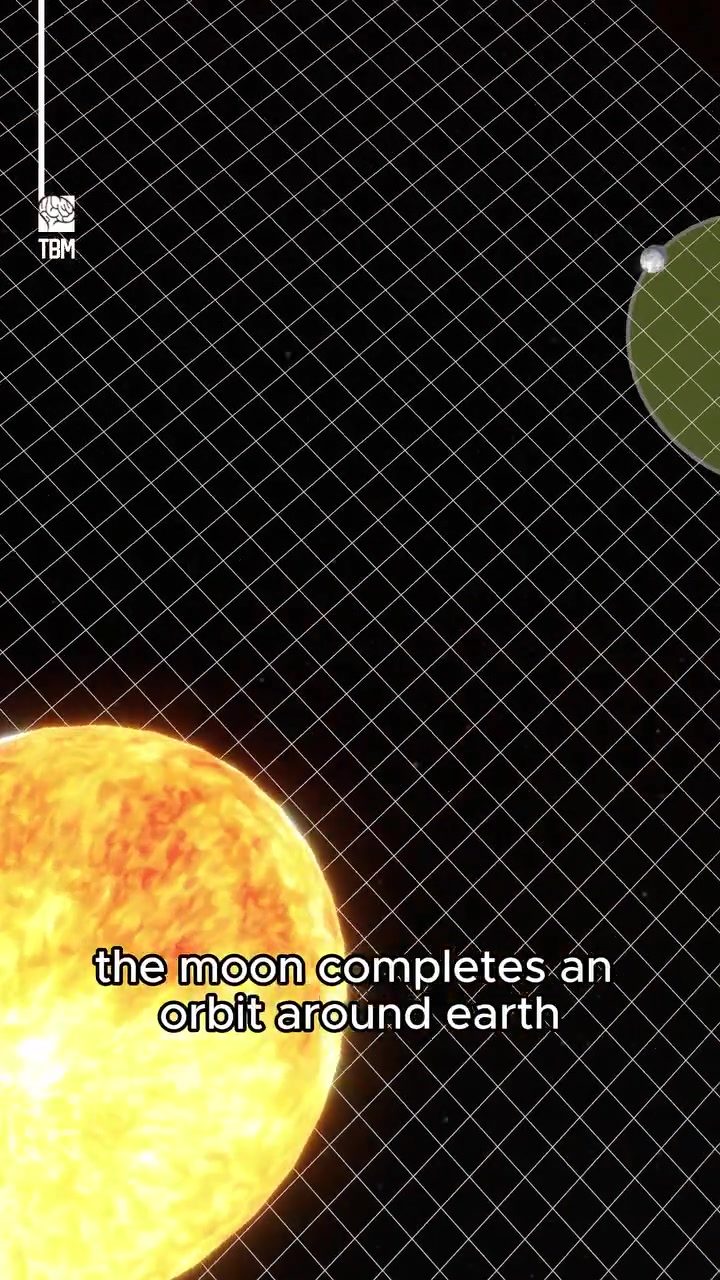
The Moon completes an orbit around the Earth approximately every 29.5 days. Despite this regular orbital period, eclipses do not happen every month. This discrepancy arises from the Moon's orbit being tilted by about 5 degrees relative to the Earth's orbit around the Sun. This slight tilt means the Sun, Earth, and Moon are usually not perfectly aligned.
During most new moons, the Moon passes above or below the Sun from Earth's perspective. This misalignment prevents a solar eclipse. Similarly, during most full moons, the Moon passes above or below the Earth's shadow, preventing a lunar eclipse. Therefore, eclipses only occur when the Moon is near one of the two points where its orbit crosses the Earth's orbital plane, known as nodes.
The Role of Nodes
Nodes are critical in the alignment necessary for an eclipse. When a new moon or full moon occurs close to a node, the three celestial bodies (the Sun, Earth, and Moon) align closely enough for shadows to fall on one another. This alignment can result in a solar eclipse, where the Moon's shadow reaches Earth, or a lunar eclipse, where the Moon moves through Earth's shadow. This alignment happens only a few times each year, making eclipses relatively rare events.
Solar and Lunar Eclipses
Solar Eclipse
A solar eclipse occurs when the Moon passes directly between the Sun and Earth, casting a shadow on the Earth's surface. This happens during a new moon phase, and the alignment must be precise for the shadow to fall on Earth.
Lunar Eclipse
A lunar eclipse, on the other hand, occurs during a full moon phase when the Earth comes between the Sun and the Moon. The Earth's shadow falls on the Moon, and this alignment is necessary for a lunar eclipse to take place. Like solar eclipses, lunar eclipses require precise alignment and are thus rare.
The Mechanics of Nodes
Nodes are the points where the Moon's orbit intersects the ecliptic, the plane of the Earth's orbit around the Sun. There are two nodes: an ascending node, where the Moon crosses from below to above the ecliptic, and a descending node, where it crosses from above to below. For an eclipse to occur, the Moon must be at or very near one of these nodes at the time of a new or full moon.
Practical Tips for Viewing Eclipses
While the rarity of eclipses makes them special, here are some practical tips for viewing them:
- Stay Safe: Never look directly at the Sun during a solar eclipse. Use certified eclipse glasses or a pinhole projector to view the eclipse safely.
- Plan Ahead: Check the predicted paths of solar and lunar eclipses. Knowing the locations and times of these events can help you plan your viewing experience.
- Weather Check: Clear skies are essential for a good view. Always check the weather forecast for the day of the eclipse.
- Use Technology: Smartphone apps and websites can provide real-time updates on eclipse timings and locations. These tools can enhance your viewing experience by giving you precise information.
Important Takeaways
- Orbital Tilt: The Moon's 5-degree orbital tilt relative to the Earth's orbit around the Sun is the primary reason eclipses do not occur every month.
- Nodes: Eclipses can only happen when the Moon is near one of the two nodes, where its orbit crosses the Earth’s orbital plane.
- Rarity: The precise alignment required for eclipses makes them relatively rare events, occurring only a few times a year.
The intricate dance of the Moon, Earth, and Sun creates a fascinating celestial ballet that results in the awe-inspiring phenomenon of eclipses. Understanding the mechanics behind this cosmic phenomenon enriches our appreciation of the natural world and deepens our connection to the universe.
Conclusion
The next time you see a solar or lunar eclipse, remember the complex interplay of celestial bodies that makes these events possible. The Moon’s orbital tilt and the alignment near the nodes are crucial factors that shape the rarity and beauty of eclipses. Whether you are an avid stargazer or a casual observer, the next eclipse is an event worth marking on your calendar.
Watch the Reel
Questions readers ask
Why don't eclipses occur every month if the Moon orbits Earth approximately every 29.5 days?
Eclipses don't happen monthly because the Moon's orbit is tilted about 5 degrees relative to Earth's orbit around the Sun. This tilt means that the Moon's shadow usually misses Earth, and alignment of the Earth, Moon, and Sun (which is necessary for an eclipse) is rare.
What are lunar nodes and how do they relate to eclipses?
Lunar nodes are the points where the Moon's orbit intersects with the Earth's orbital plane. Eclipses occur only when the Sun, Moon, and Earth align at these nodes. This alignment is necessary for the Moon's shadow to hit Earth, creating a solar eclipse, or for Earth's shadow to hit the Moon, creating a lunar eclipse.
Why do eclipses only happen during specific moon phases?
Eclipses occur during specific moon phases because they require precise alignment of the Earth, Moon, and Sun. Solar eclipses happen during a new moon, when the Moon is directly between the Earth and Sun. Lunar eclipses occur during a full moon, when the Earth is directly between the Moon and Sun, casting a shadow on the Moon.
How does the Moon's orbit tilt affect the frequency of eclipses?
The Moon's orbit tilt changes the alignment needed for eclipses. Without the tilt, we would have more frequent eclipses, approximately every 29.5 days. However, the tilt means that eclipses occur only a few times a year, when the Sun, Moon, and Earth align at the lunar nodes.
Are lunar and solar eclipses equally common?
Lunar and solar eclipses occur with similar frequency, but they are not identical in occurrence. Lunar eclipses can be observed from a larger area on Earth, and they happen at least 2 times a year, with up to 3 possible in a year. Solar eclipses, while visible from a smaller area, can also occur 2-3 times a year, but not always.
Related deep dives
Similar reads based on topic and creator.




Recent articles
Fresh deep dives from the latest Reels we unpacked.




Comments
Be the first to comment.