Street Lighting and Health
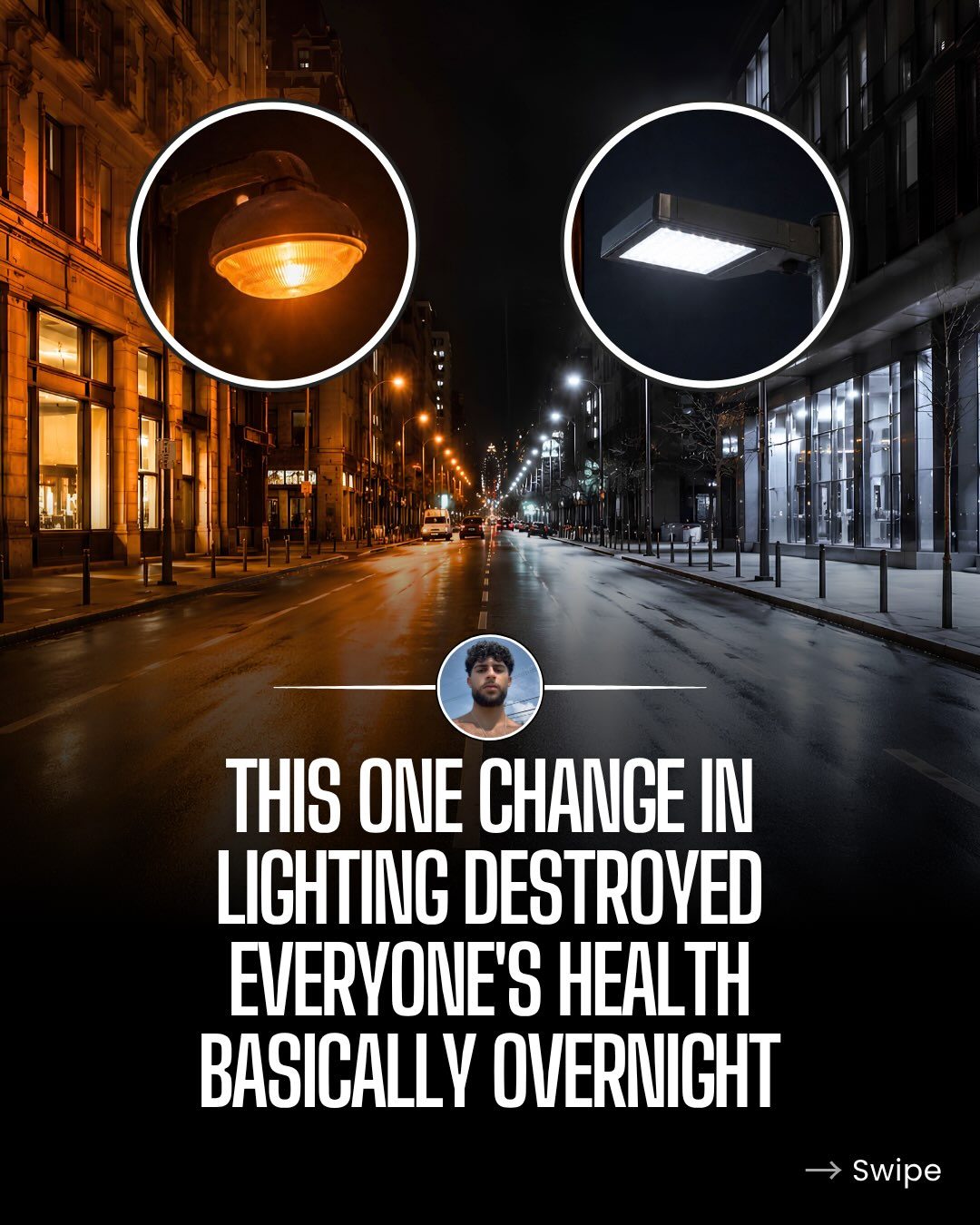
Cities worldwide have transitioned from older yellow street lights to bright white LED lights, aiming to save energy, reduce costs, and enhance street safety. However, this shift has had unintended consequences on public health, particularly affecting sleep patterns and overall well-being.
Context / Why This Matters
The move to LED street lighting was driven by practical goals: energy efficiency, cost savings, and improved visibility. However, the health impacts of this change highlight the complex interplay between urban planning and public health. Understanding these effects is crucial for cities to make informed decisions about street lighting and its potential health repercussions.
Main Discussion
The Transition to LED Street Lights
Street lighting has evolved significantly over the years, with many cities opting for LED (Light Emitting Diode) technology. LED lights are more energy-efficient and have a longer lifespan compared to traditional lighting solutions. They also offer brighter illumination, which can enhance visibility and safety on the streets. However, the brighter lights also emit more blue light, which is now recognized as a potential health hazard.
The Impact of Blue Light on Sleep
Blue light, a component of white LED lights, can disrupt the body's natural circadian rhythm. Circadian rhythms regulate various physiological processes, including the sleep-wake cycle. Blue light exposure, especially at night, can suppress the production of melatonin, a hormone essential for regulating sleep. This disruption can lead to poor sleep quality, affecting mood, focus, and overall well-being over time.
Health Consequences of Poor Sleep
Sleep is a fundamental aspect of health. It affects mood, cognitive function, and overall well-being. Poor sleep can lead to chronic health issues, including cardiovascular diseases, diabetes, and mental health disorders. While the transition to LED lights did not instantaneously ruin everyone's health, the cumulative effects of disrupted sleep can be significant. Some cities have responded to these concerns by dimming street lights or switching to warmer, less disruptive lighting solutions.
Public Reaction and Expert Insights
Many people reported feeling that their sleep was off and that nights felt harsher after the switch to white LED lights. Experts later pointed out that these bright lights give off more blue light, which can disrupt the body clock and lower melatonin. This insight highlights the importance of considering both the immediate and long-term effects of urban planning decisions on public health.
Practical Tips
If you are affected by street lighting and its impact on your sleep, consider the following tips:
Invest in Blue Light Blocking Glasses or Filters
Using blue light-blocking glasses or screen filters can help reduce exposure to blue light, especially in the evenings. These tools can minimize the disruption to your sleep patterns caused by artificial light.
Adjust Lighting in Your Living Spaces
Opt for warmer, softer lighting in your living spaces, particularly in the evenings. This can create a more sleep-friendly environment and help regulate your body's circadian rhythm.
Create a Consistent Sleep Schedule
Maintaining a consistent sleep schedule can help mitigate the effects of disrupted sleep. Going to bed and waking up at the same time every day can reinforce your body's natural sleep-wake cycle.
Use a Sleep Mask
A sleep mask can block out unwanted light, creating a darker environment that is more conducive to sleep. This can be particularly helpful if you live in an area with bright street lights.
Seek Professional Advice
If you continue to experience sleep disturbances, it may be beneficial to consult a healthcare provider. They can offer personalized advice and potential treatments to improve your sleep quality.
Important Takeaways
The transition to white LED street lights, while beneficial for energy efficiency and visibility, has raised concerns about public health, particularly regarding sleep disturbances. Blue light from these lights can disrupt the body's circadian rhythm and lower melatonin production, leading to poor sleep and potential long-term health issues. It is crucial for cities to consider these health impacts when planning urban lighting solutions. Individuals can also take steps to mitigate the effects of bright light exposure and improve their sleep.
Conclusion
The shift from yellow to white LED street lights has had unintended health consequences, highlighting the need for a balanced approach to urban planning. By understanding the impact of blue light on sleep and overall well-being, cities can make more informed decisions about street lighting. Individuals can also take proactive measures to protect their health in response to these changes.
Watch the Reel
Questions readers ask
How do LED street lights disrupt sleep patterns?
LED street lights emit a significant amount of blue light, which can interfere with the body's production of melatonin. This hormone is crucial for regulating sleep-wake cycles, and its suppression can lead to difficulties falling asleep, reduced sleep quality, and daytime fatigue.
What are the health impacts of LED street lights beyond sleep disruption?
Exposure to blue light from LED street lights can extend beyond sleep issues. It may contribute to mood disorders, such as depression, and has been linked to increased risks of certain cancers and metabolic disorders. Furthermore, it can affect the body's circadian rhythm, leading to overall health imbalances.
Why do cities prefer white LED street lights over traditional yellow lights?
Cities opt for white LED street lights primarily for their energy efficiency, cost savings, and improved visibility. These lights use less electricity and have a longer lifespan compared to traditional yellow lights, making them a popular choice for urban lighting solutions.
How does blue light from LED street lights affect melatonin levels?
Blue light is particularly effective at suppressing melatonin production. When exposed to blue light, especially in the evening, the body's natural response is to reduce melatonin production, which can delay the onset of sleep and disrupt the quality of sleep.
What steps can be taken to mitigate the health effects of LED street lights?
To reduce the adverse effects of LED street lights, cities can consider using warmer-colored LED lights, which emit less blue light. Additionally, implementing lighting controls, such as dimming or turning off lights during late-night hours, can help minimize the impact on public health.
How does the transition to LED street lighting affect urban planning?
The shift to LED street lighting requires urban planners to consider not only the energy benefits but also the potential health impacts. This involves balancing the need for safety and cost efficiency with the importance of preserving public health and well-being, possibly integrating health experts in urban planning decisions.
Related deep dives
Similar reads based on topic and creator.




Recent articles
Fresh deep dives from the latest Reels we unpacked.




Comments
Be the first to comment.