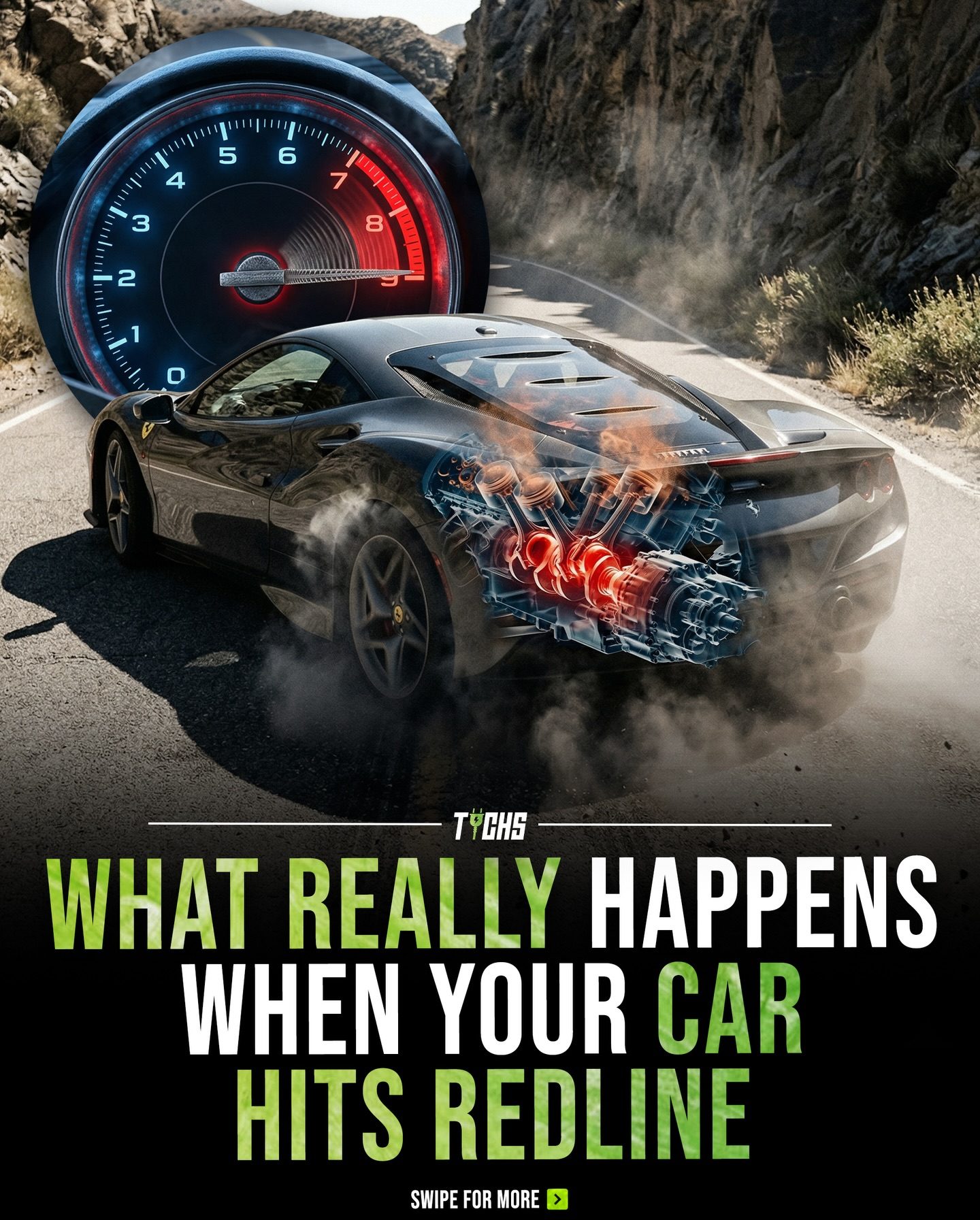
Car Redline Explained
When a car hits the redline, the engine reaches its maximum safe revolutions per minute (RPM). This is the point where performance peaks and mechanical stress rises sharply, making it a critical limit for both power and durability. Understanding what happens at the redline is essential for any driver, especially those interested in performance driving.
Why This Matters
The redline is a crucial indicator of an engine's operational limits. It signifies the point at which the engine's performance and safety are at their highest risk. Knowing the implications of hitting the redline can help drivers maintain their vehicles better, extend engine life, and prevent costly repairs.
What Happens at the Redline
Power Drop
As the engine approaches the redline, several mechanical factors begin to affect its performance. The most notable is the power drop. Engines stop gaining power near the redline because airflow efficiency and combustion stability start to decline. This is due to the increased speed of internal components like pistons, valves, and the crankshaft, which operate under extreme heat and pressure.
Mechanical Stress
At the redline, the engine's internal components are put under immense stress. The pistons, valves, and crankshaft move at extreme speeds, and the increased friction and heat can cause significant wear and tear. This mechanical stress is why the redline is a critical limit for engine durability.
Rev Limiter Activation
Modern cars are equipped with rev limiters, which are designed to protect the engine from damage. When the engine reaches the redline, the rev limiter cuts fuel or ignition, creating a bouncing effect. This prevents the engine from overshooting the redline and causing irreversible damage. The bouncing effect is a clear indication that the engine is at its limit and should not be pushed further.
Engine Components Under Stress
Pistons
At high RPMs, the pistons move rapidly within the cylinders. The increased speed and heat can cause the piston rings to lose their seal, leading to a drop in compression and potential engine failure if sustained.
Valves
Valves control the airflow into and out of the engine. At high RPMs, the valves must open and close more frequently, which can cause them to overheat and potentially bend or break, leading to significant engine damage.
Crankshaft
The crankshaft converts the linear motion of the pistons into rotational motion. At the redline, the crankshaft spins at extremely high speeds, generating a lot of heat and stress. This can cause the crankshaft bearings to wear out more quickly, leading to engine failure if not properly maintained.
Rev Limiter
The rev limiter is a crucial safety feature in modern cars. It creates a bouncing effect by cutting fuel or ignition at the redline, effectively preventing the engine from overshooting its maximum safe RPM. This bouncing effect is a clear indicator that the engine is at its limit and should not be pushed further. The rev limiter helps protect the engine from damage and extends its lifespan, making it an essential component in performance driving.
Performance Driving
For performance drivers, occasional redline is normal. However, staying at the redline for extended periods can increase wear, raise temperatures, and shorten engine life. It's essential to understand that the redline is a boundary designed to protect the engine rather than maximize speed. While pushing the engine to its limits can be exhilarating, it's crucial to do so responsibly to avoid long-term damage.
Important Takeaways
- The redline is the maximum safe RPM where performance peaks and mechanical stress rises sharply.
- Power gains drop as airflow efficiency and combustion stability decline near the redline.
- Internal components like pistons, valves, and the crankshaft operate under extreme conditions at the redline.
- Rev limiters cut fuel or ignition to prevent engine damage at the redline.
- Occasional redline is normal in performance driving, but staying there too long can shorten engine life.
Conclusion
Understanding what happens when a car hits the redline is essential for maintaining engine health and performance. The redline is a critical limit for both power and durability, and recognizing the signs of mechanical stress and the importance of the rev limiter can help drivers make informed decisions. Whether you're a performance enthusiast or a casual driver, knowing the implications of hitting the redline can help you keep your car in top condition.
Watch the Reel
Questions readers ask
What exactly is the redline in a car?
The redline in a car indicates the maximum safe revolutions per minute (RPM) that the engine can handle. It's the point where the engine's performance is at its peak, but mechanical stress also rises sharply. This limit is crucial for maintaining engine health and preventing damage to internal components.
What happens if I consistently drive with my engine at the redline?
Consistently driving at the redline can lead to a significant decrease in engine longevity. It causes extreme wear on engine components, reduces fuel efficiency, and increases the risk of costly repairs. It's best to avoid prolonged periods at high RPMs to maintain engine health and performance.
Can driving at the redline improve my car's performance?
Driving at the redline can provide a temporary boost in power, but it is not sustainable for long-term performance. In fact, staying near the redline for extended periods can lead to a drop in overall engine efficiency and performance, as well as increased wear on key components.
How does the redline affect engine maintenance?
Understanding and respecting the redline can significantly impact engine maintenance. By avoiding prolonged high RPMs, you can extend the intervals between engine repairs, maintain better fuel efficiency, and reduce the likelihood of major engine issues that could lead to expensive repairs.
Why is it important to know my car's redline?
Knowing your car's redline is vital for optimal car maintenance. It helps you avoid excessive engine stress, which can lead to premature wear and tear. By staying below the redline, you can ensure your engine runs more efficiently, lasts longer, and requires fewer repairs over time.
Does the redline vary between different car models?
Yes, the redline can vary significantly between different car models. This is due to differences in engine design, size, and intended use. For instance, sports cars often have higher redlines than sedans or compact cars. Always refer to your vehicle's manual to understand the specific redline for your car.
What are some tips for maintaining engine efficiency and longevity?
To maintain engine efficiency and longevity, avoid prolonged driving at high RPMs. Regularly perform routine maintenance, such as oil changes and tune-ups. Additionally, monitor your engine's performance and address any issues promptly to prevent minor problems from becoming major ones.
Recent articles
Fresh deep dives from the latest Reels we unpacked.




Comments
Be the first to comment.