Autophagy and Fasting
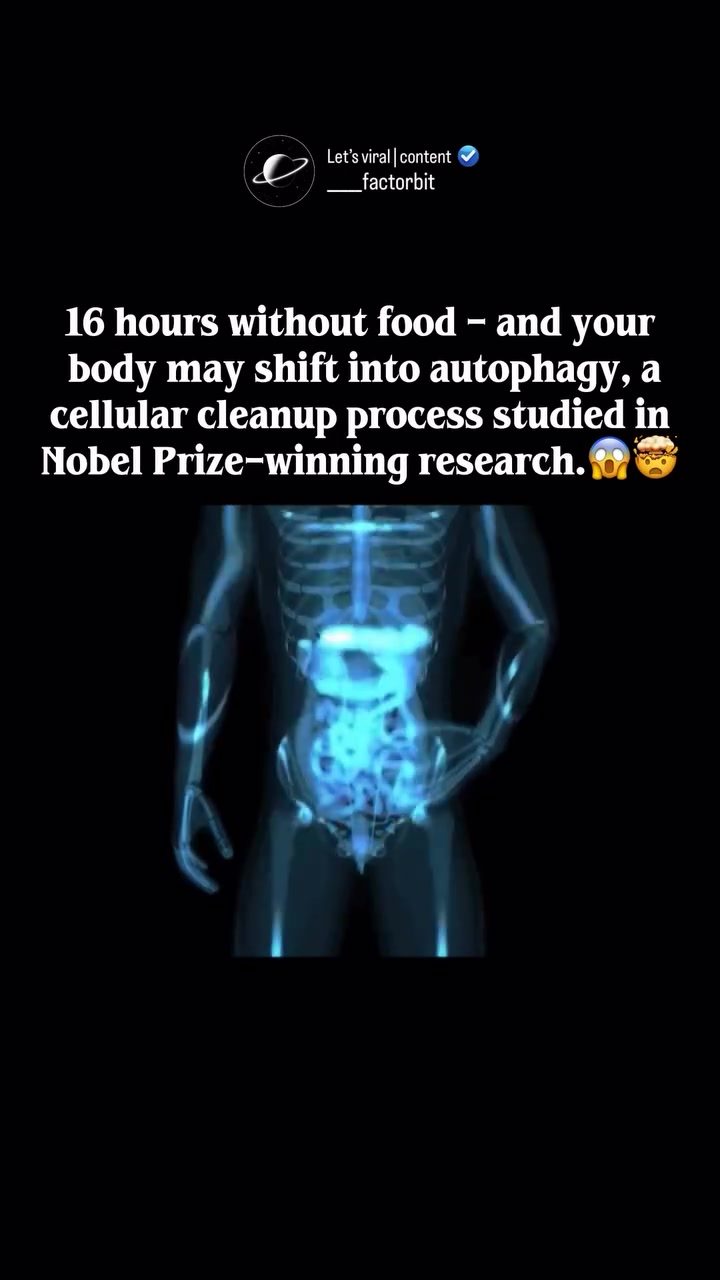
Autophagy and fasting are two interconnected processes that have gained significant attention in the realm of health and wellness. Autophagy is your body’s natural “cell recycling” process, where old or damaged cell parts are broken down and reused.
Why This Matters
The Science Behind Autophagy
Autophagy, a term derived from the Greek words for "self" and "eating," involves the degradation and recycling of cellular components. This process is crucial for maintaining cellular health and function. Over time, cells accumulate damaged proteins, worn-out components, and cellular waste. Autophagy helps in removing these damaged components, recycling usable materials, and supporting normal cellular function. Think of it as your body’s internal cleanup system.
The Role of Fasting
When you go without food for extended periods, your body may shift more energy toward maintenance and repair rather than digestion. This is one of the reasons why some people practice intermittent fasting, a popular method that involves fasting for a set number of hours and eating within a specific window.
Intermittent Fasting: A Closer Look
A common method of intermittent fasting is the 16:8 fasting plan, where you fast for 16 hours and eat within an 8-hour window. For example, you might have dinner at 8 PM and then wait until 12 PM the next day for your first meal. During this fasting period, your body may initiate autophagy. However, it's important to note that there's no proven "magic switch" where autophagy suddenly turns on at a specific hour. Research suggests that longer periods without eating may increase autophagy over time.
What Usually Won't Break a Fast?
It's worth noting that certain beverages like water, black coffee, and plain tea (without sugar or milk) typically won't break a fast. These beverages are generally low in calories and do not significantly impact the body's metabolic processes, allowing you to maintain the fasting state.
Main Discussion
The Science and Benefits of Autophagy
Autophagy is a critical process that has been studied extensively. In 2016, Japanese scientist Yoshinori Ohsumi won the Nobel Prize for his discoveries related to autophagy. His research highlighted the significance of this cellular cleanup process in maintaining cellular health and potentially combating various diseases.
How Fasting May Trigger Autophagy
Research suggests that fasting can trigger autophagy, although the exact mechanisms and timings are still not fully understood. Some studies indicate that autophagy may start after 16 hours of fasting, but this is not a definitive rule. The process is influenced by various factors, including overall diet, calorie intake, exercise, sleep, and metabolism.
The Benefits of Autophagy
The benefits of autophagy are multifold. It helps in:
- Removing damaged components from cells.
- Recycling usable materials to support cellular function.
- Maintaining overall cellular health and function.
The Reality Check
While fasting and autophagy offer potential benefits, it's essential to approach them with a balanced perspective. Fasting is not a miracle hack. It depends on many factors, and most human research on fasting and autophagy is still in its early stages. Consistency, nutrition, sleep, and exercise still matter most. Intermittent fasting can be a useful tool to support metabolic health and give the body more time between meals, but it should be part of a balanced lifestyle.
Practical Tips
Tips for Effective Fasting and Autophagy
- Avoid Late-Night Snacking: Late-night eating can disrupt your fasting schedule and metabolic processes. Try to have your last meal at a reasonable hour.
- Eat Balanced Meals: Ensure that your meals are nutritious and well-balanced. This will help support your body's overall health and well-being.
- Stay Active: Regular exercise can boost your metabolism and support autophagy.
- Sleep Well: Adequate sleep is crucial for overall health and can support your body's natural repair processes.
- Stay Hydrated: Drink plenty of water, especially during fasting periods, to support your body’s functions.
Creating a Fasting Schedule
Here's a simple guide to creating a fasting schedule:
- Start Gradually: If you're new to fasting, start with shorter fasting periods and gradually increase the duration.
- Choose a Suitable Time Window: Pick a fasting and eating window that suits your lifestyle. For example, you could fast from 8 PM to 12 PM the next day and eat within the 8-hour window.
- Stay Hydrated: Drink plenty of water, black coffee, and plain tea during your fasting period.
Important Takeaways
- Autophagy is a natural cellular cleanup process that helps maintain cellular health by removing damaged components and recycling usable materials.
- Fasting can trigger autophagy, although the exact timings and mechanisms are still not fully understood.
- Intermittent fasting involves periods of fasting and eating, and it can support metabolic health and give the body more time for repair and maintenance.
- Consistency, nutrition, sleep, and exercise are crucial for overall health and supporting autophagy.
Conclusion
Autophagy and fasting are interconnected processes that play a vital role in maintaining cellular health and supporting overall well-being. While fasting can trigger autophagy, it's essential to approach it as part of a balanced lifestyle. Consistency, nutrition, sleep, and exercise are key factors in supporting your body's natural repair processes. Whether you're new to fasting or an experienced practitioner, understanding autophagy can help you make informed decisions about your health.
Watch the Reel
Recent articles
Fresh deep dives from the latest Reels we unpacked.




Comments
Be the first to comment.