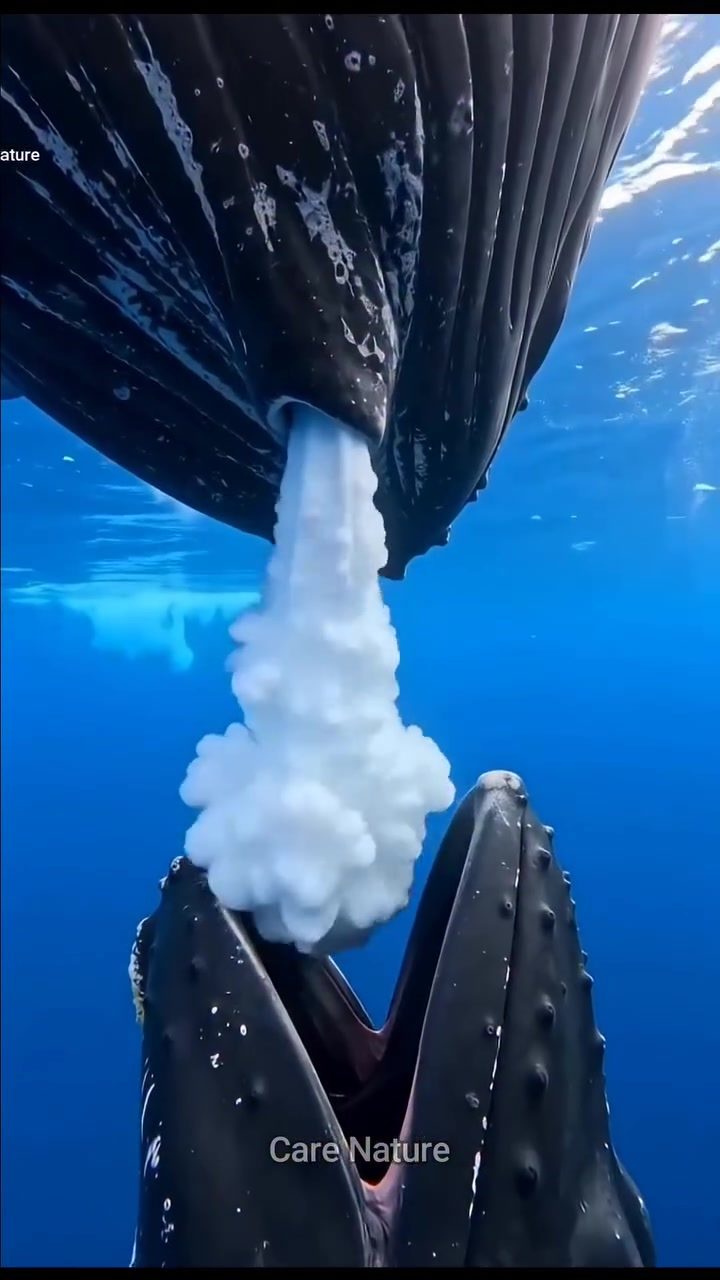
Whale Interaction
Diving into the ocean depths reveals a fascinating world of marine giants that are as mysterious as they are majestic. One of the most intriguing behaviors of these gentle giants comes in the form of their unique milk production, which is not only vital for their offspring but also provides insights into their survival strategies in the vast ocean.
Why This Matters
Understanding the feeding and nursing habits of whales sheds light on the intricate balance of marine ecosystems. These giants play a crucial role in the ocean's food chain and biodiversity. Their interactions, particularly the nurturing of their young, are not just biological necessities but also reflect the deep bonds within their social structures.
Main Discussion
The Unique Properties of Whale Milk
Whale milk is remarkably thick and dense, unlike any other mammal's milk. Its thickness is due to the high fat content, which ensures that the calves receive a concentrated source of energy. This is particularly important in the cold, nutrient-poor environments where whales often reside, as it helps the calves grow rapidly and develop robust energy reserves. Milk from a cow or a goat, for example, would dissolve quickly in water, whereas whale milk remains stable and nourishing.
The Nursing Process
Whale mothers are known to nurse their calves with an average of 200 liters of milk per day. This might seem excessive, but it's necessary for the rapid growth of the calves. The high-fat content in their milk helps the calves develop a thick layer of blubber, which acts as insulation and an energy reserve.
The Importance of Milk in Whale Calves' Survival
The marine environment can be harsh and unpredictable. Calves need to grow quickly to survive the challenges of the open sea. The concentrated and high-fat milk ensures that they gain weight and strength rapidly, which is crucial for their survival. The thick and creamy milk also helps in maintaining the body temperature of the calves, which is essential in colder waters.
Social Behavior and Bonding
Whale interactions are not just about survival; they also involve complex social behaviors. The close bond between a mother whale and her calf is evident in how they swim together, play, and interact. This social structure is crucial for the well-being of the calves, providing them with protection and learning opportunities.
The Role of Milk in Marine Ecosystems
The thick and dense nature of whale milk also influences the broader marine ecosystem. When whales feed, they transport nutrients from the deep sea to the surface, enriching the water for other marine organisms. This process, known as the "whale pump," enhances the productivity of the ocean, supporting a diverse range of marine life.
Practical Tips
Observing Whale Behavior
For those interested in observing whale behavior, it's essential to do so from a respectful distance. Whales are sensitive to human presence, and maintaining a safe distance helps preserve their natural behavior. Additionally, using binoculars or a telephoto lens can provide a closer look without disturbing the animals.
Supporting Conservation Efforts
Whales face numerous threats, including pollution, climate change, and fishing practices. Supporting organizations dedicated to marine conservation can help protect these magnificent creatures. Participating in beach cleanups, reducing plastic use, and advocating for sustainable fishing practices are practical steps anyone can take.
Important Takeaways
Whale interactions and their nursing habits offer a window into the fascinating world of marine mammals. The unique properties of whale milk, the nursing process, and the social behavior of whales all contribute to their survival and the health of marine ecosystems. Understanding these aspects not only enriches our knowledge of these gentle giants but also highlights the importance of preserving their habitats.
Conclusion
Whale interactions are a testament to the intricate and complex nature of marine life. Their unique milk production, nurturing habits, and social behaviors are critical to their survival and the overall health of the ocean. By appreciating and protecting these magnificent creatures, we contribute to the preservation of the intricate balance of our marine ecosystems.
Watch the Reel
Questions readers ask
What makes whale milk so dense and energy-rich?
Whale milk is exceptionally dense and energy-rich due to its high fat content, which can be as high as 53% in some species. This density is crucial for providing whales with the energy they need to grow rapidly and survive in cold, nutrient-poor ocean environments.
How does whale milk support rapid growth in calves?
Whale milk is designed to support the rapid growth of calves by providing a concentrated source of nutrients. Calves can double their body weight in just a few weeks, thanks to the energy reserves they accumulate from their mother's milk.
What are the key nutrients found in whale milk?
Whale milk is packed with essential nutrients, including proteins, fats, and various vitamins and minerals. These nutrients are crucial for the health and development of whale calves, helping them to grow quickly and build up their energy reserves.
How do whale mothers nurse their calves underwater?
Whale mothers nurse their calves underwater by positioning themselves to allow the calf to access the milk. This can involve complex coordination and may include the calf swimming close to the mother and aligning its body for efficient milk transfer.
Why is the bonding between a whale mother and her calf so important?
The bond between a whale mother and her calf is crucial for the calf's survival and development. This bond ensures that the calf receives the necessary nutrients and protection, which are vital for its growth and integration into the pod.
What role does whale milk play in marine ecosystems?
Whale milk, and the resulting growth of whale calves, plays a significant role in marine ecosystems. As whales grow, they contribute to the ocean's nutrient cycle by releasing nutrients through their waste and eventual decomposition, thus supporting a wide range of marine life.
How long do whale calves typically nurse from their mothers?
The duration of nursing varies by species, but it can last from several months to over a year. During this time, the calves rely solely on their mother's milk for sustenance, which is crucial for their growth and development before they begin to forage on their own.
Recent articles
Fresh deep dives from the latest Reels we unpacked.




Comments
Be the first to comment.