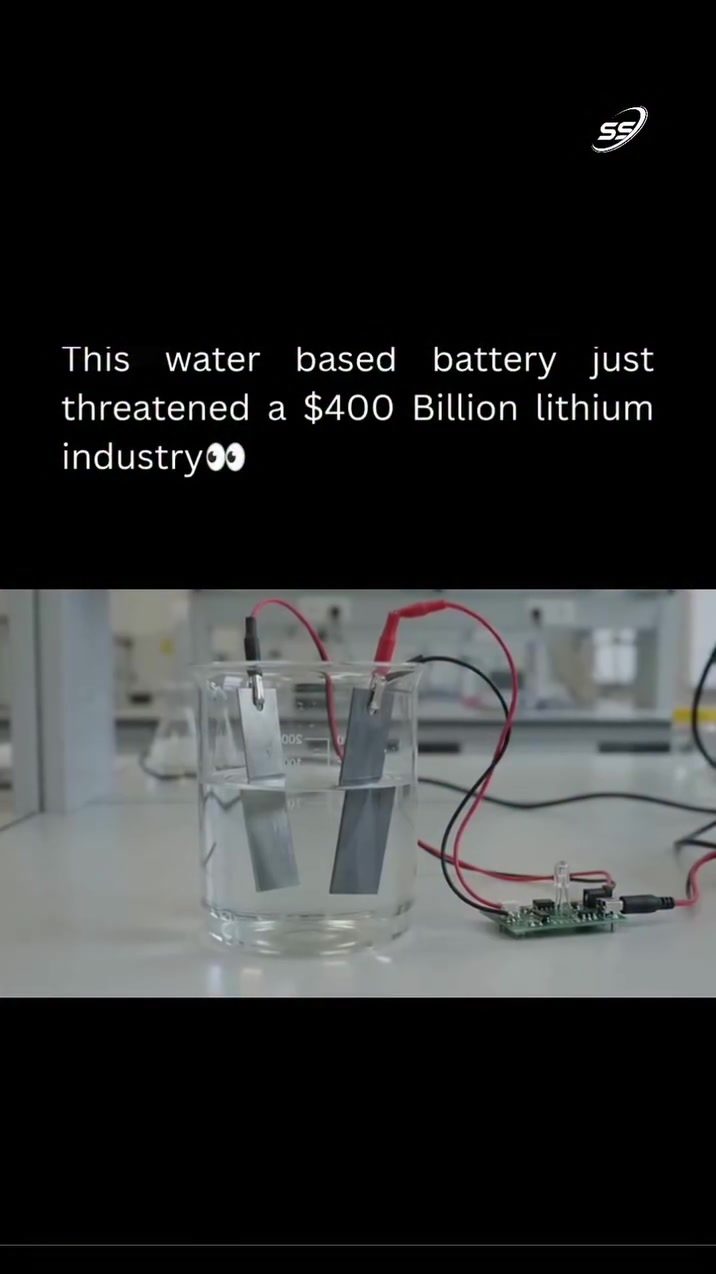
Water-Based Batteries: The Future of Energy Storage?
Water-based batteries are emerging as a revolutionary technology that could reshape the energy landscape. These batteries promise not only enhanced safety but also improved performance, potentially outpacing the current standard of lithium-ion batteries.
Why This Matters
Lithium-ion batteries are ubiquitous in our daily lives, powering everything from smartphones to electric vehicles. However, they come with a significant drawback: the risk of fire. The flammable liquid electrolyte inside these batteries can catch fire or explode under extreme heat, necessitating complex cooling and fire suppression systems. This inherent risk has long been a concern, and researchers have been actively seeking safer alternatives.
Water-based batteries address this critical issue by replacing the flammable organic electrolyte with a water-based alternative. This simple yet groundbreaking change eliminates the risk of fire, making these batteries inherently safer.
The Innovation Behind Water-Based Batteries
Safety First
The primary advantage of water-based batteries is their safety. Traditional lithium-ion batteries use organic electrolytes that are highly flammable. In contrast, water-based batteries use a water-based electrolyte, which is non-flammable. This means that even under extreme conditions, the risk of fire is significantly reduced, if not entirely eliminated. This is a game-changer for industries where safety is paramount, such as electric vehicles and grid storage.
Higher Energy Density and Longevity
Beyond safety, water-based batteries are being engineered for higher energy density and a longer lifespan. Energy density refers to the amount of energy a battery can store per unit of volume or mass. Higher energy density means that batteries can store more energy in the same space, leading to longer-lasting devices. Additionally, the new chemistry is designed to degrade slower over time, reducing the need for frequent replacements and lowering long-term costs.
Environmental and Economic Impact
The potential impact of water-based batteries on the environment and economy is immense. If this technology scales, it could revolutionize various industries, from consumer electronics to electric vehicles and grid storage. Phones, laptops, and even the grid storage systems that power entire cities could benefit from batteries that last longer, cost less to replace, and are inherently safer.
This innovation directly threatens the $400 billion lithium industry, which has long been the dominant player in the battery market. The shift towards water-based batteries could lead to a significant reduction in the demand for lithium, potentially disrupting the supply chain and creating new economic opportunities.
Practical Tips for Incorporating Water-Based Batteries
Stay Informed
Keep an eye on the latest developments in water-based battery technology. Follow reputable sources and experts in the field to stay informed about the progress and potential applications of this groundbreaking technology.
Invest in Research
If you are in the tech or energy industry, consider investing in research and development related to water-based batteries. This could be a strategic move to stay ahead of the competition and be one of the first to adopt this revolutionary technology.
Explore Partnerships
Collaborate with research institutions and startups working on water-based batteries. Partnerships can provide early access to new technologies and help you stay at the forefront of innovation.
Prepare for the Transition
Start planning for the transition to water-based batteries. This could involve updating infrastructure, training staff, and exploring new business models that take advantage of the unique properties of water-based batteries.
Important Takeaways
Water-based batteries represent a significant breakthrough in energy storage technology. They offer enhanced safety, higher energy density, and a longer lifespan, making them a compelling alternative to traditional lithium-ion batteries. As this technology matures, it has the potential to reshape various industries, from consumer electronics to electric vehicles and grid storage.
The shift towards water-based batteries could disrupt the $400 billion lithium industry, creating new opportunities and challenges. It is essential to stay informed, invest in research, explore partnerships, and prepare for the transition to fully capitalize on this groundbreaking innovation.
Conclusion
The advent of water-based batteries marks a new era in energy storage. By addressing the inherent risks of lithium-ion batteries and offering improved performance, these batteries could revolutionize the way we power our world. Embracing this technology now could position you at the forefront of the next big thing in energy storage, paving the way for a safer, more efficient future.
Watch the Reel
Questions readers ask
What makes water-based batteries safer than traditional lithium-ion batteries?
Water-based batteries use a non-flammable, water-based electrolyte, which significantly reduces the risk of fire compared to the flammable liquid electrolyte found in lithium-ion batteries. This inherent safety feature eliminates the need for complex cooling and fire suppression systems, making them a more secure option for various applications, especially in high-risk environments.
How do water-based batteries improve overall performance?
Water-based batteries aim to provide higher energy density, which means they can store more energy in a given space compared to lithium-ion batteries. This increased energy density enhances the overall performance and longevity of devices, allowing for longer usage times and potentially reducing the frequency of recharging.
What are the potential benefits of water-based batteries for the battery industry?
Water-based batteries represent a significant innovation in the battery industry. Their enhanced safety and performance capabilities can lead to more reliable and efficient energy storage solutions. This could catalyze advancements in various fields, from electric vehicles to portable electronics, by offering a long-lasting and safer alternative to existing technologies.
Are there any startups focusing on water-based battery technology?
Yes, several startups are actively exploring and developing water-based battery technology. These companies are at the forefront of innovation, driven by the potential of water-based batteries to offer a safer and more efficient energy storage solution. As the demand for safer battery alternatives grows, these startups are likely to play a crucial role in the advancement of this technology.
What is the primary advantage of water-based batteries in terms of safety?
The primary safety advantage of water-based batteries is the use of a non-flammable electrolyte. Unlike lithium-ion batteries, which use a flammable liquid electrolyte, water-based batteries minimize the risk of fire and explosions. This makes them a safer choice for applications where fire safety is a critical concern, such as in electric vehicles and large-scale energy storage systems.
In what ways does water-based battery technology differ from traditional battery chemistry?
Water-based battery technology diverges from traditional battery chemistry in its use of a non-flammable, water-based electrolyte. This fundamental difference eliminates the fire risk associated with conventional batteries. Additionally, water-based batteries aim to achieve higher energy density, potentially offering longer-lasting and more efficient performance, which sets them apart from traditional lithium-ion batteries.
How might water-based batteries impact the longevity of devices and appliances?
By providing higher energy density, water-based batteries can significantly extend the longevity of devices and appliances. This means that users can enjoy longer periods of use before needing to recharge, which is a substantial advantage over traditional lithium-ion batteries. This improvement in battery life can lead to more reliable and efficient performance in various applications.
Related deep dives
Similar reads based on topic and creator.



Recent articles
Fresh deep dives from the latest Reels we unpacked.




Comments
Be the first to comment.