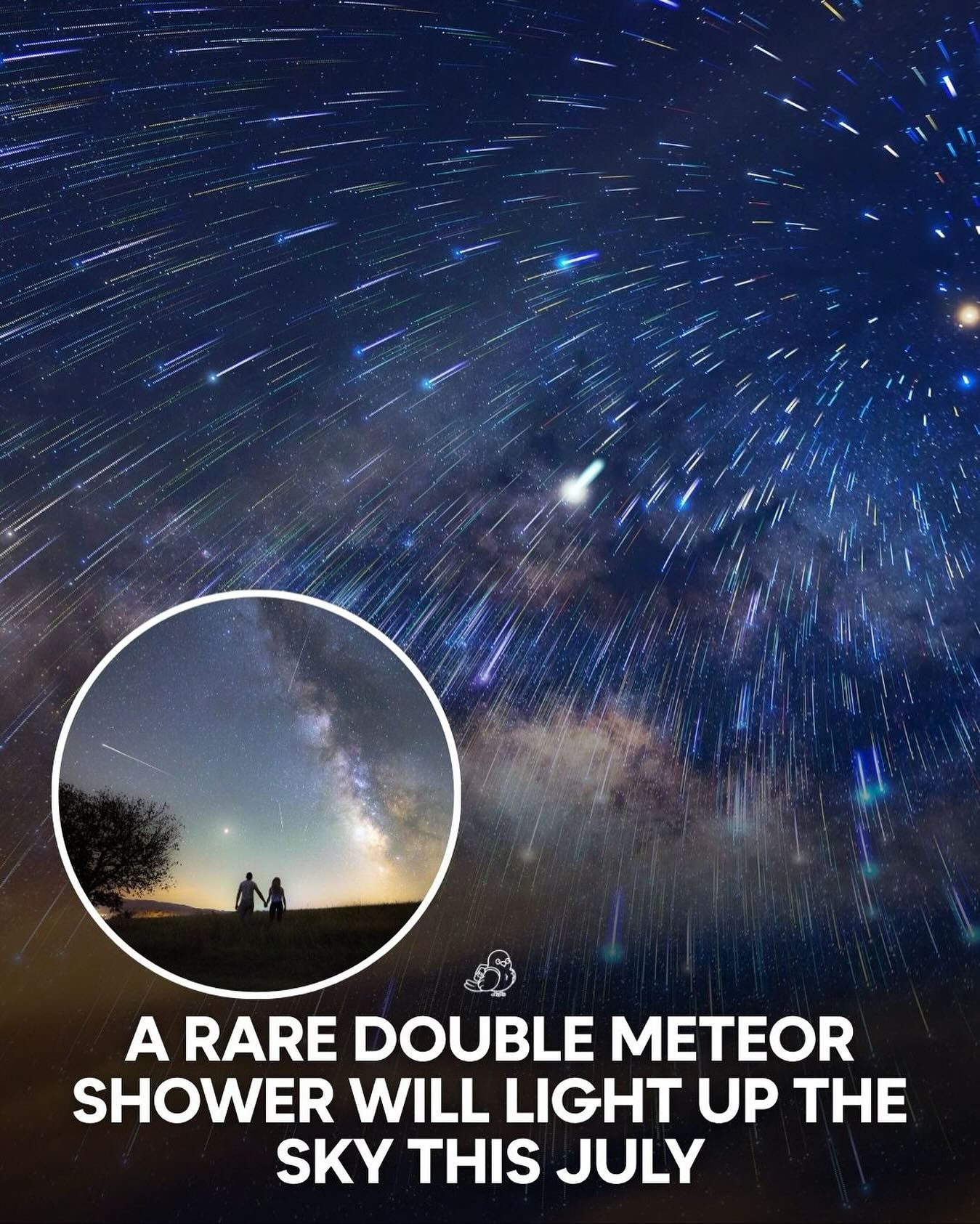
Meteors Galore: The Double Meteor Shower of July
A rare celestial event is coming up this July. The Southern Delta Aquariids and Alpha Capricornids are set to peak on the same night. The night of July 29 through the 30th will give skygazers a double dose of meteors.
Context / Why this matters
Meteor showers are nature's fireworks, and this one is a double header. The Southern Delta Aquariids and Alpha Capricornids will both peak on the night of July 29–30, creating a spectacular show.
Viewing Tips for the Double Meteor Shower
Understanding the Meteor Showers
The Southern Delta Aquariids and Alpha Capricornids are two distinct meteor showers. The Southern Delta Aquariids are known for their bright meteors and are active from mid-July to mid-August, with a peak around July 29. They produce up to 15–20 meteors per hour. The Alpha Capricornids, on the other hand, are active from mid-July to mid-August, with a peak around July 30, but produce fewer meteors. They do, however, have a higher percentage of bright fireballs.
Best Time and Place to View
Timing
The best time to view the showers is between 1–4 AM (local time) on July 30. At this time, the radiant point of the meteors will be highest in the sky, providing the best viewing conditions. Also, the moon will be in its waning crescent phase, minimizing light interference and making the meteors easier to spot.
Location
The shower will be visible from both the Northern and Southern Hemispheres, though the Southern Hemisphere will have a slightly better view. If you're in the Northern Hemisphere, it’s best to head away from city lights to a dark location.
What to Expect
During the peak, you can expect to see up to 25 meteors per hour. Some of these meteors may even turn into bright fireballs, providing a dazzling sight. Fireballs are incredibly bright meteors that often leave a trail of light and can even cast shadows.
Essentials for a Great Viewing Experience
Find a Dark Spot
Light pollution can significantly reduce the number of meteors you can see. Find a dark spot, preferably away from city lights. This will make the meteors easier to spot and the overall experience more enjoyable.
Bring a Friend
Meteor watching is a great social activity. Bring a friend or two, and share the experience. It’s always more fun to watch with someone else.
Be Patient
Meteors can be unpredictable. Sometimes you might see several in quick succession, and other times, you might have to wait a while. Be patient, and enjoy the night sky in the meantime.
Practical Tips for Stargazing
Know Your Direction
Familiarize yourself with the direction of the radiant point. For the Southern Delta Aquariids, it’s in the constellation Aquarius, while for the Alpha Capricornids, it’s in the constellation Capricornus.
Use an App
There are several stargazing apps available that can help you identify constellations and meteor showers. These apps can also provide real-time updates and notifications about meteor activity.
Be Comfortable
Stargazing often involves a lot of waiting and looking up. Make sure you’re comfortable. Bring a reclining chair, a blanket, and some snacks. The more comfortable you are, the more you’ll enjoy the experience.
Important Takeaways
This double meteor shower is a rare and magical event, so don't miss it. The best time to view the shower is between 1–4 AM on July 30. Remember to find a dark spot away from city lights for the best viewing experience.
Conclusion
The double meteor shower of July 2024 is a rare and exciting opportunity. Whether you’re a seasoned stargazer or a curious beginner, this event is not to be missed. The skies will be filled with up to 25 meteors per hour, some turning into bright fireballs. So, mark your calendars, find a dark spot, and enjoy the cosmic double feature.
Watch the Reel
Questions readers ask
What exactly is a double meteor shower?
A double meteor shower is a rare occurrence where two separate meteor showers peak within the same night or nights, making for an enhanced viewing experience with more visible meteors. In this case, the Southern Delta Aquariids and Alpha Capricornids will both peak on July 29 and 30.
Which constellations are associated with the July 29 meteor showers?
The Southern Delta Aquariids radiate from the constellation Aquarius, while the Alpha Capricornids radiate from the constellation Capricornus. However, meteors can appear anywhere in the sky, so it's best to look generally towards the southern sky.
How can I maximize my chances of seeing the double meteor shower?
Find a dark location away from city lights, lie down and look up at a wide area of the sky, and give your eyes at least 20 minutes to adjust to the darkness. The best time to look for meteors is after midnight, especially on the 29th and 30th of July.
Will the double meteor shower be visible from both hemispheres?
Yes, both the Southern Delta Aquariids and Alpha Capricornids can be seen from both the Northern and Southern Hemispheres. However, the Southern Hemisphere will have a better view, with up to 25 meteors per hour visible under optimal conditions.
What makes the Alpha Capricornids special?
The Alpha Capricornids are known for producing bright, slow-moving meteors, some of which can be exceptionally bright. These fireballs are created by larger particles of debris entering the Earth's atmosphere, and can leave a glowing trail across the sky.
What causes a meteor shower?
Meteor showers occur when the Earth passes through the trail of debris left behind by a comet or asteroid. The particles, often no larger than a grain of sand, burn up as they enter the atmosphere, creating the streaks of light we see as shooting stars. The Southern Delta Aquariids and Alpha Capricornids are associated with Comet 96P/Machholz and the asteroid 168P/Hergenrother respectively.
Can I view the July meteor showers from a city?
Viewing meteor showers from a city can be challenging due to light pollution, but it's not impossible. While the view won't be ideal, you can still try to view them from a darker spot in the city. If possible, try to get away from city lights for a better experience.
Recent articles
Fresh deep dives from the latest Reels we unpacked.




Comments
Be the first to comment.