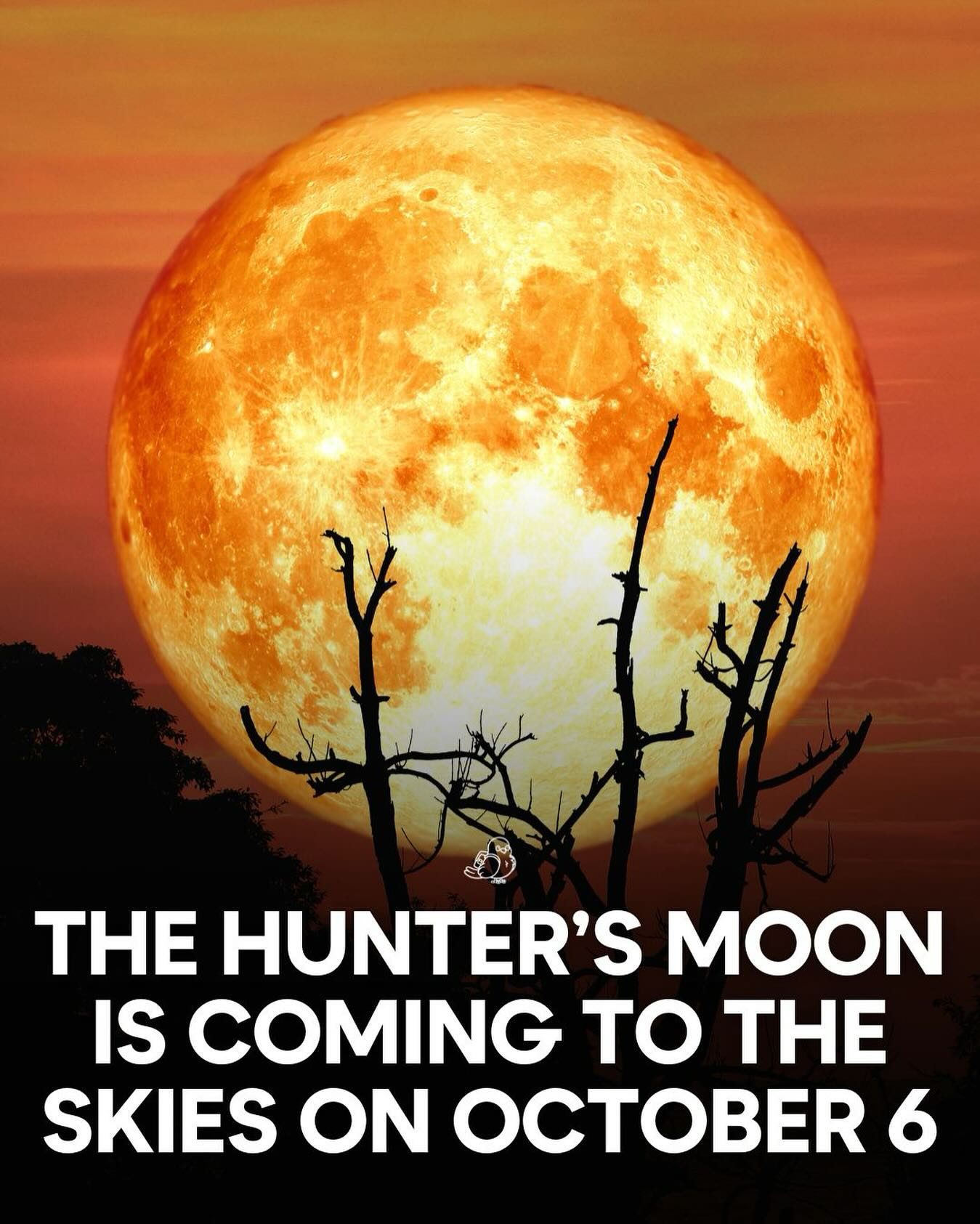
The Hunter's Moon will fill the night sky with its golden glow on the evening of October 6. This full moon, known as the Hunter’s Moon, is the first full moon of autumn. It carries a rich history, with names originating from both Native American and European cultures. Traditionally, this moon marked a crucial time for hunting and preparing for the winter months ahead under the bright moonlight.
Why This Matters
Stargazing and moon-watching are universal human experiences that connect us to the vastness of the cosmos. The Hunter's Moon is particularly special because of its vibrant orange hue and its appearance just after sunset. It provides a unique opportunity for both casual observers and photography enthusiasts to capture stunning images of the night sky.
The Hunter’s Moon is not only a beautiful sight but also a practical one for those who depend on the moon's light for activities like hunting. Historically, this moon aided in hunting and gathering food for the winter. The bright light extended over several nights, providing ample time to prepare for the colder months.
The Hunter’s Moon: A Detailed Look
November Moonrise and Golden Glow
The Hunter's Moon will appear brighter and larger than usual, making it a sight to behold. Its golden glow is due to its low position on the horizon, which filters the light through more of Earth’s atmosphere, giving it a warm, orange hue. This effect is most noticeable just after sunset, creating a stunning visual spectacle.
What Makes It Special?
Unlike other full moons, the Hunter’s Moon rises around the same time for several nights in a row. This consistent timing provides multiple opportunities for viewing and photography. The moon's appearance just after sunset, combined with its vibrant color, makes it a favorite among photographers and stargazers alike.
Hunter’s Moon and Cultural Significance
The name “Hunter’s Moon” comes from the tradition of using the bright moonlight for hunting and preparing for winter. This full moon was particularly important for farmers and hunters, as it allowed them to gather food and supplies under the extended light of the moon. The Hunter’s Moon provided essential visibility for these critical activities, ensuring that communities could store enough food to survive the winter.
Visibility and Best Viewing Times
This year, the Hunter’s Moon will be visible across the U.S. and much of the world. The best time to view the moon is just after moonrise on October 6. This is when the moon will be at its brightest and most vibrant. If you're planning to take photographs, use a camera with a long exposure setting to capture the moon's details and the surrounding landscape.
Practical Tips
Finding the perfect spot to view the Hunter's Moon can greatly enhance your experience. Here are some tips for making the most of this celestial event:
Location
Choose a location with minimal light pollution. Darker skies will allow you to see the moon more clearly. If you’re in an urban area, head to a nearby park or open field. For the best views, consider driving to a rural area where the sky is free from city lights.
Equipment
While a telescope can provide a detailed view, a pair of binoculars or even a good camera with a telephoto lens can give you a fantastic close-up. If you're planning to photograph the moon, make sure your camera has a long exposure setting and a tripod to keep it steady.
Timing
The Hunter’s Moon will rise just after sunset, but it will appear brightest and largest shortly after. Plan to arrive at your viewing spot well before sunset so you can catch the moon as it ascends into the sky. Enjoy the gradual shift from twilight to full moonlight. Keep in mind that you will have a few more opportunities to view it with a similar brightness and timing over a few nights, so if you miss the exact sunset, don't worry!
Important Takeaways
The Hunter's Moon offers a unique opportunity to appreciate the beauty and cultural significance of the night sky. Its vibrant orange glow, historical importance, and multiple viewing nights make it a celestial event worth observing.
For those interested in astrophotography, the Hunter’s Moon provides an excellent subject. Its low position on the horizon and extended brightness make it a great target for capturing stunning images of the moon and its surroundings.
The Hunter’s Moon is a reminder of how celestial events have influenced human activities and traditions. It highlights the importance of the night sky in both practical and cultural contexts, connecting us to our past and the natural world.
Conclusion
The Hunter’s Moon is a breathtaking celestial event that offers a rich tapestry of natural beauty and cultural history. Whether you’re an avid stargazer or a casual observer, taking the time to view this full moon will be a rewarding experience. Make sure to mark your calendar for October 6 and find a spot with minimal light pollution to fully appreciate the golden glow of the Hunter’s Moon.
Watch the Reel
Questions readers ask
What is the Hunter's Moon and why is it significant?
The Hunter's Moon is the first full moon of autumn, occurring on October 6. It's significant because it traditionally marked a crucial time for hunting and preparing for winter. Its golden hue and positioning in the sky at sunset make it a popular sight for sky watchers and photographers.
When is the best time to see the Hunter's Moon on October 6?
The Hunter's Moon will rise in the eastern sky shortly after sunset. For the best viewing experience, find an open area with a clear view of the horizon. The moon will appear large and golden as it ascends, providing a vibrant display.
What causes the vibrant orange hue of the Hunter's Moon?
The vibrant orange hue is due to the moon's position in the sky at sunset. The light from the moon passes through more of Earth's atmosphere at this angle, scattering the shorter blue and green wavelengths and allowing the warmer colors like orange and red to reach our eyes.
Will the Hunter's Moon be the brightest moon of the year?
The Hunter's Moon will be bright, but it won't necessarily be the brightest moon of the year. The perceived brightness can vary based on atmospheric conditions and the moon's proximity to Earth. However, its timing just after sunset makes it a notable sight.
How can I capture good photos of the Hunter's Moon?
For photographing the Hunter's Moon, use a camera with manual settings. A tripod is recommended to keep the camera steady during long exposures. Experiment with different shutter speeds and ISO settings to capture the moon's vibrant colors and details.
What is the Hunter's Moon's visibility like in October 2022?
The Hunter's Moon will be visible throughout the night of October 6 and into the early morning hours. Its golden glow will be more visible just after sunset and in the early evening hours, making it a prime time for observation and photography.
Why is the Hunter's Moon important in different cultures?
The Hunter's Moon holds significance in both Native American and European cultures. It was traditionally seen as a time to hunt and prepare for the winter months, with the bright moonlight aiding in nocturnal activities. The moon's appearance marked a turning point in the seasons and influenced cultural practices and traditions.
Related deep dives
Similar reads based on topic and creator.




Recent articles
Fresh deep dives from the latest Reels we unpacked.




Comments
Be the first to comment.