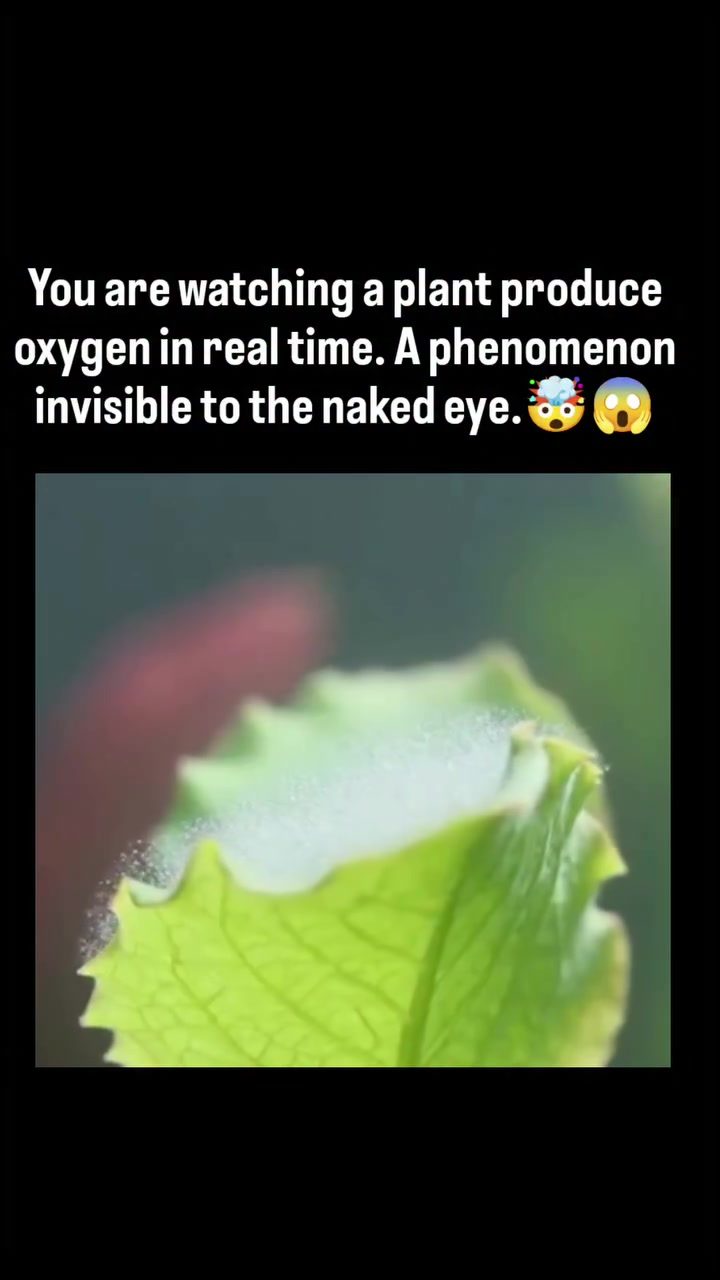
Plant Producing Oxygen
Plants are essential to life on Earth, and one of their most critical functions is producing oxygen. This process, known as photosynthesis, is a fascinating biological mechanism that converts carbon dioxide into oxygen using sunlight. Let's delve into the intricacies of how plants, particularly aquatic plants like Elodea, produce oxygen and why this process is so vital.
Why This Matters
The oxygen produced by plants is crucial for the survival of all aerobic organisms, including humans. Understanding how plants generate oxygen can help us appreciate the natural processes that sustain life on Earth. This knowledge also has practical applications in fields like botany, ecology, and environmental science, aiding in the conservation and management of natural ecosystems.
Main Discussion
The Process of Photosynthesis
Photosynthesis is the process through which plants convert light energy, usually from the sun, into chemical energy in the form of glucose, or sugar. This process occurs in two main stages: the light-dependent reactions and the Calvin cycle.
Light-Dependent Reactions
During the light-dependent reactions, plants use chlorophyll and other pigments to absorb light energy. This energy is used to split water molecules, releasing oxygen as a byproduct. The oxygen is then released into the atmosphere, while the remaining hydrogen combines with carbon dioxide to form glucose.
The Calvin Cycle
The Calvin cycle, also known as the light-independent reactions, uses the energy from the light-dependent reactions to convert carbon dioxide into glucose. This cycle is essential for the plant's growth and development, as glucose serves as the primary energy source.
Aquatic Plants and Oxygen Production
Aquatic plants, such as Elodea, are particularly effective at demonstrating the process of photosynthesis. These plants are often used in science experiments because they can be easily observed under strong light, making the process of oxygen production visible.
Elodea: A Model Aquatic Plant
Elodea is a popular choice for educational demonstrations due to its ability to produce oxygen efficiently. Under strong light, the process of photosynthesis in Elodea speeds up, allowing us to witness the tiny bubbles of oxygen being released from the leaves. This visual representation makes it easier to understand the intricate process of oxygen production.
The Role of Carbon Dioxide
Carbon dioxide is a critical component in the photosynthesis process. Plants absorb carbon dioxide from the air through tiny openings on their leaves called stomata. This carbon dioxide is then used in the Calvin cycle to produce glucose, which the plant uses for energy and growth.
Practical Tips
While observing plants like Elodea in action can be fascinating, there are practical ways to incorporate this knowledge into everyday life:
- Planting Trees and Gardens: Planting more trees and maintaining gardens can help increase the amount of oxygen in the air, contributing to better air quality and a healthier environment.
- Aquaponics: Aquaponics is a sustainable method of farming that combines fish farming with hydroponics, the practice of growing plants without soil. In an aquaponic system, plants and fish live in a symbiotic relationship, and the plants help to clean the water for the fish by absorbing the nutrients they produce.
- Indoor Plants: Indoor plants can improve indoor air quality by converting carbon dioxide into oxygen. They can also help to reduce stress and improve overall well-being.
- Urban Green Spaces: Creating and maintaining urban green spaces, such as parks and community gardens, can help to mitigate the effects of urbanization and pollution. These spaces provide valuable habitats for plants and animals and contribute to the overall health of the ecosystem.
Important Takeaways
Photosynthesis is a fundamental process that sustains life on Earth. By understanding how plants produce oxygen, we can appreciate the natural mechanisms that support our environment and take practical steps to enhance our own well-being and that of the planet. Plants like Elodea serve as excellent models for observing and studying this vital process, making it accessible and understandable for everyone.
Conclusion
The process of oxygen production in plants is a marvel of nature, essential for the survival of all aerobic organisms. By understanding and appreciating this process, we can take actions to support and preserve the natural ecosystems that sustain us. Whether through planting more trees, maintaining gardens, or utilizing sustainable farming practices, there are numerous ways to contribute to a healthier, more oxygen-rich environment.
Watch the Reel
Questions readers ask
What makes Elodea a good subject for observing photosynthesis in real time?
Elodea is an ideal plant for observing photosynthesis in real-time due to its transparency and the visible bubbles of oxygen it produces during the process. These bubbles make it easy to see the oxygen production process as it happens, providing a clear demonstration of how aquatic plants generate oxygen.
How does the process of photosynthesis work in aquatic plants like Elodea?
In aquatic plants like Elodea, photosynthesis involves converting carbon dioxide and water into glucose (a type of sugar) and oxygen using the energy from sunlight. This process occurs in two stages: the light-dependent reactions and the light-independent reactions, also known as the Calvin cycle. Oxygen is released as a byproduct, which is essential for sustaining life on Earth.
Can you see oxygen bubbles in all plants during photosynthesis?
While all plants produce oxygen during photosynthesis, not all plants show visible oxygen bubbles. This is often due to differences in plant structure and the environment in which they live. Aquatic plants like Elodea are particularly good for observing because the oxygen bubbles are easily visible in water. Land plants, on the other hand, often release oxygen into the air in a less noticeable way.
Why is watching photosynthesis in real-time important?
Watching photosynthesis in real-time is important because it offers a tangible way to understand a complex biological process. By observing the immediate effects of light and carbon dioxide on oxygen production, viewers can gain a deeper appreciation for the role of plants in sustaining life on Earth. This can also inspire interest in environmental science and conservation efforts.
What factors can affect the rate of oxygen production in Elodea?
Several factors can influence the rate of oxygen production in Elodea, including the intensity and availability of light, the concentration of carbon dioxide, and the temperature of the water. Optimal conditions for photosynthesis typically include bright light, adequate carbon dioxide, and moderate temperatures. Any deviations from these conditions can slow down or speed up the process.
Related deep dives
Similar reads based on topic and creator.



Recent articles
Fresh deep dives from the latest Reels we unpacked.




Comments
Be the first to comment.