Toxic Waste Recycling to Create Thermal Batteries
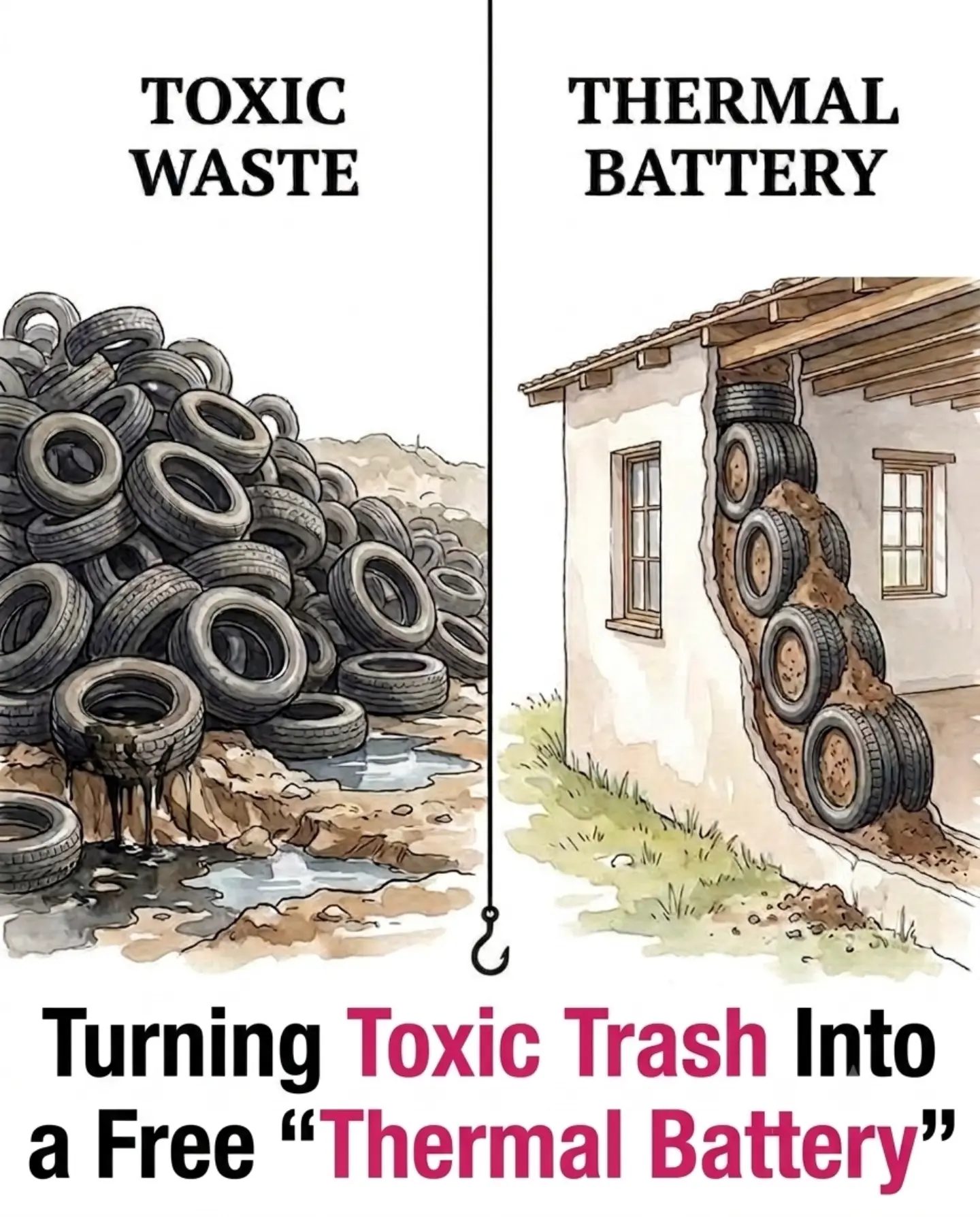
Toxic waste recycling is a critical environmental challenge, but innovative solutions are emerging to transform hazardous materials into usable energy. One such solution involves using discarded tires to create a "thermal battery," a concept highlighted in Earthships—completely off-grid, self-sustaining homes.
Why This Matters
The global waste problem, particularly the accumulation of discarded tires and toxic waste, poses significant environmental and health risks. Traditional landfill methods are not sustainable, and finding effective ways to recycle these materials is crucial. The transformation of toxic waste into thermal batteries offers a dual benefit: it reduces waste and provides a renewable energy source.
The Core Concept: Earthships and Thermal Batteries
What Are Earthships?
Earthships are designed to be entirely off-grid and self-sustaining, utilizing passive solar heating and cooling. These homes are built using recycled materials, including tires, which are stacked and packed with damp soil (rammed earth). This method creates dense, heavy walls that act as thermal mass, absorbing and radiating heat to regulate indoor temperature.
The Thermal Battery System
How It Works
The thermal battery system in Earthships uses discarded tires as a key component. Here's a step-by-step breakdown of how it functions:
- Stacking Tires: Used tires are stacked like bricks, creating a solid structure.
- Rammed Earth: The tires are packed tightly with damp soil, which hardens over time.
- Plaster Encasing: A thick layer of plaster is applied to the exterior to seal the tires and prevent any off-gassing.
Daytime Cooling
During the day, the dense, heavy walls of the thermal battery absorb the sun's heat, keeping the indoor air cool. This passive cooling system reduces the need for traditional air conditioning and minimizes energy consumption.
Nighttime Heating
As the temperature drops outside, the walls slowly radiate the stored heat back into the house, providing a natural and efficient heating solution. This process ensures a comfortable indoor environment without relying on fossil fuels or electricity.
Pros and Cons of Thermal Batteries
Advantages
- Free Materials: Using discarded tires diverts massive waste from landfills, turning a problem into a resource.
- Earthquake Proof: Heavily rammed tires create incredibly dense and resilient walls, making the structure highly durable and resistant to earthquakes.
- Zero Emissions: The thermal battery system heats and cools the home without electricity, resulting in zero emissions and a reduced carbon footprint.
Obstacles
- Brutal Labor: Pounding dirt into tires by hand is physically demanding and labor-intensive.
- Code Issues: Obtaining building permits for tire walls can be notoriously difficult due to strict building codes and regulations.
- Aesthetics: While functional, the thick plaster required to ensure no tire smell or off-gassing can affect the overall aesthetics of the building.
Practical Tips for Building a Thermal Battery System
Material Selection
Choose used tires that are in good condition and free from significant wear or damage. Ensure the soil used for ramming is damp but not waterlogged, as excess moisture can affect the structural integrity of the walls.
Construction Techniques
- Stacking: Stack the tires in a staggered pattern to create a stable and interlocking structure.
- Ramming: Use a manual or mechanical rammer to pack the soil tightly into the tires. This process requires physical strength and endurance.
- Plastering: Apply a thick layer of plaster to the exterior of the tire walls. Allow the plaster to dry completely before applying additional coats.
Building Permits
Check local building codes and regulations to ensure compliance. Consult with a structural engineer to design a safe and stable thermal battery system. Be prepared to provide detailed plans and specifications to obtain the necessary permits.
Maintenance
Regularly inspect the thermal battery walls for any signs of damage or wear. Ensure the plaster remains intact and free from cracks or holes. Address any issues promptly to maintain the structural integrity and energy efficiency of the system.
Important Takeaways
- Sustainability: Transforming toxic waste into thermal batteries is a sustainable solution that reduces environmental impact.
- Efficiency: The thermal battery system provides natural heating and cooling, minimizing energy consumption and reducing operational costs.
- Resilience: The dense, heavy walls of the thermal battery system offer enhanced durability and resistance to natural disasters.
Conclusion
Recycling toxic waste to create thermal batteries is an innovative and practical solution for addressing environmental challenges. By incorporating discarded tires into Earthships, we can build off-grid, self-sustaining homes that provide efficient heating and cooling while reducing waste. The thermal battery system offers numerous benefits, including sustainability, efficiency, and resilience. However, it also presents challenges, such as labor-intensive construction and regulatory hurdles. With careful planning and execution, the thermal battery system can be a viable and impactful solution for a greener future.
Watch the Reel
Questions readers ask
What are thermal batteries and how are they related to tire waste management?
Thermal batteries are systems designed to store thermal energy, which can be used for various heating applications. In the context of tire waste management, thermal batteries are created using recycled tire materials, providing a sustainable way to handle tire waste while generating useful energy.
How do thermal batteries contribute to sustainable off-grid homes like Earthships?
In Earthships, thermal batteries made from recycled tires serve as a crucial component for heating and maintaining comfortable temperatures. These batteries store thermal energy, which can be used as needed, reducing the necessity for traditional heating systems and external energy sources.
What are the benefits of using tire-derived fuel in thermal batteries?
Tire-derived fuel (TDF) is a cost-effective and eco-friendly alternative to traditional fuels. When used in thermal batteries, TDF helps to reduce waste, lower greenhouse gas emissions, and provide a reliable source of thermal energy for various applications, including off-grid heating systems.
How are rammed tire walls integrated into Earthship homes and thermal battery systems?
Rammed tire walls are constructed by filling old tires with compacted earth and stacking them to form sturdy, insulating walls. These walls are integral to Earthship homes as they provide thermal mass, helping to regulate indoor temperatures and work in conjunction with thermal batteries to create an efficient heating system.
What are the advantages of thermal energy storage in off-grid living?
Thermal energy storage systems, like those found in Earthships, allow for the collection and storage of heat generated from various sources, including solar and recycled tire fuel. This stored thermal energy can be used to maintain comfortable living conditions, even during periods without direct sunlight or other traditional power sources, making it ideal for off-grid living.
How does thermal battery efficiency impact the sustainability of waste to energy solutions?
The efficiency of thermal batteries directly affects the sustainability of waste to energy solutions. High-efficiency thermal batteries ensure that more of the waste-derived energy is captured and utilized, minimizing waste and maximizing energy output, thus supporting both waste management and renewable energy goals.
What are some challenges associated with transforming toxic tires into thermal batteries?
Transforming toxic tires into thermal batteries involves overcoming technical challenges such as ensuring the safe handling and processing of hazardous materials, optimizing the thermal efficiency of the batteries, and developing cost-effective recycling methods. Additionally, there are regulatory and logistical hurdles related to waste management and energy production.
Recent articles
Fresh deep dives from the latest Reels we unpacked.




Comments
Be the first to comment.