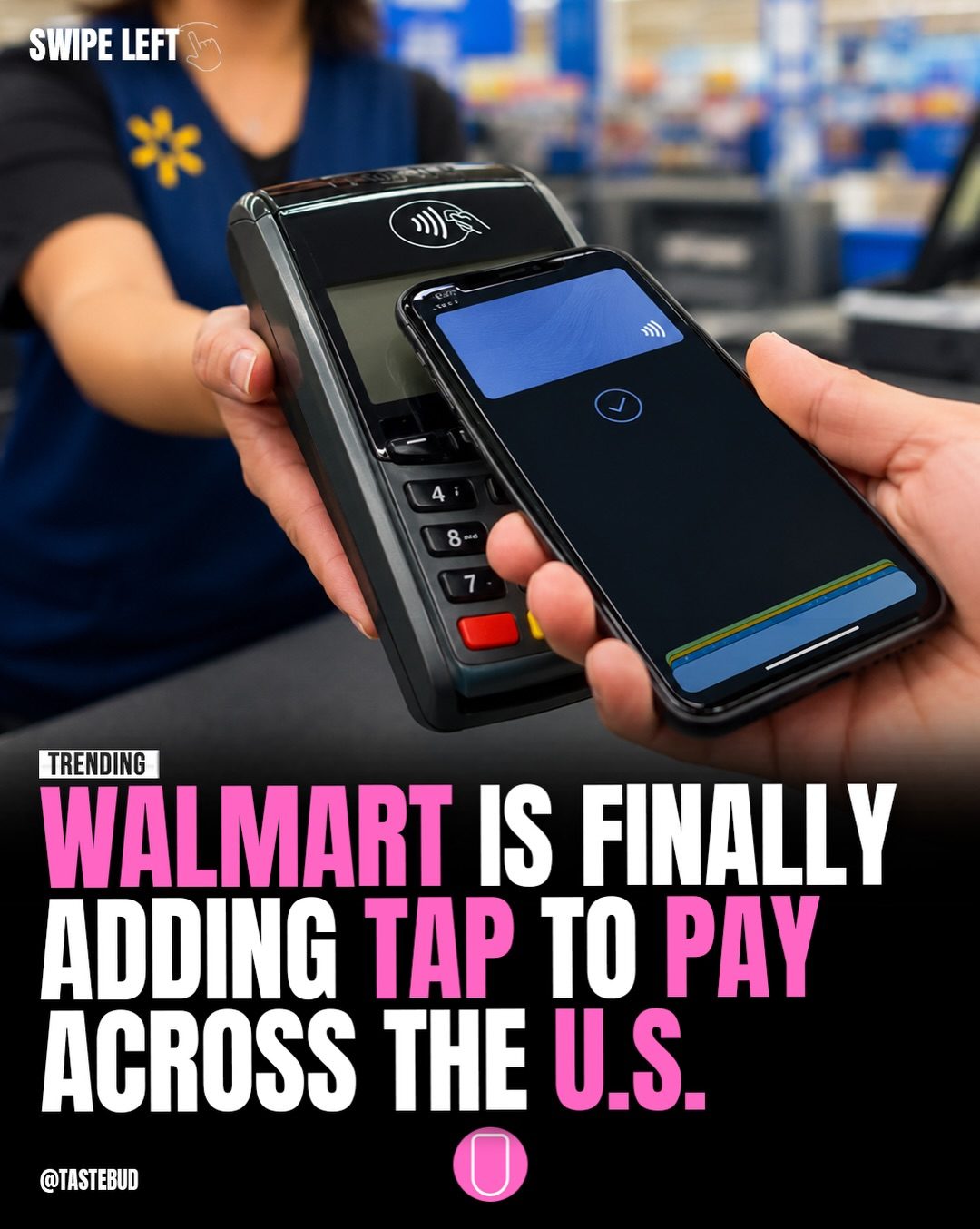
Transitions at checkouts at Walmart
Walmart’s checkout process has undergone significant changes in recent years. The biggest shift is in 2022 when Walmart has been adding tap-to-pay capabilities in the U.S. This move ushers in a new era for many Americans. It marks a broader trending shift in the retail industry. Contactless payment terminals are more secure, faster, and cleaner. New terminals use tokenization and encryption to protect customer data. This makes it easier for customers to use Apple Pay and Google Pay at checkout. Walmart is making contactless payment convenient — or at least eliminating the friction that slow down consumers. There is an irony. Walmart first stated this upgrade in 2020. What took another two years to implement? The pandemic made expediting the transition wasn’t an option. There is no specific explanation for the delay.
How tap-to-pay works
For consumers, the key point is: tap-to-pay is easy. It works with any smartphone that can do contactless payments. There are two key buttons on the terminals — Accept or Cancel. For consumers, tap-to-pay is easier and more flexible. It optimizes the checkout experience. That's precisely why customers are likely fans of this innovation. Retailers, on the other hand, stand to save time and money with tap-to-pay. The new terminals are nimble, easier for staff to handle, and faster for customers to use.
The business benefits of tap-to-pay
It is inconvenient to carry a Walmart card in customer wallet or purse. But carrying a credit card is expected. So loyal customers are likely to ditch their paper membership cards and switch to digital in favor of contactless payments. Contactless payments are better for consumers, for staff, and for operations. Contactless payments are faster. The payment process takes a single, quick tap. It's quicker than using traditional cards, and it's more secure, too. Customers aren't swiping their physical card, so their personal information is safer. It's also more hygienic. Fewer people are handling the terminal, so the risks of transmission are lower. Fewer transactions mean less time spent at the register, and less time spent at the register means happier customers. It gives the retailer the opportunity to decrease the queue length.
Will other retailers follow suit?
The coming years will see more stores following Walmart’s lead. The shift to tap-to-pay is growing, and it’s likely that other business will want to offer the same convenience and safety that tap-to-pay provides.
Watch the Reel
Related deep dives
Similar reads based on topic and creator.


Recent articles
Fresh deep dives from the latest Reels we unpacked.




Comments
Be the first to comment.