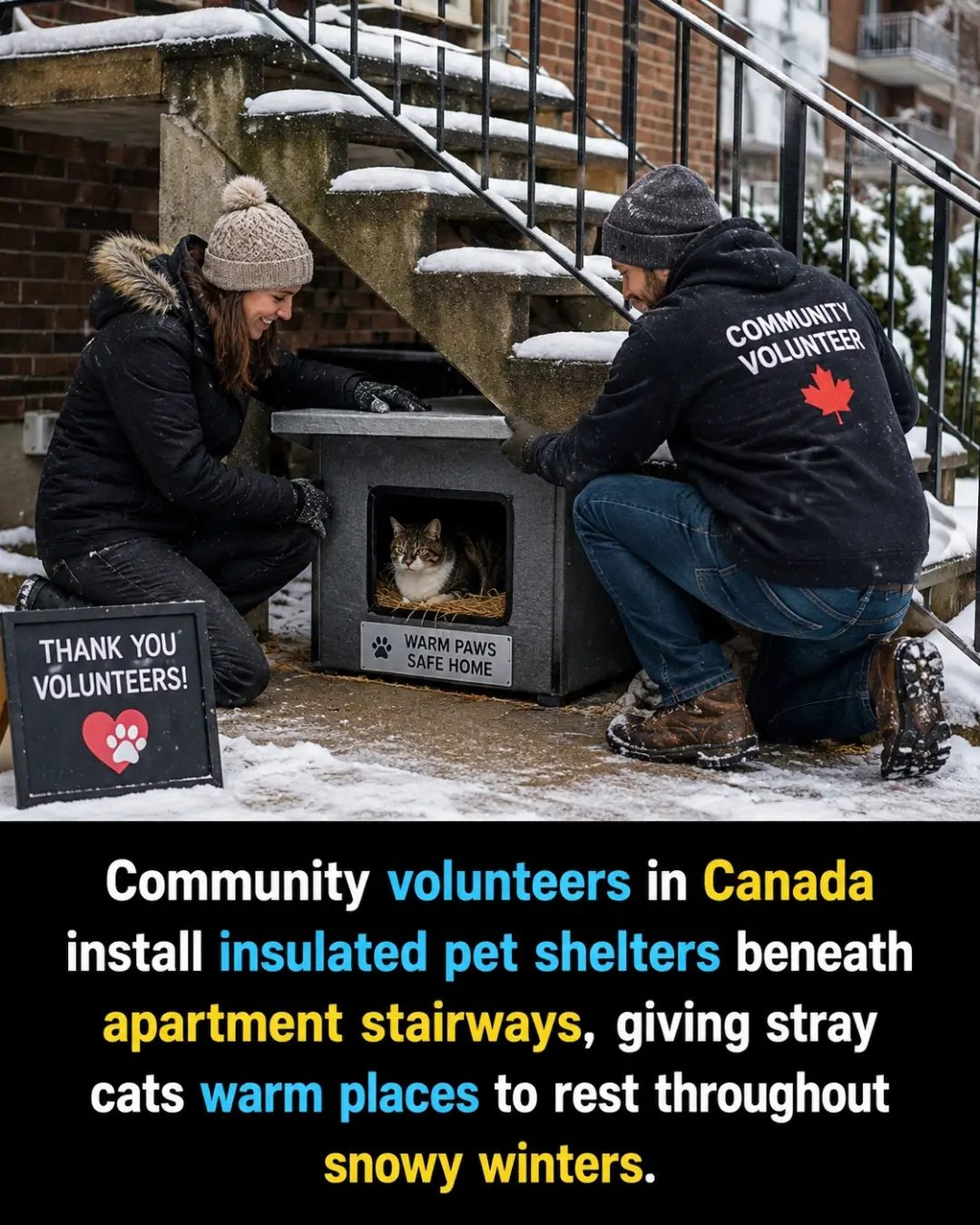
Pet Shelters for Stray Cats in Cold Weather
Pet shelters, especially during harsh winter months, are essential for providing stray cats with a safe and warm place to rest. This is particularly important in regions with cold winters, such as Canada, where temperatures can drop significantly. These shelters not only offer protection from the elements but also contribute to the overall welfare of stray cats in the community.
Why Pet Shelters Matter
Pet shelters play a crucial role in the welfare of stray cats, particularly in cold regions. During winter, stray cats face numerous challenges, including extreme cold, snow, and reduced food availability. Without adequate shelter, these cats are at risk of hypothermia, frostbite, and other health issues. By providing insulated pet shelters, communities can significantly improve the quality of life for stray cats, ensuring they have a warm and safe place to rest throughout the winter months.
Installation and Design of Pet Shelters
Site Selection
The placement of pet shelters is critical for their effectiveness. Ideally, shelters should be installed in areas that provide some natural protection from the elements, such as beneath apartment stairways, in alleyways, or near buildings. These locations offer a degree of shelter from wind and snow, making them ideal for stray cats seeking refuge.
Design Considerations
Pet shelters should be designed to provide maximum insulation and warmth. A typical shelter is a wooden box with a roof, featuring insulation material such as straw, blankets, or specialized insulating foam. The roof helps to protect the interior from snow and rain, while the insulation retains heat, keeping the cats warm even in the coldest temperatures. The entrance should be small enough to prevent larger animals from entering but large enough for cats to comfortably access the shelter.
Community Involvement
The installation of pet shelters often involves community volunteers who play a vital role in ensuring the success of these initiatives. Volunteers not only help with the physical installation of the shelters but also spread awareness about the importance of providing warm places for stray cats. Community involvement fosters a sense of responsibility and compassion towards stray animals, encouraging more people to contribute to their welfare.
Materials and Supplies
When building pet shelters, it's important to use durable and weather-resistant materials. Wood is a common choice for the shelter's structure due to its insulation properties and durability. The roof can be made from plywood or corrugated metal to provide additional protection from the elements. Insulation materials such as straw, blankets, or specialized insulating foam help retain heat inside the shelter. Additionally, waterproof sealants can be used to protect the shelter from moisture and extend its lifespan.
Practical Tips for Building and Maintaining Pet Shelters
When building and maintaining pet shelters, there are several practical tips to keep in mind:
Location Matters
Choose a location that provides natural protection from the elements, such as beneath stairways or in alleyways. This helps to shield the shelter from wind and snow, making it more comfortable for the cats.
Use Quality Materials
Invest in durable, weather-resistant materials for the structure of the shelter. Wood is a good choice for the frame, and plywood or corrugated metal can be used for the roof. Ensure that the materials are treated to withstand moisture and harsh weather conditions.
Insulate Effectively
Insulation is crucial for keeping the shelter warm. Use materials like straw, blankets, or specialized insulating foam to retain heat inside the shelter. The insulation should be placed around the walls and floor to provide maximum warmth.
Regular Maintenance
Regularly check the shelter for any signs of damage or wear. Repair any issues promptly to ensure the shelter remains effective and safe for the cats. Cleaning the shelter periodically can also help maintain its hygiene and comfort.
Community Support
Engage with the local community to garner support for the initiative. Volunteers can help with building, installing, and maintaining the shelters. Community involvement not only provides practical assistance but also raises awareness about the importance of caring for stray animals.
Important Takeaways
Building and installing pet shelters is a valuable initiative that significantly benefits stray cats, especially during harsh winter months. By providing warm and safe places for stray cats to rest, communities can improve the overall welfare of these animals. Key takeaways from this initiative include the importance of proper site selection, using quality materials, effective insulation, and regular maintenance. Community involvement is also crucial for the success and sustainability of such initiatives.
Conclusion
Pet shelters are a critical component of animal welfare, particularly in cold regions where stray cats face significant challenges. By installing insulated shelters in strategic locations, communities can provide these cats with a warm and safe place to rest during the winter. The involvement of volunteers and community members is essential for the success of these initiatives. When building and maintaining pet shelters, it's important to use quality materials, ensure effective insulation, and conduct regular maintenance. Through collective effort and care, communities can make a meaningful difference in the lives of stray cats, providing them with the comfort and safety they need to survive the winter months.
Watch the Reel
Questions readers ask
Who typically installs pet shelters for stray cats in Canada?
Volunteers in Canada are the primary individuals who install pet shelters for stray cats. These volunteers are committed to improving the welfare of stray cats in their communities, especially during harsh winter conditions.
How do pet shelters help stray cats in cold weather?
Pet shelters provide stray cats with a warm and safe place to rest and escape from harsh winter conditions. These shelters are designed with insulation and placed strategically to protect cats from extreme cold, snow, and other weather elements.
What materials are usually used for outdoor cat shelters?
Outdoor cat shelters are often made from sturdy, insulating materials such as wood, which helps to retain warmth. Some shelters may also include additional insulation materials to ensure the cats stay warm in cold weather.
How do volunteers decide where to place cat shelters?
Volunteers strategically place cat shelters in areas where stray cats are known to congregate, such as alleys, parks, and other community spaces. The goal is to provide easy access to these shelters for the cats, ensuring their safety and comfort during the winter.
What are some challenges stray cats face during winter?
Stray cats in winter face numerous challenges, including extreme cold, heavy snowfall, and reduced availability of food and water. Without adequate shelter, these cats are at significant risk of health issues like hypothermia and frostbite.
How can community members support volunteer pet projects?
Community members can support volunteer pet projects by donating materials for shelter construction, such as wood or insulation, or by volunteering their time to help build and install the shelters. Financial contributions are also welcome to cover necessary supplies.
What impact do pet shelters have on community cat initiatives?
Pet shelters significantly benefit community cat initiatives by providing a practical solution to the challenges faced by stray cats. These initiatives help improve the overall welfare of these cats by ensuring they have access to safe, warm shelters in their communities.
Recent articles
Fresh deep dives from the latest Reels we unpacked.




Comments
Be the first to comment.