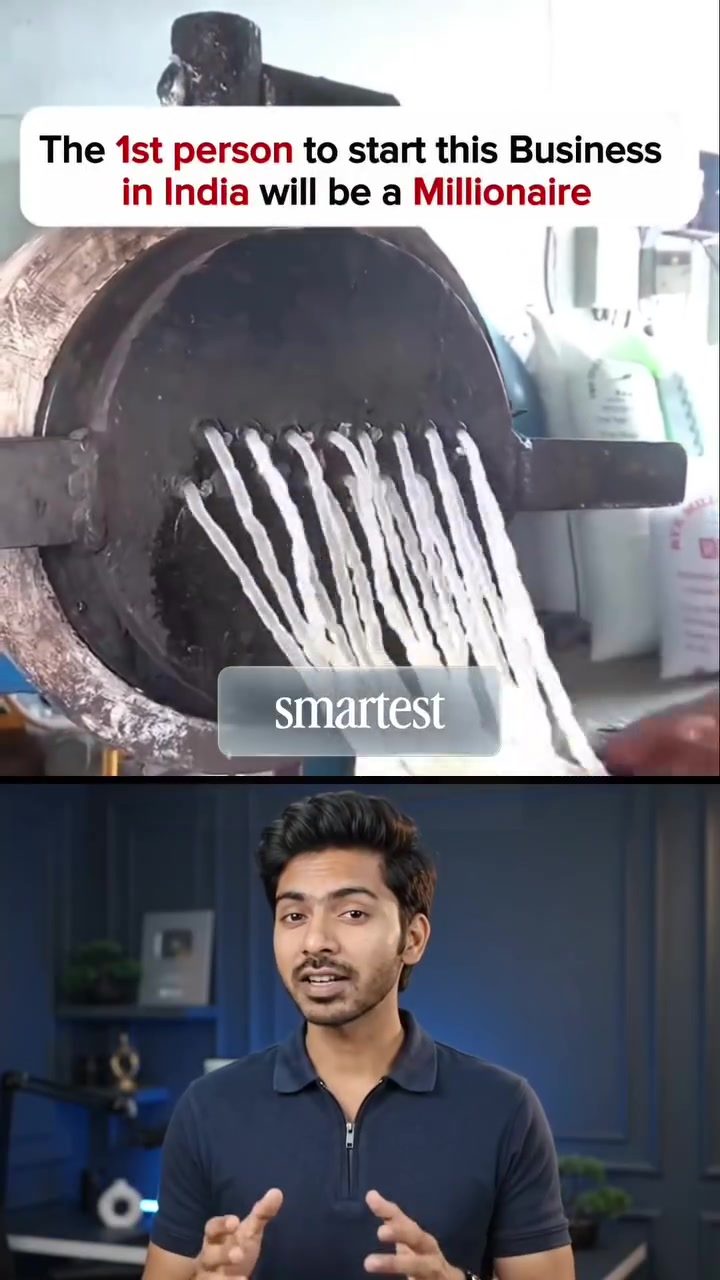
Sustainable Packaging Solutions with Vivomer: The Future of Plastic Alternatives
Vivomer is a revolutionary innovation in the world of sustainable packaging. This bioplastic material is designed to look and feel like conventional plastic but is completely biodegradable, disappearing within 30 days. Unlike traditional plastics, Vivomer does not produce microplastics, making it an environmentally friendly alternative.
Vivomer: The Future of Sustainable Packaging
Vivomer is made from food waste, sugarcane, and agricultural leftovers, which are converted into PHA polymers. This makes it a sustainable solution for industries that rely heavily on packaging, such as FMCG (Fast-Moving Consumer Goods) and D2C (Direct-to-Consumer) brands. One of the most notable aspects of Vivomer is its compatibility with existing plastic manufacturing machines, which means it requires no additional infrastructure for production.
How Vivomer Works
Vivomer's manufacturing process is straightforward and highly efficient. It involves converting food waste, sugarcane, and agricultural leftovers into PHA (Polyhydroxyalkanoate) polymers. These polymers are then used to create packaging materials that can be used in the same way as conventional plastics. The most significant advantage of Vivomer is its ability to decompose naturally, leaving no trace of microplastics in the environment. This is a game-changer in the packaging industry, where the accumulation of plastic waste has long been a major concern.
Benefits of Vivomer
Vivomer offers several key benefits:
- Biodegradability: Unlike traditional plastics, Vivomer can decompose within 30 days.
- No Microplastics: Vivomer does not produce microplastics, making it a safer option for the environment.
- Compatibility: It can be manufactured using existing plastic manufacturing machines, reducing the need for additional infrastructure.
- Same Strength and Flexibility: Vivomer maintains the same strength and flexibility as traditional plastics, ensuring it is just as durable and reliable.
The Plastic Waste Problem in India
India faces a significant plastic waste challenge. With over 3.5 million tons of plastic waste generated every year, the need for sustainable packaging solutions is more pressing than ever. Traditional plastics not only contribute to environmental degradation but also pose health risks through the accumulation of microplastics. FMCG and D2C brands are under immense pressure to transition to more sustainable packaging solutions to address this issue. Companies that successfully integrate sustainable packaging practices will not only contribute positively to the environment but also gain a competitive edge in the market.
The Opportunity for Sustainable Manufacturing
For companies looking to build a sustainable business in India, integrating Vivomer into their packaging processes presents a groundbreaking opportunity. This switch will not only reduce environmental impact but also align with the growing consumer demand for eco-friendly products. By adopting Vivomer, companies can position themselves as industry leaders in sustainable manufacturing, setting a new standard for the FMCG, D2C, and manufacturing sectors.
Practical Tips for Transitioning to Sustainable Packaging
-
Conduct a Feasibility Study: Before making the switch, assess the compatibility of Vivomer with your existing manufacturing processes. This will help you understand the potential challenges and benefits.
-
Invest in Research and Development: Partner with research institutions or companies specializing in sustainable materials to develop packaging solutions using Vivomer.
-
Engage with Stakeholders: Communicate your transition to Vivomer with your stakeholders, including suppliers, customers, and employees. Highlight the environmental benefits and the positive impact on your brand reputation.
-
Pilot Programs: Start with small-scale pilot programs to test the effectiveness and feasibility of Vivomer in your packaging solutions. Gather data and feedback to make necessary adjustments.
-
Monitor and Report Progress: Regularly monitor the environmental impact of your transition to Vivomer and report your progress to stakeholders. This will help build trust and transparency.
Important Takeaways
The introduction of Vivomer as a sustainable packaging solution marks a significant shift in the FMCG, D2C, and manufacturing sectors. Its biodegradability, compatibility with existing machinery, and zero microplastic production make it a viable alternative to traditional plastics. For companies in India, adopting Vivomer offers a unique opportunity to lead the way in sustainable manufacturing, reducing plastic waste and meeting consumer demands for eco-friendly products.
Conclusion
The future of packaging lies in sustainable solutions like Vivomer. By transitioning to Vivomer, companies can play a crucial role in reducing plastic waste and protecting the environment. This shift not only aligns with sustainability goals but also positions companies as leaders in the eco-friendly marketplace. The first company to successfully implement Vivomer in India will not just be selling packaging; they will be building the future of a sustainable industry.
Watch the Reel
Questions readers ask
What are the primary materials used to create Vivomer?
Vivomer is primarily made from food waste, sugarcane, and agricultural byproducts. These materials are converted into PHA polymers, which form the basis of this sustainable plastic alternative.
How long does it take for Vivomer to biodegrade?
Vivomer is designed to biodegrade completely within 30 days. This rapid decomposition is a significant advantage over traditional plastics, which can take hundreds of years to break down.
Does Vivomer produce microplastics like traditional plastics?
No, Vivomer does not produce microplastics. This is a key benefit as microplastics are a major environmental concern, often polluting waterways and harming marine life.
What industries can benefit from using Vivomer for packaging?
Vivomer is particularly beneficial for industries that rely heavily on packaging, such as Fast-Moving Consumer Goods (FMCG) and Direct-to-Consumer (D2C) brands. Its sustainable nature and biodegradability make it an ideal choice for businesses aiming to reduce their environmental impact.
How does Vivomer contribute to sustainable business practices in India?
Vivomer contributes to sustainable business practices by offering a biodegradable plastic alternative, reducing reliance on traditional plastics, and utilizing food waste and agricultural byproducts. This helps businesses minimize their environmental footprint and promote eco-friendly packaging solutions.
Is Vivomer as strong and durable as traditional plastic?
Vivomer is designed to mimic the strength and durability of traditional plastic, making it a viable substitute for various packaging needs. Its ability to biodegrade quickly does not compromise its practicality for short-term use.
What makes Vivomer a better choice for eco-friendly packaging in India?
Vivomer stands out as an eco-friendly packaging choice in India due to its biodegradable nature, ability to eliminate microplastics, and utilization of local agricultural byproducts and food waste. This makes it a sustainable and environmentally responsible option for businesses and consumers alike.
Related deep dives
Similar reads based on topic and creator.


Recent articles
Fresh deep dives from the latest Reels we unpacked.




Comments
Be the first to comment.