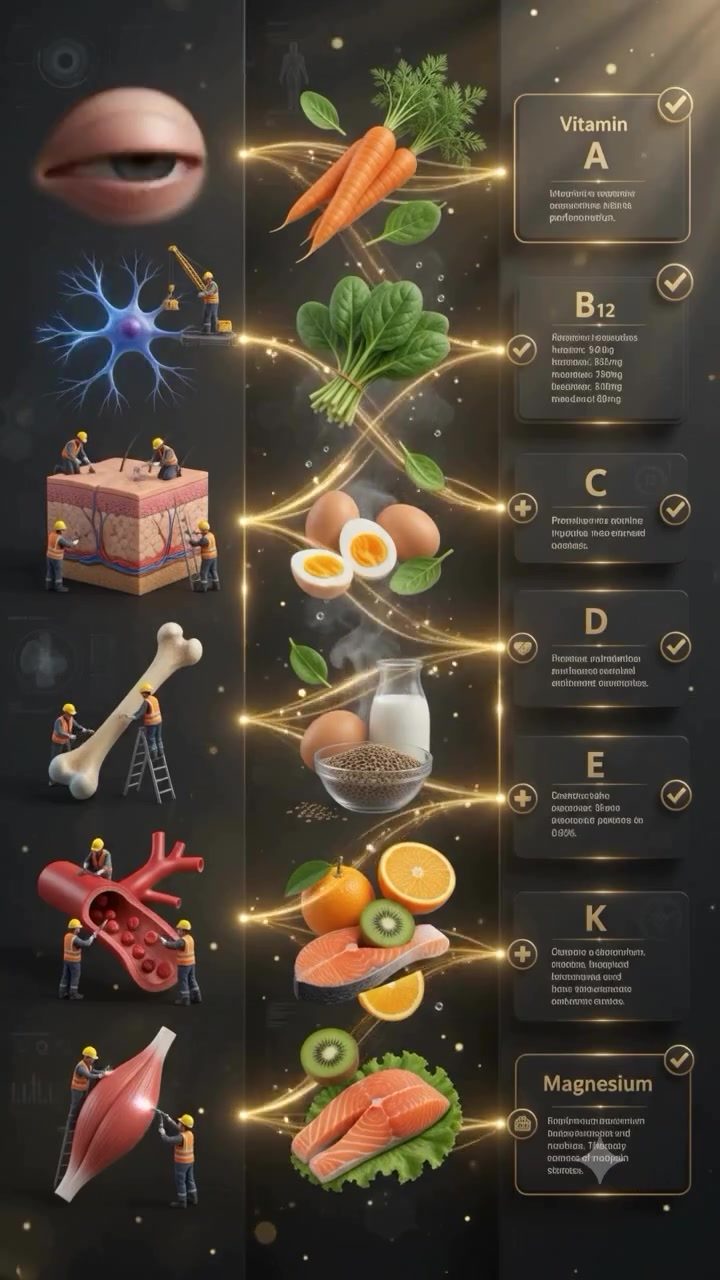
Your Body's Repair Kit: The Power of Vitamins and Minerals
Your body is a marvel of self-repair, constantly renewing and healing itself. To perform these tasks efficiently, it relies on a variety of nutrients, particularly vitamins and minerals. Each plays a unique role in maintaining organ health, boosting the immune system, and ensuring your body functions at its peak. Here is a practical guide to understanding the critical vitamins and minerals that help repair and maintain your body, why they matter and how to incorporate them into your diet.
Why Vitamins and Minerals Matter
Vitamins and minerals are essential for various bodily functions. They support everything from vision and immune function to bone health and muscle contraction. By understanding their roles, you can make informed choices about your diet and supplementation. Here's a breakdown of key vitamins and minerals, their benefits, and rich sources.
Essential Vitamins and Minerals
Vitamin A: The Vision Booster
Vitamin A is crucial for maintaining healthy vision. It helps protect your eyes from conditions like night blindness and supports overall eye health. Rich sources of Vitamin A include:
- Carrots
- Spinach
- Sweet potatoes
- Pumpkin
- Mango
Vitamin B12: The Nervous System Protector
Vitamin B12 is essential for a healthy nervous system and the production of red blood cells. It plays a critical role in maintaining nerve health and preventing conditions like anemia. Key sources of Vitamin B12 are:
- Eggs
- Fish (salmon)
- Milk
- Cheese
- Meat
Vitamin C: The Immunity and Skin Enhancer
Vitamin C is renowned for its immune-boosting properties. It supports collagen production, promotes healthy skin, and aids in faster wound healing. Foods rich in Vitamin C include:
- Oranges
- Kiwi
- Guava
- Strawberries
- Bell peppers
- Broccoli
Vitamin D: The Bone Strengthener
Vitamin D is vital for strong bones as it helps your body absorb calcium. It also supports muscle function and overall bone health. Sources of Vitamin D include:
- Salmon
- Egg yolk
- Mushrooms
- Fortified milk
- Sunlight exposure
Vitamin E: The Antioxidant Protector
Vitamin E acts as a powerful antioxidant, protecting your cells from damage and keeping your skin healthy. Foods rich in Vitamin E include:
- Almonds
- Sunflower seeds
- Avocado
- Hazelnuts
Vitamin K: The Blood Clotting Essential
Vitamin K is important for normal blood clotting and maintaining strong bones. Rich sources of Vitamin K include:
- Spinach
- Kale
- Broccoli
- Leafy green vegetables
Magnesium: The Muscle and Nerve Function Supporter
Magnesium supports muscle contraction, nerve function, and energy production. It also helps reduce muscle cramps. Foods high in magnesium include:
- Pumpkin seeds
- Bananas
- Dark chocolate
- Almonds
- Spinach
Practical Tips for Incorporating Vitamins and Minerals
Incorporating these essential nutrients into your daily diet can be both delicious and straightforward. Here are some practical tips to help you get started:
Start with a Balanced Diet
A balanced diet is the foundation of good health. Aim to include a variety of fruits, vegetables, nuts, and lean proteins in your meals. This ensures you get a wide range of vitamins and minerals.
Supplement Wisely
While a balanced diet is ideal, supplements can be useful for filling nutritional gaps. Consult with a healthcare provider before starting any supplement regimen to ensure you are taking the right doses and combinations.
Focus on Whole Foods
Whole foods are typically more nutritious than processed foods. Opt for whole grains, fresh produce, lean proteins, and healthy fats. These foods provide not only essential vitamins and minerals but also fiber and other beneficial compounds.
Regular Exercise
Regular physical activity enhances your body's ability to absorb and utilize nutrients. Aim for at least 30 minutes of moderate exercise most days of the week.
Important Takeaways
Every vitamin and mineral serves a unique purpose in maintaining your body's health and function. By understanding their roles and ensuring you get enough of each, you can support your body's natural repair processes. Remember, a balanced diet, regular exercise, adequate sleep, proper hydration, and healthy lifestyle choices all work together to keep your body functioning at its best.
Conclusion
Your body's self-repair mechanism is a testament to its remarkable design. By nourishing it with the right vitamins and minerals, you can enhance its ability to heal and maintain optimal health. Incorporate a variety of nutrient-rich foods into your diet, and consider supplements if needed. This proactive approach will help your body function at its best, keeping you healthy and energized.
Watch the Reel
Questions readers ask
Which vitamins are crucial for immune function and how can I get them through my diet?
Vitamins A and C are key players in supporting your immune system. Vitamin A, found in foods like carrots, sweet potatoes, and leafy greens, helps regulate the immune system and promotes healthy skin and tissues. Vitamin C, abundant in citrus fruits, bell peppers, and strawberries, boosts immune function by supporting the production of white blood cells and antibodies.
What role does Vitamin B12 play in my body, and which foods should I eat to ensure I'm getting enough?
Vitamin B12 is vital for the production of red blood cells, DNA synthesis, and the maintenance of the nervous system. It can be found in animal products such as meat, fish, poultry, eggs, and dairy. For those following a plant-based diet, fortified cereals and nutritional yeast are good sources.
How does Vitamin D contribute to my overall health, and what are the best food sources for it?
Vitamin D is essential for bone health as it aids in calcium absorption, which is crucial for maintaining strong bones and teeth. It also supports immune function, muscle function, and brain cell activity. Foods rich in Vitamin D include fatty fish like salmon and mackerel, fortified dairy products, and mushrooms exposed to sunlight.
What are the benefits of incorporating Vitamin A into my diet, and which foods are rich in it?
Vitamin A is important for maintaining good vision, supporting the immune system, and promoting healthy skin and tissues. It also plays a role in cell growth and division. Good food sources of Vitamin A include liver, eggs, and fortified dairy products. For those who prefer plant-based options, beta-carotene-rich foods like carrots, sweet potatoes, and leafy greens can be converted into Vitamin A by the body.
Why are minerals important for my body's repair processes, and which foods should I include in my diet to get them?
Minerals like calcium, magnesium, and zinc are crucial for various bodily functions, including bone health, muscle contraction, and immune function. Calcium, found in dairy products, leafy greens, and fortified plant-based milks, is essential for strong bones and teeth. Magnesium, present in nuts, seeds, and whole grains, supports muscle and nerve function. Zinc, found in meat, poultry, beans, and nuts, boosts immune function and aids in wound healing.
How can I ensure I'm getting a balanced intake of vitamins and minerals through my diet?
To ensure a balanced intake of vitamins and minerals, focus on incorporating a variety of nutrient-rich foods into your meals. Aim for a rainbow of fruits and vegetables, include lean proteins, whole grains, and healthy fats. Fortified foods and supplements can also help fill any gaps in your diet, but it's always best to consult with a healthcare provider before starting any supplement regimen.
What are some signs that I might be deficient in certain vitamins or minerals?
Symptoms of vitamin and mineral deficiencies can vary but may include fatigue, weakness, frequent infections, poor wound healing, and changes in skin, hair, or nails. For example, a deficiency in Vitamin D can cause bone pain and muscle weakness, while a lack of Vitamin B12 can lead to anemia and neurological issues. If you suspect a deficiency, it's important to consult with a healthcare provider for proper evaluation and treatment.
Related deep dives
Similar reads based on topic and creator.

Recent articles
Fresh deep dives from the latest Reels we unpacked.




Comments
Be the first to comment.