The Importance of Early Skin-to-Skin Contact Between Fathers and Newborns
Early bonding between a newborn and their father is often overlooked, especially when it comes to the physical benefits of skin-to-skin contact. While much attention is given to the mother-infant bond, the role of a father in the newborn's immediate physiological development is equally vital.
Why This Matters
The first hours after birth are critical for establishing a strong emotional and physical bond. Early skin-to-skin contact between a father and his newborn can have profound effects on the baby's development and well-being.
Understanding the Benefits
Nervous System Co-Regulation
One of the key benefits of skin-to-skin contact between a father and his newborn is the regulation of the baby's nervous system. The steady rhythm of a father's heartbeat and breathing acts as a natural biofeedback system. This natural rhythm can help calm the baby's central nervous system, promoting a sense of security and reducing stress.
Vital Sign Stabilization
Early paternal touch has been shown to stabilize a newborn's vital signs more quickly. This includes heart rate, oxygen levels, and body temperature. The close contact helps the baby's body to regulate these essential functions, ensuring a smoother transition to life outside the womb.
Hormonal Surge
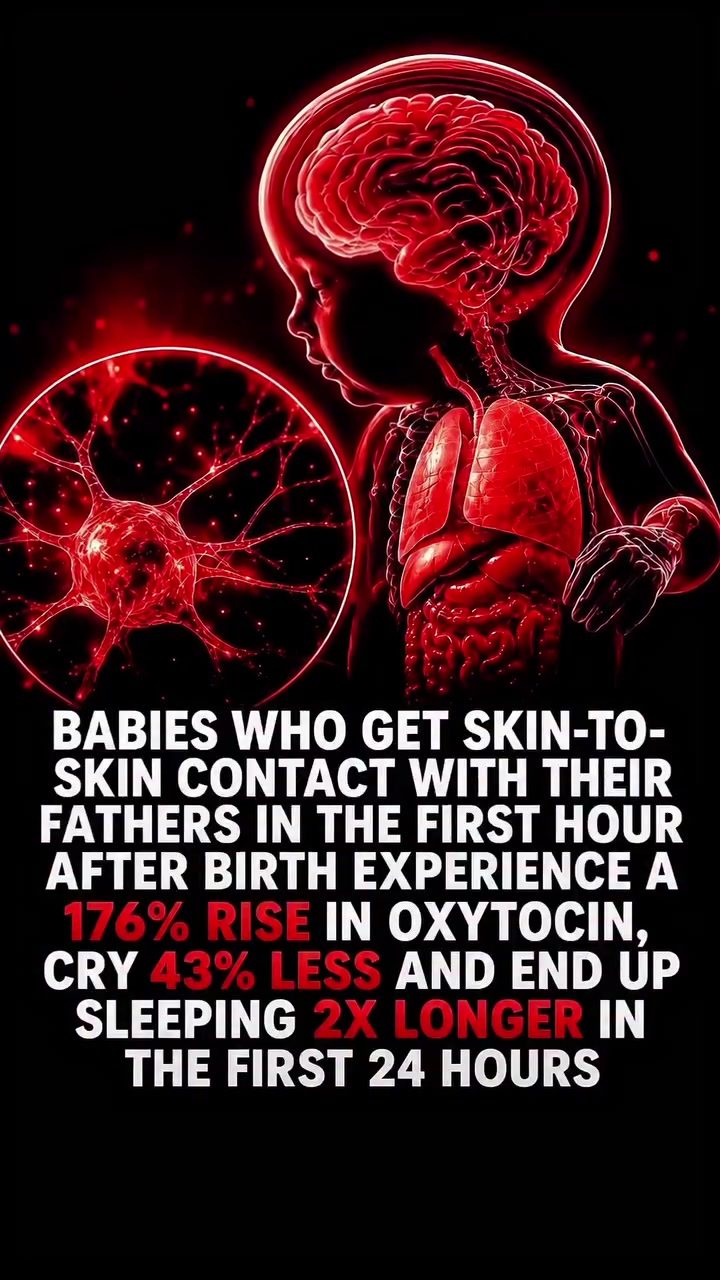
Skin-to-skin contact between a father and his newborn triggers an immediate release of oxytocin, a hormone often referred to as the "love hormone." This surge in oxytocin levels can lower cortisol levels in both the father and the baby, reducing stress and promoting deeper, more restorative sleep cycles for the newborn. This hormonal interaction is crucial for fostering a strong emotional bond between father and child.
Postural and Motor Activation
The gentle pressure and sensory input that a newborn experiences when resting on a father's chest can stimulate early tactile awareness and motor reflexes. This physical stimulation is essential for the baby's motor development and sensory integration, laying the groundwork for future physical abilities.
Sleeping Patterns
Babies who experience skin-to-skin contact with their fathers in the first hour after birth may sleep twice as long in the first 24 hours. Sleep is crucial for a newborn's development, and longer, uninterrupted sleep cycles can significantly benefit the baby's overall health.
Reduced Crying
Studies have shown that babies who get skin-to-skin contact with their fathers in the first hour after birth cry 43% less. This reduction in crying can lead to a more peaceful and less stressful environment for both the baby and the parents.
Practical Tips for Fathers
Engaging in skin-to-skin contact with a newborn can be a deeply rewarding experience for both the father and the baby. Here are some practical tips for fathers to make the most of this bonding experience:
Prepare for the Experience
Before the baby is born, fathers can prepare by understanding the benefits of skin-to-skin contact and talking to healthcare providers about the best ways to practice it. Knowing what to expect can help alleviate any anxiety and make the experience more enjoyable.
Create a Comfortable Environment
Choose a quiet, comfortable space where both the father and the baby can relax. Ensure the room is warm and free from distractions, allowing the baby to focus on the father's presence and the sensations of touch, smell, and sound.
Positioning
When holding the baby, position the newborn on the father's chest, ensuring that the baby is secure and comfortable. Use a chair or a comfortable surface to support both the father and the baby during the session.
Engage the Senses
Gently stroke the baby's back, talk softly or sing to the baby. These actions not only enhance the bonding experience but also stimulate the baby's senses, promoting early development.
Practice Regularly
While the first hour after birth is crucial, regular skin-to-skin contact throughout the baby's early life can continue to provide benefits. Make it a part of the daily routine to hold the baby close, even if it's just for a few minutes each day.
Important Takeaways
Early skin-to-skin contact between fathers and newborns offers numerous physiological and emotional benefits. From stabilizing vital signs to promoting deeper sleep and reducing crying, this simple act can have a profound impact on a baby's development.
Conclusion
The physical and emotional benefits of early skin-to-skin contact between fathers and newborns are immense. Fathers play a crucial role in their children's development, and engaging in this practice can forge a strong bond that lasts a lifetime. By understanding and practicing skin-to-skin contact, fathers can contribute significantly to their baby's well-being and growth.
Watch the Reel
Questions readers ask
What are the immediate physical benefits of skin-to-skin contact between fathers and newborns?
Skin-to-skin contact between fathers and newborns helps regulate the baby's nervous system and stabilizes vital signs, such as heart rate and temperature, within the first hours of life. This immediate physical contact also supports the baby's breathing and overall physiological balance.
How does skin-to-skin contact between a newborn and father impact the baby's long-term development?
Early skin-to-skin contact between a father and newborn fosters a strong emotional bond that contributes to the baby's long-term emotional well-being. This initial intimacy helps shape the baby's ability to form secure attachments later in life and promotes healthy emotional development.
What is oxytocin, and how does it contribute to the father-newborn bond during skin-to-skin contact?
Oxytocin is a hormone released during skin-to-skin contact. It promotes bonding, reduces stress, and enhances feelings of love and connection. For both fathers and newborns, oxytocin release during skin-to-skin contact fosters a strong emotional bond and promotes a sense of well-being.
Why is the first touch between a father and his newborn so important?
The first touch between a father and newborn is crucial for initiating the bonding process and establishing a strong emotional connection. It aids in synchronizing the baby's systems to the father's rhythms, setting a solid foundation for their relationship and the baby's overall development.
Can skin-to-skin contact between fathers and newborns reduce stress for both parties?
Yes, skin-to-skin contact between fathers and newborns triggers the release of oxytocin, which is known to reduce stress and anxiety. This benefit applies to both the father and the newborn, making the bonding experience more calming and enjoyable for both parties.
How can fathers engage in skin-to-skin contact with their newborns in practical ways?
Fathers can engage in skin-to-skin contact by holding their newborn directly against their bare chest, ensuring the baby is comfortable and secure. This can be done immediately after birth or during feedings and naps. Implementing this practice as often as possible enhances the father-newborn bond and contributes to the baby's overall well-being.
Recent articles
Fresh deep dives from the latest Reels we unpacked.




Comments
Be the first to comment.