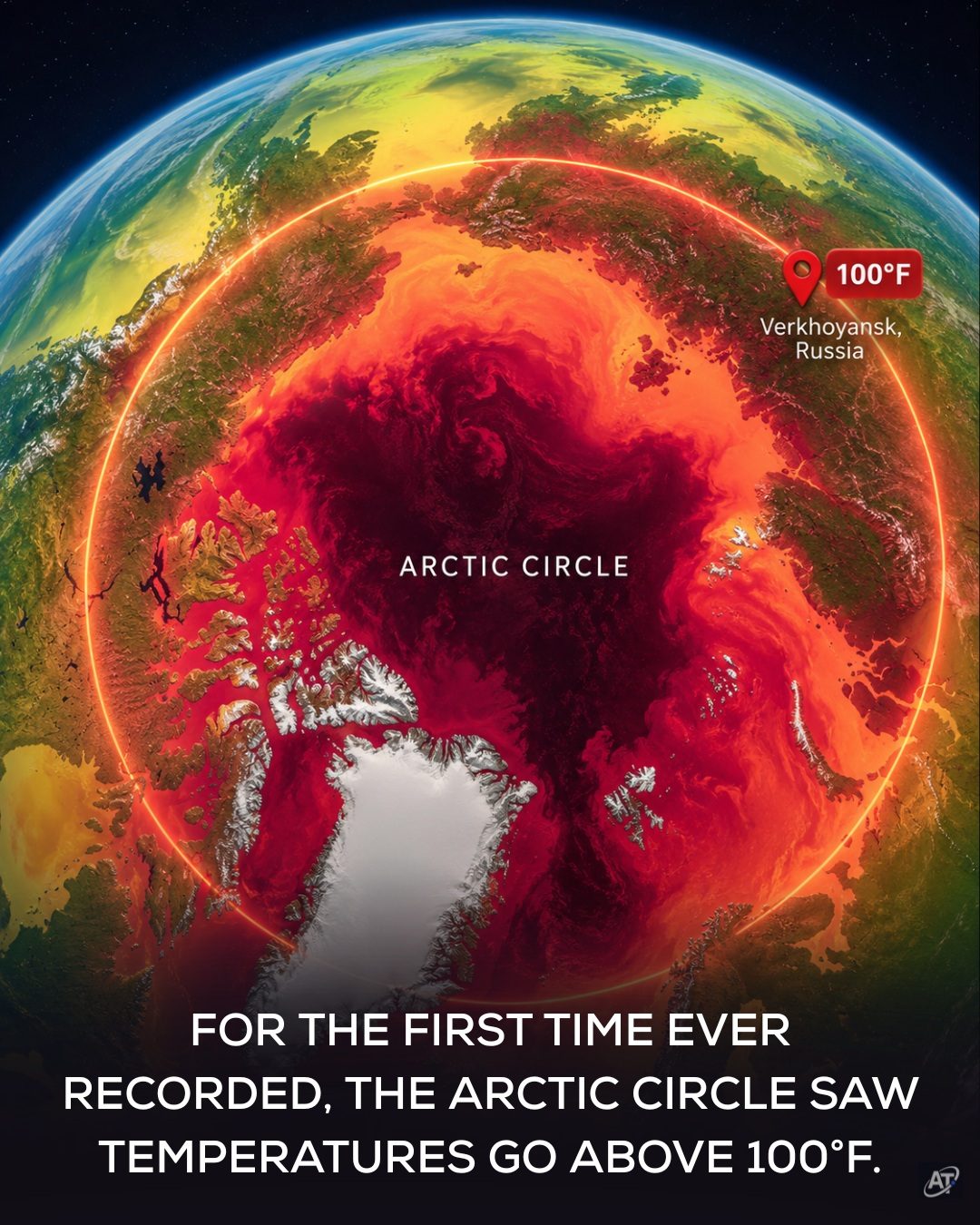
The Unprecedented Heat in the Arctic: Verkhoyansk's Record-Breaking Day
June 20, 2020, marked a historic and alarming milestone in the Arctic Circle. Verkhoyansk, a town in Siberia, Russia, recorded a temperature of 38°C — 100.4°F, a shocking contrast to its usual frigid climate. This temperature, later verified by the World Meteorological Organization (WMO), has significant implications for the global climate.
Context / Why This Matters
The Arctic is often associated with extreme cold, but this recent temperature spike in Verkhoyansk offers insight into the broader climate shifts happening around the globe. Verkhoyansk, known for temperatures that can drop below -50°C in winter, experienced a heatwave that pushed temperatures to levels more typical of deserts. This event is part of a larger trend: the Arctic is warming more than twice as fast as the global average.
The Arctic Heatwave and Its Consequences
The 2020 Siberian Heatwave
The extreme temperatures in Verkhoyansk occurred during a prolonged Siberian heatwave that lasted several months. This heatwave was accompanied by unusual wildfire activity and an exceptionally warm spring. These conditions, while alarming, are not isolated incidents. They are part of a broader pattern of climate change that is accelerating in the Arctic.
The Impact on the Global Climate
When the Arctic heats up, the effects are not confined to the polar region. The Arctic plays a crucial role in regulating global temperatures. Less snow and sea ice mean less sunlight is reflected back into space, leading to increased absorption of heat by the land and ocean. Darker surfaces absorb more heat, further exacerbating the warming trend.
Permafrost Thaw and Carbon Release
One of the most concerning effects of Arctic warming is the thawing of permafrost. Permafrost contains vast amounts of carbon, stored as organic matter. As it thaws, this carbon is released into the atmosphere as carbon dioxide and methane, further accelerating global warming. Methane, in particular, is a potent greenhouse gas with a warming potential more than 25 times greater than carbon dioxide over a 100-year period.
Wildlife and Ecosystem Changes
The Arctic is home to a unique ecosystem adapted to cold temperatures. As the climate warms, wildlife habitats shift, leading to changes in species distribution and behavior. For example, species like polar bears and seals, which depend on sea ice for hunting and breeding, are at risk as their habitats shrink.
The Trends Behind the Number
The temperature of 100°F in Verkhoyansk is a stark number, but it is the trend behind it that is more worrying. The Arctic's warming trend, coupled with the release of carbon from thawing permafrost, is creating a feedback loop that accelerates global warming. This means that even if individual temperature spikes are temporary, the overall trajectory of warming in the Arctic is alarming.
Weather Patterns and Global Implications
The warming Arctic also affects weather patterns far beyond the polar region. Changes in the Arctic can influence weather systems in the northern hemisphere, leading to more frequent and intense heatwaves, droughts, and storms. This has implications for agriculture, water resources, and human health.
The Role of Human Activity
Human activities, particularly the burning of fossil fuels and deforestation, release large amounts of greenhouse gases into the atmosphere. These gases trap heat, leading to global warming and climate change. The Arctic's rapid warming is a clear indicator of how human activities are affecting the planet.
Practical Tips
While the situation in the Arctic is dire, there are steps that can be taken to mitigate the effects of climate change:
Reducing Carbon Emissions
One of the most effective ways to slow down warming is to reduce carbon emissions. This can be achieved through transitioning to renewable energy sources, improving energy efficiency, and promoting sustainable practices in industries like transportation and agriculture.
Protecting and Restoring Forests
Forests act as carbon sinks, absorbing carbon dioxide from the atmosphere. Protecting existing forests and planting new ones can help reduce the amount of carbon in the atmosphere.
Supporting Research and Monitoring
Continued research and monitoring of the Arctic are crucial for understanding the impacts of climate change and developing effective strategies to mitigate its effects. Supporting scientific research and international collaboration on climate issues is essential.
Important Takeaways
The record-breaking temperature in Verkhoyansk is a wake-up call about the rapid changes happening in the Arctic. The Arctic's warming is not an isolated phenomenon but part of a global trend that has far-reaching consequences. When the Arctic heats up, the effects are felt worldwide through changes in weather patterns, rising sea levels, and the release of carbon from thawing permafrost.
Conclusion
The unprecedented heat in the Arctic, as exemplified by the 100°F temperature recorded in Verkhoyansk, is a clear sign of the urgent need for action. It underscores the critical importance of addressing climate change on a global scale. By understanding the interconnected nature of our planet's climate systems and taking concrete steps to reduce greenhouse gas emissions, we can work towards mitigating the effects of climate change and protecting the Arctic and the world.
Watch the Reel
Questions readers ask
What caused the extreme heat in Verkhoyansk in June 2020?
The extreme heat in Verkhoyansk was caused by a combination of factors, including a persistent high-pressure system that trapped warm air over the region and a broader trend of Arctic warming. This specific event is part of a larger pattern of increasing temperatures in the Arctic.
Why is the 100.4°F temperature in Verkhoyansk significant?
The 100.4°F temperature recorded in Verkhoyansk is significant because it is the highest temperature ever recorded north of the Arctic Circle. This event highlights the rapid and dramatic changes in Arctic weather patterns and contributes to the understanding of global climate trends.
How does the Arctic warming trend affect global temperatures?
Arctic warming can accelerate global temperature increases through various feedback mechanisms. For instance, melting sea ice reduces the Earth's reflectivity, absorbing more solar radiation. Additionally, thawing permafrost releases stored carbon, further enhancing the greenhouse effect.
What are the potential impacts of the Verkhoyansk heatwave on local ecosystems?
The extreme heat in Verkhoyansk can have profound impacts on local ecosystems, including increased wildfire risks, changes in plant and animal habitats, and disruptions to the local water cycle. These changes can affect the delicate balance of Arctic ecosystems, leading to long-term consequences.
How does the Arctic heatwave of 2020 compare to other recent Arctic warming events?
The 2020 Arctic heatwave, including the record-breaking temperature in Verkhoyansk, is notable for its intensity and the rapid rate of warming. While other recent events have also shown significant increases in Arctic temperatures, the 2020 heatwave stands out as an extreme example of the accelerating warming trends in the region.
What role do Siberian weather patterns play in the 2020 Arctic heatwave?
Siberian weather patterns, characterized by persistent high-pressure systems, played a crucial role in the 2020 Arctic heatwave. These systems can trap warm air over the region, leading to prolonged periods of extreme heat. The interaction between these weather patterns and broader climate trends contributes to the unprecedented temperatures observed in Verkhoyansk.
Related deep dives
Similar reads based on topic and creator.




Recent articles
Fresh deep dives from the latest Reels we unpacked.




Comments
Be the first to comment.