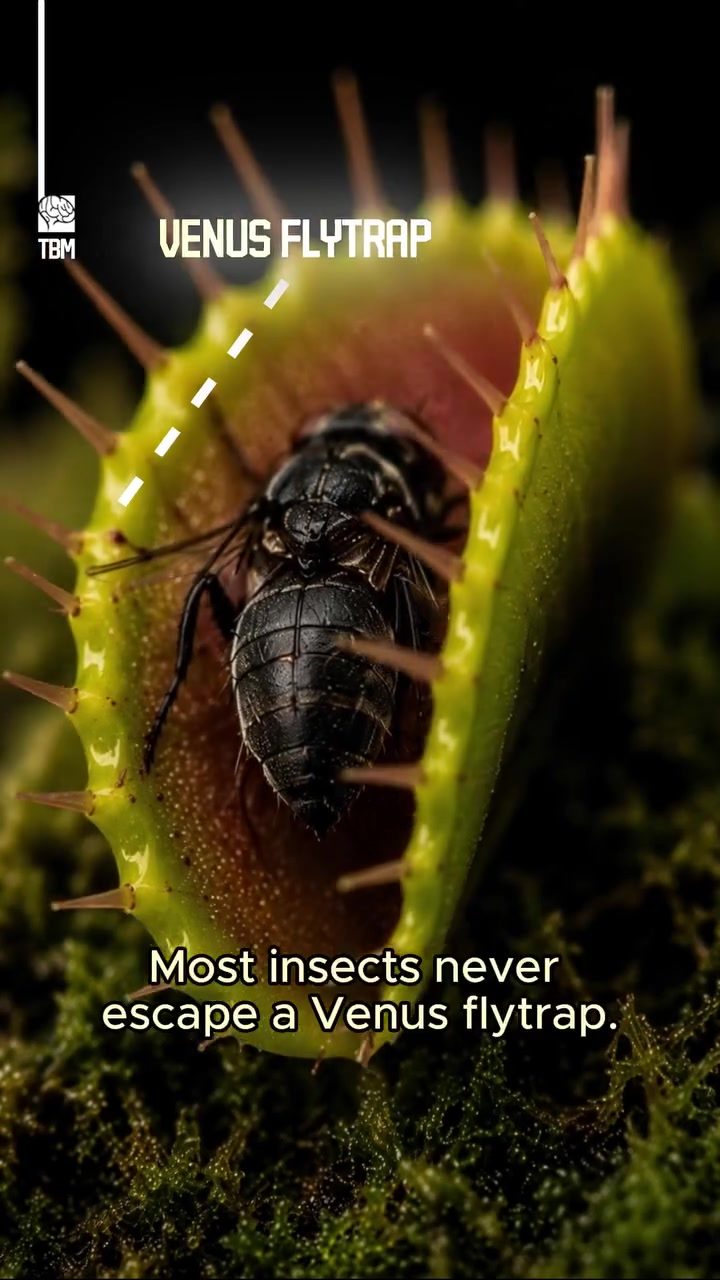
Venus Flytrap vs. Wasps: A Battle of Survival
Venus flytraps are one of the most fascinating carnivorous plants, known for their unique method of trapping and digesting insects. However, not all insects are defenseless against this plant's traps. Wasps, in particular, are known to put up a formidable fight.
Most insects never escape a Venus flytrap. Once an insect triggers the sensitive hairs inside the trap, the plant's lobes snap shut in about a tenth of a second, locking the prey inside with interlocking teeth. For many insects like flies, ants, and beetles, this is the end of the line. However, wasps are a rare exception to this rule. These insects are built differently and possess several mechanisms that allow them to fight back with incredible force.
Why This Matters
The interaction between Venus flytraps and wasps provides a unique glimpse into the natural world's arms race. This dynamic showcases the adaptive strategies that both predators and prey have developed over time. Understanding how these two creatures interact can offer insights into the broader principles of ecology and evolution.
The Intense Struggle
The Initial Struggle
From the moment a wasp is trapped, it begins a fierce battle for survival. The wasp's stinger lashes out repeatedly, but the trap isn't alive in the way an animal is, so the venom has little effect on the plant. Despite the stinging, the plant continues its digestive process, undeterred by the wasp's attempts to defend itself.
The wasp's next line of defense is its physical strength. Wasps can push surprisingly hard against the trap's closing lobes, sometimes creating enough space to nearly force an escape. This raw strength is a critical aspect of the wasp's survival strategy, as it allows the insect to exert pressure on the plant, potentially weakening the trap.
The Wasp's Secret Weapon
However, the wasp's greatest advantage is hidden in its mouth parts. Their razor-sharp mandibles are designed to slice through tough materials, and some wasps use them to chew directly through the trap itself. This is a remarkable adaptation, as it allows the wasp to literally cut an exit through the trap. Instead of waiting to be digested, the wasp can actively work to free itself by chewing through the plant's tissue.
This ability to slice through the trap is a testament to the wasp's evolutionary adaptations. The mandibles are powerful and precise, allowing the wasp to make quick work of the plant's tissue. This is a stark contrast to the passive approach that many other insects take, who often rely on sheer luck or being too large to fit into the trap.
Practical Tips
For those interested in observing this phenomenon, consider the following tips:
Setting Up a Safe Environment
If you decide to set up a Venus flytrap and wasp interaction, it's essential to do so in a controlled environment. Both the plant and the wasp are living organisms, and their interaction can be hazardous if not properly managed. This is especially important for those with allergies to wasps or insect bites.
Choosing the Right Plant
If you are interested in setting up a Venus flytrap, choose a healthy plant from a reputable source. Make sure the plant is well-rooted and has a healthy set of leaves. This will ensure that it is strong enough to withstand the wasp's attempts to escape.
Observing the Interaction
When observing the interaction, it's important to be patient and attentive. The process can take several minutes, and the struggle between the plant and the wasp can be intense. Make sure to have a good view of the plant and the wasp, as the key moments of the struggle can happen quickly.
Important Takeaways
-
Venus flytraps are effective at trapping most insects, but wasps are a notable exception. Their powerful mandibles and physical strength allow them to chew through the trap and potentially escape.
-
The struggle between Venus flytraps and wasps highlights the complex adaptations that both predators and prey develop over time.
-
Observing this interaction can be both fascinating and educational, but it requires a controlled environment and a healthy plant.
Conclusion
The battle between Venus flytraps and wasps is a captivating example of the natural world's ongoing struggle for survival. This interaction showcases the remarkable adaptations that both predators and prey have developed, providing a unique window into the principles of ecology and evolution. Whether you're a nature enthusiast or a casual observer, witnessing this struggle can be both fascinating and enlightening.
Watch the Reel
Questions readers ask
How do wasps manage to escape from a Venus flytrap's grip?
Wasps have unique physical adaptations, such as their size and strength, which allow them to fight back against the Venus flytrap. They can use their strong mandibles and stings to help them break free. Additionally, their agile bodies help to escape the plant's grip.
What makes wasps different from other insects that get trapped by the Venus flytrap?
Unlike many other insects, wasps have a more substantial exoskeleton and strong mandibles, which help them resist the plant’s trap. Wasps also possess a strong stinger, which they use not just for defense but also to potentially damage the flytrap and facilitate their escape.
Can other insects besides wasps escape from a Venus flytrap?
While wasps are known for their ability to escape, it is quite rare for other insects to do so. The flytrap's quick snap and interlocking teeth make it difficult for most insects to break free once trapped.
What happens when a wasp gets trapped by a Venus flytrap?
When a wasp gets trapped, it will immediately begin to struggle and use its strength and stinger to try and escape. The wasp's aggressive attempts to free itself often result in damage to the plant’s trap, allowing the wasp to break free.
Why do Venus flytraps struggle to keep wasps as prey?
Venus flytraps are highly specialized for trapping and digesting insects. However, wasps are a challenge due to their powerful stings, strong mandibles, and overall robustness, which make them formidable opponents in the plant’s trap.
How does the interaction between Venus flytraps and wasps highlight evolutionary strategies?
The struggle between Venus flytraps and wasps showcases the ongoing evolutionary arms race in nature. The flytrap develops mechanisms to capture and digest insects, while wasps evolve adaptations to resist and escape the plant’s traps, demonstrating the continuous adaptation of both species.
What role do the flytrap’s sensitive hairs play in trapping insects, and how do wasps counteract this mechanism?
The sensitive hairs inside the flytrap trigger the plant to close its lobes rapidly when touched. Wasps, with their size and strength, can sometimes avoid triggering the hairs in a way that allows them to escape the trap. Additionally, their powerful movements and stings can disrupt the flytrap’s mechanism, allowing for a successful escape.
Related deep dives
Similar reads based on topic and creator.




Recent articles
Fresh deep dives from the latest Reels we unpacked.




Comments
Be the first to comment.