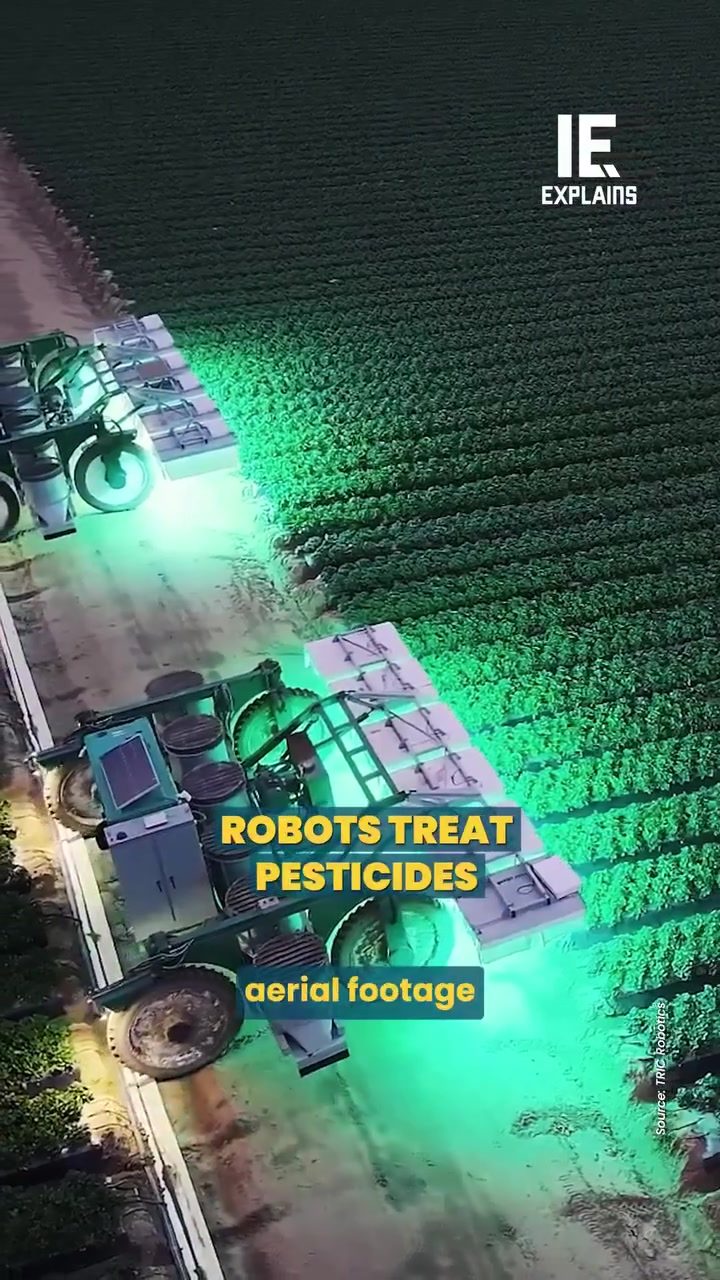
Robotic Pesticide Treatment
Autonomous agricultural robots are revolutionizing pest management, particularly in crop-intensive regions like California. One standout innovation is the Luna robot, a groundbreaking solution developed by TRIC Robotics. This robot operates in strawberry fields after dark, utilizing UV-C light to eradicate fungal pathogens without relying on traditional pesticides. This method has significantly reduced chemical usage by up to 70% across various farms, showcasing a sustainable and effective approach to pest control.
Context: Why This Matters
Traditional pesticide application methods often involve spray drones or chemical tankers, which can be harmful to both the environment and farmworkers. The Luna robot addresses these concerns by offering a cleaner, more efficient solution. By utilizing UV-C light to kill fungal pathogens and pests, the Luna robot eliminates the need for harmful chemicals. This not only protects the environment but also leads to safer working conditions for those involved in farming.
Main Discussion
The Luna Robot: An Overview
The Luna robot, developed by TRIC Robotics, is designed to treat strawberry fields autonomously. These fields are particularly sensitive to pests and pathogens, making them one of the most pesticide-heavy crops in California. The robot operates after dark, moving through the crop rows and blasting UV-C light. This light works by damaging the DNA of fungal pathogens, preventing them from replicating and spreading.
How It Works
The UV-C light emitted by the Luna robot is a powerful tool in pest management. It targets the DNA of fungal pathogens and pests, causing irreparable damage that prevents them from reproducing. This method is highly effective and does not leave behind any harmful residues that might affect the crop or the environment.
The Importance of UV-C Light
UV-C light has long been recognized for its disinfecting properties. In agricultural settings, it offers a chemical-free alternative to traditional pesticides. By using UV-C light, the Luna robot can effectively control pests and pathogens without the need for harmful chemicals, making it a more environmentally friendly option.
The Environmental and Economic Impact
The Luna robot has already demonstrated significant benefits in terms of reducing chemical use. By cutting chemical usage by up to 70%, it not only reduces environmental impact but also lowers costs for farmers. The company's investment in scaling up its operations reflects the potential of this technology to revolutionize agricultural practices.
Expanding Operations
TRIC Robotics raised $5.5 million in seed funding to scale its operations from 9 robots to 40 or 50, expanding across key agricultural regions like Oxnard and Watsonville. This expansion indicates a growing demand for sustainable and efficient pest management solutions. With the Luna robot, farmers can look forward to cleaner fields and reduced reliance on harmful pesticides.
Practical Tips for Implementing Robotic Pest Management
Transitioning to UV-C Light
Farmers interested in transitioning to UV-C light for pest management can start by understanding the specific needs of their crops. Strawberries, for example, are highly susceptible to fungal pathogens like powdery mildew and botrytis. UV-C light can effectively target these pathogens, providing a cleaner, more sustainable solution.
Scaling Operations
For larger-scale operations, investing in multiple Luna robots can be a cost-effective way to cover extensive fields. The robots' autonomous capabilities allow them to operate efficiently, even after dark, ensuring that pest management is consistent and thorough.
Maintaining Equipment
Regular maintenance of the Luna robots is essential to ensure their effectiveness. This includes checking the UV-C light sources and ensuring that the robots are operating correctly. Proper maintenance can extend the lifespan of the equipment and ensure that it continues to provide reliable pest management.
Important Takeaways
The Luna robot by TRIC Robotics represents a significant step forward in sustainable and efficient pest management. By utilizing UV-C light, it offers a cleaner, more environmentally friendly alternative to traditional pesticides. This method has already demonstrated its effectiveness in reducing chemical usage and improving crop health.
Future Implications
As more farmers adopt this technology, the agricultural industry can expect to see a significant shift towards sustainable practices. The reduction in chemical use benefits not only the environment but also the health and safety of farmworkers. Additionally, the cost savings associated with reduced chemical usage can make farming more profitable and sustainable in the long run.
The Role of Autonomous Technology
Autonomous robots like the Luna are paving the way for a future where technology and agriculture work hand in hand. By leveraging advanced technologies, farmers can achieve higher productivity and sustainability, ensuring that future generations have access to safe and nutritious food.
A Greener Approach
The Luna robot's use of UV-C light highlights a greener approach to pest management. This method eliminates the need for harmful chemicals, making it a safer option for both the environment and human health. As more farmers adopt this technology, the agricultural industry can look forward to a greener, more sustainable future.
Conclusion
The Luna robot by TRIC Robotics offers a groundbreaking solution to pest management, particularly in strawberry fields. By utilizing UV-C light, it provides a cleaner, more sustainable alternative to traditional pesticides, significantly reducing chemical use. As the technology continues to scale, it holds the potential to revolutionize agricultural practices, making them more environmentally friendly and cost-effective. With its proven effectiveness and growing adoption, the Luna robot is a game-changer in the world of sustainable farming.
Watch the Reel
Questions readers ask
How does the Luna UV-C light robot work in strawberry fields?
The Luna robot operates autonomously in strawberry fields during nighttime hours. It emits UV-C light, which effectively eradicates fungal pathogens that can harm strawberry plants, reducing the need for chemical pesticides.
What are the benefits of using UV-C light for pest control in strawberry farming?
Using UV-C light for pest control offers several benefits, including a significant reduction in chemical pesticide use—up to 70%. This method is not only more sustainable but also safer for the environment and farmworkers, as it minimizes exposure to harmful chemicals.
How does the Luna robot contribute to sustainable farming practices?
The Luna robot promotes sustainable farming by providing an effective, chemical-free alternative to traditional pesticide methods. Its use of UV-C light to control fungal pathogens reduces the environmental impact of strawberry farming and supports healthier, more sustainable agricultural practices.
Can the Luna robot be used in other crops besides strawberries?
While the Luna robot has been specifically designed and tested for use in strawberry fields, the technology behind it—UV-C light for pest control—has potential applications in other crops. Its effectiveness in controlling fungal pathogens makes it a viable option for various agricultural settings.
What are the potential impacts of the Luna robot on farmworker safety?
By significantly reducing the need for chemical pesticides, the Luna robot enhances farmworker safety. Traditional pesticide application methods often expose workers to harmful chemicals, but the Luna robot's UV-C light technology eliminates this risk, creating a safer working environment.
How does the Luna robot navigate and operate in strawberry fields?
The Luna robot is equipped with advanced autonomous navigation systems that allow it to maneuver efficiently through strawberry fields. It operates independently, covering the fields after dark to ensure that the UV-C light treatment is effective without disrupting daylight farming activities.
What are the environmental benefits of using the Luna robot in strawberry farming?
The Luna robot offers numerous environmental benefits, including reduced chemical runoff and lower emissions from pesticide application equipment. By minimizing the reliance on traditional pesticides, it helps preserve soil health and protects local ecosystems, making it a greener solution for strawberry pest management.
Related deep dives
Similar reads based on topic and creator.


Recent articles
Fresh deep dives from the latest Reels we unpacked.




Comments
Be the first to comment.