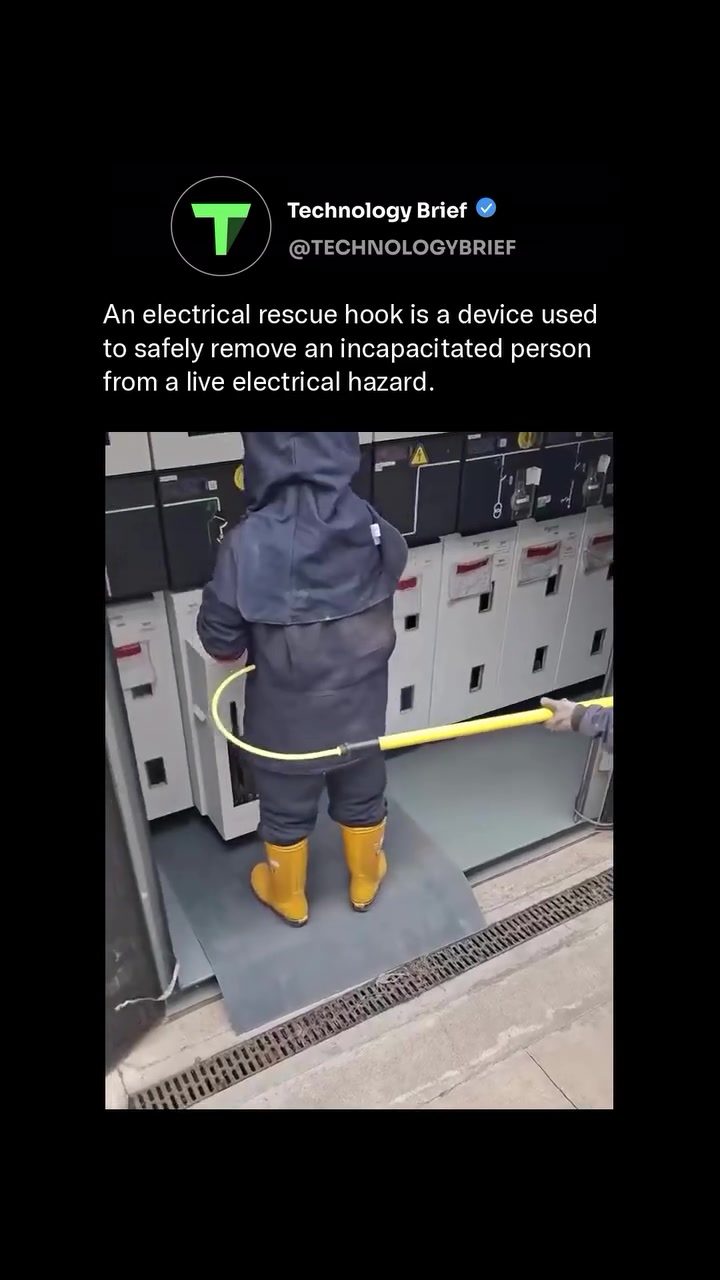
Electrical Rescue Hooks: A Crucial Safety Tool
Electrical rescue hooks are indispensable tools in electrical safety, designed to remove an incapacitated person from a live electrical hazard without the rescuer making direct contact. These tools are typically constructed from non-conductive materials like fiberglass or epoxy resin, ensuring safety even at high voltages, ranging from 10kV to 220kV.
Why This Matters
Electrical workers face significant risks, and proper safety measures can mean the difference between life and death. Understanding the importance of rescue hooks and the protocols surrounding their use is vital for anyone working in or around electrical environments.
The Role of Electrical Rescue Hooks in Safety Protocols
Non-Conductive Materials
Electrical rescue hooks are designed with non-conductive materials, such as fiberglass or epoxy resin. These materials do not conduct electricity, making them safe to use even in high-voltage situations. The insulation properties of these materials ensure that the rescuer remains safe while attempting to remove an incapacitated person from a live electrical source.
Voltage Ratings
Different models of electrical rescue hooks are rated for various voltage levels, ranging from 10kV to 220kV. This rating system ensures that the hook can safely handle the electrical load of the environment in which it is being used. Choosing the appropriate hook for the voltage level is crucial for the safety of both the rescuer and the victim.
Types of Hooks
Electrical rescue hooks come in various designs, each suited to specific needs. Some hooks are designed for quick deployment, while others are more robust and suitable for heavy-duty tasks. The type of hook chosen depends on the specific requirements of the job and the environment in which it will be used.
Training and Safety Protocols
Protective Gear
When working with electrical rescue hooks, protective gear is essential. This includes full arc flash suits, rubber boots, and insulated gloves. These items provide a layer of protection against electrical hazards, ensuring that the rescuer remains safe during the rescue operation.
Training for Workers and Students
Training is a critical component of electrical safety programs. Workers and, in some cases, young students, are trained to use rescue hooks correctly. This training includes understanding how to deploy the hook, the importance of protective gear, and the correct procedures to follow in an emergency. Proper training ensures that workers are prepared to handle any electrical hazard they may encounter.
Emergency Procedures
In an emergency, every second counts. The use of an electrical rescue hook should be part of a well-rehearsed emergency procedure. This includes having the hook readily available, knowing how to quickly deploy it, and understanding the steps to follow to ensure the safety of both the rescuer and the victim.
Example Scenario
In a demonstration, a child wearing a full arc flash suit, rubber boots, and insulated gloves trains inside a Schneider Electric control room. An adult uses a yellow insulated rescue hook, attached to the child’s waist, to simulate a real emergency scenario. This training method ensures that the child understands the correct procedures and the importance of safety gear. It also highlights the effectiveness of rescue hooks in real-life situations.
Practical Tips for Using Electrical Rescue Hooks
Choosing the Right Hook
Selecting the appropriate rescue hook for the job is crucial. Ensure that the hook is rated for the voltage level of the environment in which it will be used. Additionally, consider the specific needs of the job and choose a hook that is designed for the task.
Safe Deployment
Always follow the correct procedures for deploying a rescue hook. This includes wearing appropriate protective gear and ensuring that the hook is securely attached to the waist of the rescuer. Proper deployment ensures that the rescuer remains safe while attempting to remove an incapacitated person from a live electrical source.
Regular Maintenance and Inspection
Regular maintenance and inspection of rescue hooks are essential for their effectiveness. Ensure that the hook is in good condition and that all components are functioning correctly. Regular inspections can help identify any potential issues before they become a problem.
Important Takeaways
Efficient electrical rescue hooks and proper training are essential components of electrical safety. By understanding the importance of these tools and the protocols surrounding their use, electrical workers can ensure their safety and the safety of those around them. Regular training, proper protective gear, and well-rehearsed emergency procedures are key to effective electrical safety.
Conclusion
Electrical rescue hooks are indispensable tools in electrical safety, designed to remove an incapacitated person from a live electrical hazard without the rescuer making direct contact. These hooks are typically constructed from non-conductive materials, ensuring safety even at high voltages. Understanding the importance of rescue hooks and the protocols surrounding their use is vital for anyone working in or around electrical environments. Regular training, proper protective gear, and well-rehearsed emergency procedures are key to effective electrical safety.
Watch the Reel
Questions readers ask
What are electrical rescue hooks primarily made of?
Electrical rescue hooks are primarily made of non-conductive materials such as fiberglass or epoxy resin. These materials are chosen for their ability to insulate against high voltages, making them safe for use in electrical environments up to 220kV.
How do electrical rescue hooks enhance safety for electrical workers?
Electrical rescue hooks enhance safety by allowing workers to remove an incapacitated individual from live electrical hazards without making direct contact. This minimizes the risk of electrical shock or arc flash incidents, which are significant hazards in electrical environments.
What voltage ranges are electrical rescue hooks designed to handle?
Electrical rescue hooks are designed to handle high voltages ranging from 10kV to 220kV. This wide range makes them versatile and suitable for various electrical environments, ensuring worker safety across different voltage levels.
What are the key safety protocols when using an electrical rescue hook?
Key safety protocols include ensuring the hook is properly inspected before use, maintaining a safe distance from live electrical hazards, and following established electrical rescue procedures. Proper training in the use of rescue hooks is also crucial for effective and safe operation.
Why are non-conductive materials important in electrical rescue hooks?
Non-conductive materials are important because they prevent the flow of electrical current, protecting the rescuer from electrical shock. This is especially critical in high-voltage environments where the risk of severe injury or death is high.
What is the purpose of a fiberglass rescue hook in electrical environments?
A fiberglass rescue hook is used to safely remove an incapacitated person from a live electrical hazard. Fiberglass is chosen for its non-conductive properties, which ensure the rescuer's safety while handling the hook in high-voltage situations.
What should you do if an electrical worker is incapacitated by a live hazard?
If an electrical worker is incapacitated by a live hazard, immediately follow established rescue procedures. Use an electrical rescue hook to remove the person without making direct contact. Ensure that you are properly trained and equipped to handle the situation safely.
Recent articles
Fresh deep dives from the latest Reels we unpacked.




Comments
Be the first to comment.