USA vs. Russia Naval Power: A Strategic Comparison
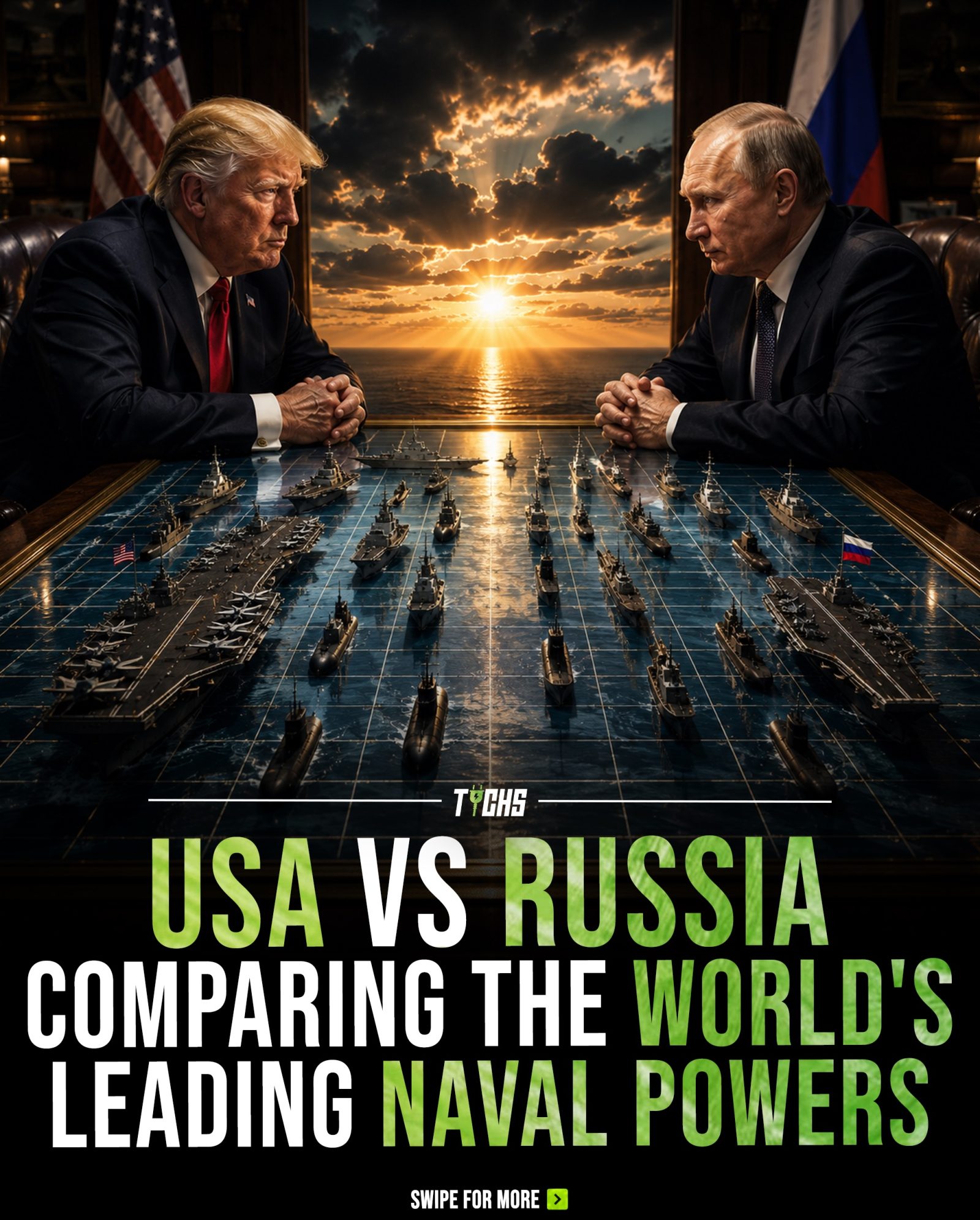
The United States and Russia boast two of the world’s most formidable navies, each with distinct strategies, fleet structures, and global missions. While Russia has a larger number of overall naval vessels, including more corvettes, patrol ships, and mine warfare vessels, the United States excels in high-value assets such as aircraft carriers, destroyers, and a significantly larger naval personnel, enabling unmatched global power projection.
Context / Why this matters
Naval power is a critical component of a nation's defense and strategic influence. The comparison between the U.S. and Russian navies sheds light on how each country approaches maritime dominance. Understanding these differences provides insight into global defense strategies, technological advancements, and the geopolitical dynamics at play.
Main discussion
Fleet Composition
Corvettes
Russia possesses 79 corvettes, significantly more than the USA's 27. Corvettes are small, maneuverable warships designed for coastal defense and escort duties. Their larger number in Russia's fleet suggests a focus on coastal defense and local maritime control, while the USA, with fewer corvettes, relies more on larger, more versatile vessels for broader operational needs.
Submarines
Both nations have 66 submarines each, highlighting the importance of underwater warfare in modern naval strategy. Submarines are crucial for surveillance, deterrence, and offensive operations. The equal number indicates that both countries prioritize stealth and strategic depths in their naval capabilities.
High-Value Assets
The United States leads in high-value assets with 11 aircraft carriers, 9 helicopter carriers, and 83 destroyers. Aircraft carriers are the backbone of the U.S. Navy, providing a mobile air base capable of projecting power across the globe. Helicopter carriers offer versatile support for amphibious operations and humanitarian missions. Destroyers, with their advanced radar and weapon systems, serve as multi-purpose warships for escort, surveillance, and combat roles. These assets give the U.S. Navy unmatched global power projection, allowing it to enforce maritime security and respond to crises worldwide.
Total Fleet Tonnage and Personnel
The U.S. Navy's fleet has a far greater total tonnage, indicating a focus on larger, more heavily armed vessels. Additionally, the U.S. has significantly larger naval personnel, which is crucial for maintaining and operating complex fleets, conducting extensive training, and ensuring readiness.
Practical Tips
For those interested in naval strategy and defense, understanding the differences between the U.S. and Russian navies can provide valuable context. Here are some practical tips:
Analyzing Naval Capabilities
When comparing naval capabilities, consider the following factors:
- Fleet Composition: Understand the types and numbers of vessels each navy possesses. This can reveal their strategic priorities and operational focus.
- Technology and Readiness: Assess the technological advancements and readiness levels of each navy. Modern technology, such as advanced radar systems and stealth capabilities, can significantly enhance a navy's effectiveness.
- Logistics and Training: Consider the logistical support and training programs each navy has in place. Efficient logistics and well-trained personnel are crucial for maintaining operational readiness.
- Global Reach: Evaluate the global reach and operational capabilities of each navy. This includes the presence of overseas bases, maritime partnerships, and the ability to conduct long-range missions.
Staying Informed
Keeping up with the latest developments in naval technology, strategy, and geopolitical dynamics can provide a deeper understanding of global defense. Follow reliable sources for the latest news, and engage with experts in the field. This can help you stay informed about the evolving landscape of naval power and defense strategies.
Important Takeaways
- Fleet Composition: Russia has a larger number of smaller, versatile vessels, while the U.S. focuses on high-value assets.
- Technology and Readiness: Both nations prioritize technological advancements and readiness in their naval strategies.
- Logistics and Training: Efficient logistics and well-trained personnel are crucial for maintaining operational readiness.
- Global Reach: The U.S. Navy's extensive global reach and power projection capabilities are unmatched, but Russia's fleet is diverse and capable in coastal defense.
Conclusion
The comparison between the U.S. and Russian navies reveals two distinct approaches to maritime dominance. While Russia's larger fleet of smaller vessels and Russia’s strategic focus on local maritime control, the U.S. excels in global power projection through its high-value assets and extensive fleet. Understanding these differences can offer valuable insights into the strategic priorities and operational capabilities of these two major maritime powers. For those interested in defense and naval strategy, this comparison highlights the importance of considering various factors when analyzing a nation's naval capabilities.
Watch the Reel
Questions readers ask
What are the key differences between the US Navy and the Russian Navy in terms of fleet size and composition?
The US Navy has fewer vessels overall, but a larger number of high-value assets such as aircraft carriers and destroyers. In contrast, the Russian Navy has more smaller vessels, like corvettes and patrol ships.
How does the number of naval personnel compare between the USA and Russia navies?
The US Navy has a significantly larger number of personnel, which contributes to its ability to project power globally. This allows the US Navy to operate at a sustained high tempo.
Why are aircraft carriers a crucial asset in global power projection?
Aircraft carriers serve as mobile air bases, allowing a country to project power anywhere in the world. They can launch aircraft for combat missions, surveillance, or humanitarian aid, making them a vital asset for global influence.
How does the US Navy's global power projection compare to that of Russia's?
The US Navy's larger number of high-value vessels and personnel enables it to maintain a strong presence in multiple regions simultaneously, providing both defensive and offensive capabilities.
What types of vessels does the Russian Navy excel in?
The Russian Navy has a larger number of smaller vessels, including corvettes, patrol ships, and mine warfare vessels. These vessels are well-suited for coastal defense and operations in confined waters.
Why is it important to compare the naval strengths of the USA and Russia?
Comparing the naval strengths of the USA and Russia provides insights into their defensive strategies and global influence. Each navy has distinct strengths that align with their strategic goals and regional interests.
Recent articles
Fresh deep dives from the latest Reels we unpacked.




Comments
Be the first to comment.