The United States' Military Presence in the Middle East
The United States maintains a substantial military presence in the Middle East, with a particular focus on strategic locations around Iran. This presence involves tens of thousands of troops deployed for rapid response, emphasizing the geopolitical significance of the region.
Why This Matters
The Middle East is a critical region for global security and energy supply. The U.S. military presence there is not just about maintaining regional stability but also about safeguarding global oil supply routes and monitoring nuclear activities. Understanding the key locations and the strategic importance of these deployments provides valuable insights into U.S. foreign policy and its implications for global security.
Key Deployments and Locations
US-Iran Tensions
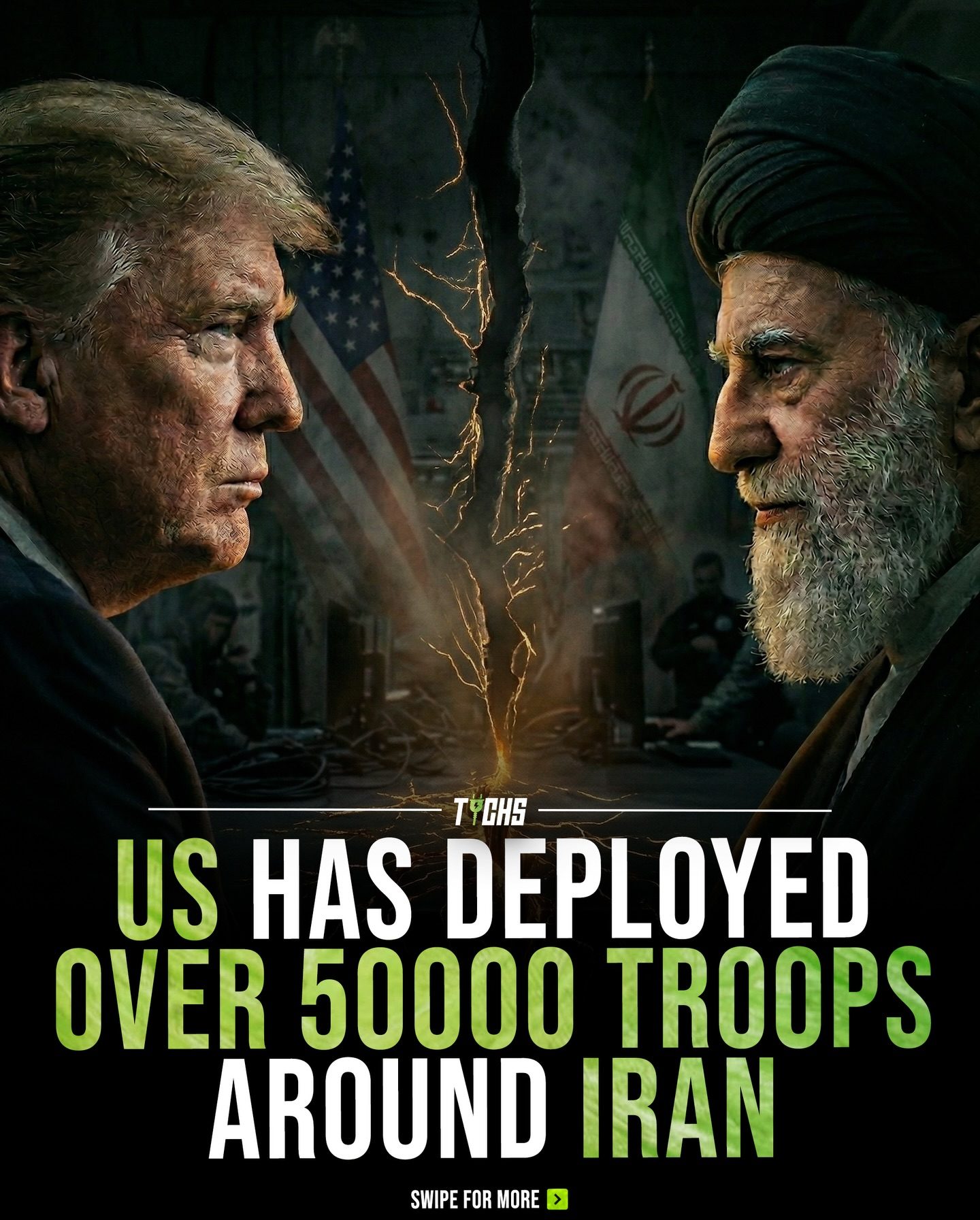
The U.S. has deployed over 50,000 troops around Iran, with a significant number operating from land bases and amphibious ships. This deployment is a clear indication of the heightened tensions between the two nations. The visual representation often includes dramatic images of political figures and national symbols, underscoring the intense nature of the conflict. This deployment is not just about numbers; it's about strategic positioning to respond to potential threats swiftly.
Strategic Nuclear Sites
Two of the most critical nuclear facilities in Iran are Natanz and Isfahan. These sites are central to any strategic planning due to their role in Iran's nuclear program. Natanz, located in a mountainous landscape, is known for its uranium enrichment capabilities. Isfahan, on the other hand, is crucial for nuclear research and development. Both sites are heavily monitored and are key points of interest for global nuclear watchdogs.
The Strait of Hormuz
The Strait of Hormuz is a narrow waterway through which roughly 20% of the world's oil supply passes daily. This makes it a vital chokepoint for global oil supply. Any disruption in this waterway could have far-reaching effects on the global economy. The U.S. military presence in the region ensures that this vital route remains secure, preventing potential disruptions that could lead to global economic instability.
Military Operations and Bases
U.S. forces operate from several strategic bases across the Middle East. Countries like Qatar, Bahrain, Kuwait, and the United Arab Emirates (UAE) host significant U.S. military installations. These bases serve as crucial hubs for rapid response and strategic planning. The presence of these bases allows for a quick deployment of troops and resources in case of any emergency, ensuring that the U.S. can respond effectively to any threats in the region.
Oil Exports and Strategic Points
Kharg Island, located in the Persian Gulf, is a key location for Iran's oil exports. The island handles a significant portion of Iran's oil shipments, making it a critical point for monitoring and ensuring the security of global oil supply routes. The U.S. military presence around Kharg Island is part of a broader strategy to secure oil exports and prevent any potential disruptions that could affect global markets.
Global Updates and Preparedness
The U.S. military's focus on providing global updates and maintaining a state of readiness is evident in its deployment strategies. The ongoing military presence and the continuous sharing of intelligence and updates ensure that the world is kept informed about potential threats and developments in the region. This approach not only helps in maintaining stability but also in providing a clear picture of the geopolitical landscape.
Practical Tips for Understanding the Region
To grasp the complexities of the U.S. military presence in the Middle East, it's essential to stay informed about the key locations and their strategic importance. Here are some practical tips:
- Follow Reliable News Sources: Stay updated with reliable news sources that provide accurate information about U.S. military operations in the Middle East.
- Understand the Key Locations: Familiarize yourself with key locations like Natanz, Isfahan, the Strait of Hormuz, and Kharg Island. Understanding their strategic importance can help in comprehending the broader geopolitical context.
- Monitor Global Oil Supply Routes: Keep an eye on global oil supply routes and the potential disruptions that could affect the global economy.
- Stay Informed About Military Deployments: Pay attention to updates about military deployments and their significance in maintaining global security.
Important Takeaways
The U.S. military presence in the Middle East is a complex and multifaceted issue. Key points to remember include:
- The deployment of over 50,000 troops around Iran highlights the intense nature of U.S.-Iran tensions.
- Strategic nuclear sites like Natanz and Isfahan are central to global nuclear monitoring and strategic planning.
- The Strait of Hormuz is a vital waterway for global oil supply, making its security a top priority.
- U.S. military bases in countries like Qatar, Bahrain, Kuwait, and the UAE are crucial for rapid response and strategic planning.
- Kharg Island is a key location for Iran's oil exports, underscoring the importance of securing global oil supply routes.
- Continuous sharing of global updates and maintaining a state of readiness are essential for maintaining stability in the region.
Conclusion
The United States' military presence in the Middle East is a critical component of global security and stability. By understanding the key deployments, strategic locations, and the significance of oil supply routes, one can gain a deeper appreciation of the geopolitical landscape. Staying informed and vigilant about these developments is essential for navigating the complexities of the region and ensuring global security.
Watch the Reel
Questions readers ask
Why does the U.S. have a significant military presence in the Middle East, particularly around Iran?
The U.S. maintains a strong military presence in the Middle East, especially around Iran, to ensure regional stability, protect global oil supply routes, and monitor Iranian nuclear activities. This strategic position allows for rapid response to potential threats and supports U.S. global security strategy.
What are some key locations for U.S. military bases in the Middle East?
Some key locations for U.S. military bases in the Middle East include areas around Iran, such as the Strait of Hormuz, and specific sites like Isfahan and Natanz. These bases are crucial for monitoring and maintaining security in the region.
How do U.S. military deployments in the Middle East contribute to global security?
U.S. military deployments in the Middle East contribute to global security by safeguarding vital oil supply routes, monitoring nuclear activities, and maintaining regional stability. This presence helps deter potential threats and supports international security efforts.
What is the significance of the Strait of Hormuz in U.S. military strategy?
The Strait of Hormuz is a critical chokepoint for global oil supply. U.S. military presence in this area ensures the security of oil routes, monitors maritime traffic, and responds to potential disruptions or threats, making it a key component of U.S. military strategy in the Middle East.
How does the U.S. military presence in the Middle East support U.S. foreign policy objectives?
The U.S. military presence in the Middle East supports foreign policy objectives by maintaining regional stability, protecting global energy interests, and monitoring nuclear activities. These efforts help to promote peace, deter aggression, and influence geopolitical dynamics in the region.
What role do U.S. troops in Iran play in U.S. military strategy?
U.S. troops in Iran do not exist. Rather, U.S. troops are stationed in locations around Iran, such as nearby countries and strategic points like the Strait of Hormuz, to monitor and respond to potential threats and to support regional stability and security.
How does the U.S. military presence in the Middle East impact global oil supply security?
The U.S. military presence in the Middle East helps secure global oil supply routes, particularly in the Strait of Hormuz. By maintaining stability and deterring disruptions, U.S. forces ensure a steady flow of oil, which is crucial for global energy markets.
Recent articles
Fresh deep dives from the latest Reels we unpacked.




Comments
Be the first to comment.