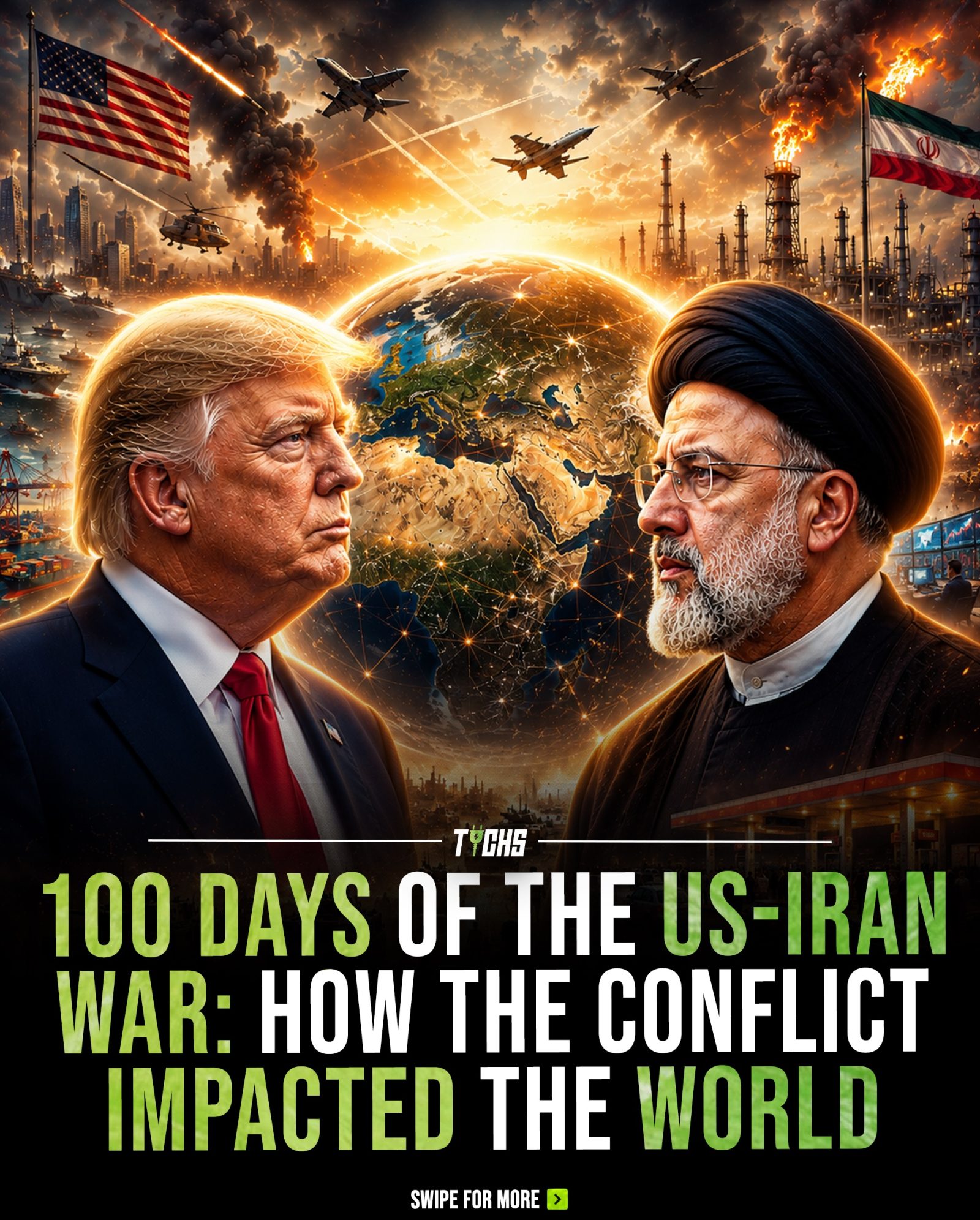
The Global Impact of the US-Iran Conflict
One hundred days after the outbreak of the US-Iran conflict, the repercussions are far-reaching, affecting not just the battlefield but also energy markets, global trade routes, and regional stability. The conflict has shown how regional wars can quickly escalate, causing widespread global economic and geopolitical consequences.
Context / Why This Matters
The Middle East, a region rich in natural resources and strategic significance, has long been a focal point of global geopolitical dynamics. The recent conflict between the United States and Iran is a stark reminder of how local disputes can have far-reaching implications. Understanding the global repercussions is crucial for policymakers, businesses, and individuals alike, as it impacts everything from fuel prices to international trade and regional stability.
The Impact on Energy Markets
The conflict has significantly disrupted energy markets, particularly in the Middle East, a region that produces around 30% of the world's oil. The Strait of Hormuz, a critical passageway for oil tankers, has been particularly affected. Any disruption in this narrow sea route leads to immediate spikes in oil prices and increasing fuel costs globally.
In the aftermath of the conflict, countries like Israel, Jordan, and Iraq have recorded significant casualties, including 26 deaths and 7,791 injuries in Israel. Iraq was also affected by gas flow disruptions. These impacts are not just economic; they have profound social and humanitarian implications, with large-scale displacement and disruption of essential services.
Disruptions in Global Trade
The conflict has also led to major disruptions in global trade. The Strait of Hormuz, which is one of the world's most important trade routes for oil and gas, has been particularly affected. The shipping slowdown in this area has disrupted the flow of these critical resources, impacting global markets. The visual of the congested waterway filled with cargo ships underscores the severity of the situation.
Regional Stability and Diplomatic Tensions
The conflict's impact on regional stability cannot be overstated. The United States and Iran have long been at odds, with their military presence and political influence extending far beyond their borders. The recent conflict has intensified these tensions, leading to increased security concerns and further straining diplomatic relations. This instability has been felt far and wide, affecting neighboring countries and even global powers.
Long-Term Consequences
While markets have adapted to some of the uncertainty, the long-term impacts are still unfolding. Attacks, security concerns, and diplomatic tensions continue to shape the region. The conflict has demonstrated how regional wars can quickly escalate and create global consequences, highlighting the interconnected nature of the modern world.
Practical Tips
For those navigating this complex landscape, here are some practical tips:
- Stay Informed: Keep up with the latest developments in the Middle East. Understanding the current situation can help in making informed decisions.
- Diversify Energy Sources: Countries relying heavily on oil from the Middle East should consider diversifying their energy sources to mitigate risks.
- Invest Wisely: Businesses and investors should assess the geopolitical risks when making investment decisions in the region.
- Prepare for Uncertainty: Have contingency plans in place for potential disruptions in supply chains and energy flows.
Important Takeaways
- Global Reach: The US-Iran conflict has far-reaching impacts, affecting energy markets, global trade, and regional stability.
- Disruption of Essential Routes: Critical trade routes, such as the Strait of Hormuz, have been significantly disrupted, leading to global economic consequences.
- Humanitarian Impact: The conflict has led to significant casualties and displacement, highlighting the humanitarian cost of war.
- Diplomatic Tensions: The conflict has intensified diplomatic tensions, affecting regional stability and international relations.
Conclusion
The US-Iran conflict serves as a stark reminder of how regional disputes can have far-reaching global consequences. From disrupted energy markets and trade routes to heightened diplomatic tensions, the impacts are profound and long-lasting. Staying informed, diversifying resources, and preparing for uncertainty are crucial steps for navigating this complex geopolitical landscape.
Watch the Reel
Questions readers ask
How has the US-Iran conflict influenced global oil prices?
The US-Iran conflict has led to significant fluctuations in global oil prices due to the Middle East's role as a major oil producer. The uncertainty and potential disruptions in oil supply have caused prices to spike, affecting economies worldwide. Additionally, market speculation and geopolitical tensions have further exacerbated these price changes.
What are the primary trade disruptions caused by the US-Iran conflict?
The conflict has caused significant disruptions in trade routes, particularly in the Strait of Hormuz, a critical waterway for global oil trade. Ships passing through the region have faced increased risks, leading to rerouting or delays. These disruptions have impacted the flow of goods and commodities, including oil, affecting international supply chains and trade dynamics.
How has the conflict affected regional stability in the Middle East?
The US-Iran conflict has destabilized the region, causing shifts in political alliances and increasing tensions among neighboring countries. The escalation of violence and the potential for further conflicts have created an environment of uncertainty, impacting both economic and security dynamics in the Middle East.
What is the significance of the Middle East in global oil trade?
The Middle East is a pivotal region for global oil trade due to its vast reserves and strategic location. Countries like Saudi Arabia, Iran, and others in the Persian Gulf are major oil exporters, making the region central to the global energy market. Disruptions in this area can have ripple effects across the global economy, affecting everything from energy costs to trade agreements.
How has the US-Iran conflict impacted energy markets worldwide?
The conflict has introduced considerable volatility into energy markets, with fears of supply disruptions leading to increased prices. The uncertainty has caused market participants to reevaluate their strategies, including shifting to alternative energy sources. Overall, the conflict has highlighted the interconnected nature of global energy markets, where events in one region can have widespread effects.
What steps can businesses take to mitigate the economic consequences of the US-Iran conflict?
Businesses can mitigate the economic consequences by diversifying their supply chains to reduce reliance on affected regions. It is also crucial to monitor global market trends, maintain flexible operations, and consider alternative energy sources to reduce their exposure to price volatility. Staying informed through reliable news sources and consulting with experts can also provide a clearer picture of potential impacts and strategies.
How might the US-Iran conflict influence global trade policies?
The conflict could prompt a reevaluation of global trade policies, particularly those related to energy security and regional stability. Countries may seek to reduce their dependence on Middle Eastern oil by increasing domestic production, exploring renewable energy sources, or diversifying their energy imports. Trade agreements and alliances could also be reassessed to ensure stability and security in global trade routes.
Recent articles
Fresh deep dives from the latest Reels we unpacked.




Comments
Be the first to comment.