Geopolitical Tensions in the Middle East: The Latest Developments
On July 14, the geopolitical landscape in the Middle East saw a significant escalation as the United States and Iran engaged in a series of reciprocal strikes. The US military conducted airstrikes on several Iranian cities, including Bushehr, Bandar Abbas, Mahshahr, and Abadan, marking a substantial intensification of the ongoing conflict.
Context / Why this matters
The recent events in the Middle East are part of a broader, ongoing conflict between the United States and Iran. This conflict has been characterized by periods of high tension and occasional outbreaks of violence. The most recent escalation involves multiple incidents that have heightened concerns about regional stability and global oil markets.
Main discussion
The US Military Strikes on Iran
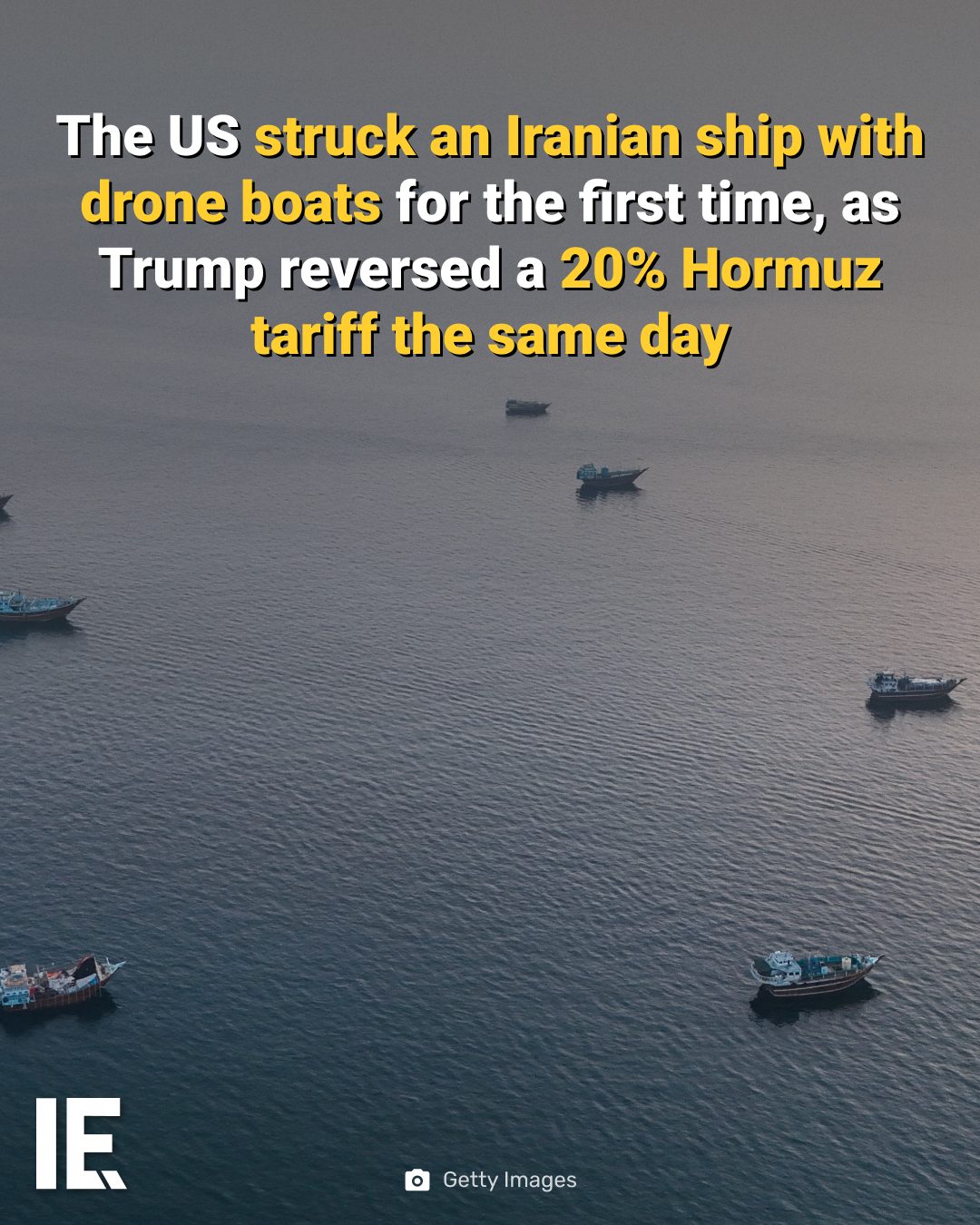
On July 14, US military forces conducted new strikes on Iran, targeting several key locations. According to Al Jazeera, the US employed drone boats for the first time in a strike on an Iranian vessel. The use of drone boats is notable as it represents a new tactic in the US military's arsenal and highlights the evolving nature of modern warfare.
Iranian Retaliation
Iranian state media reported explosions in multiple cities, including Bushehr, Bandar Abbas, Mahshahr, and Abadan. In response to the US strikes, Iran retaliated by attacking US sites in Kuwait, Bahrain, and Jordan. Additionally, Iran targeted two oil supertankers in the Strait of Hormuz, a critical waterway for global oil transport. The UAE reported that two of its national vessels were hit by Iranian cruise missiles, and India summoned an Iranian official after an Indian crew member was killed, and others were wounded.
Economic Implications
President Trump's actions on July 14 also included a reversal of a previously announced 20% tariff on ships passing through the Strait of Hormuz. This decision had initially rattled global oil markets, but its reversal aimed to stabilize prices and reduce economic uncertainty. The tariff reversal is a significant move that could have far-reaching economic implications, as the Strait of Hormuz is a crucial route for oil exports from the Middle East.
The Escalating US-Iran Conflict
The recent exchanges mark a significant intensification of the US-Iran conflict, which has been ongoing for weeks. The use of drone boats by the US and the retaliatory strikes by Iran highlight the increasing militarization of the conflict. The conflict has broader implications for regional stability and global energy markets.
Impact on Regional Stability
The recent strikes and retaliations have raised concerns about regional stability. The Strait of Hormuz, in particular, is a critical choke point for global oil exports. Any disruption in this area can have significant economic repercussions worldwide. The involvement of multiple countries, including the UAE and India, further complicates the situation and underscores the need for diplomatic efforts to de-escalate tensions.
Practical tips
-
Stay Informed: Keep up with reliable news sources to stay informed about the latest developments in the region. Understanding the context and implications of these events is crucial for making informed decisions.
-
Monitor Oil Markets: The recent events have the potential to impact global oil markets. Stay updated on oil prices and market trends to anticipate potential economic impacts.
-
Avoid Speculation: While the situation is dynamic, avoid making decisions based on speculation. Reliable information is key to navigating uncertain times.
Important takeaways
- New Tactic: The US military's use of drone boats in striking an Iranian vessel marks a new tactic in modern warfare.
- Economic Implications: The reversal of the 20% tariff on ships passing through the Strait of Hormuz is a significant move with potential economic repercussions.
- Regional Stability: The recent exchanges highlight the need for diplomatic efforts to de-escalate tensions and maintain regional stability.
Conclusion
On July 14, the US-Iran conflict saw a significant escalation with reciprocal strikes and retaliations. The use of new military tactics, the economic implications of the tariff reversal, and the broader impact on regional stability are all critical aspects to consider. Staying informed and monitoring developments in the region is essential for navigating the complexities of this ongoing conflict.
Watch the Reel
Questions readers ask
What cities in Iran were targeted by the US airstrikes on July 14?
The US airstrikes on July 14 targeted several key Iranian cities, including Bushehr, Bandar Abbas, Mahshahr, and Abadan. These cities were chosen for their strategic importance in Iran's military and economic infrastructure.
What is the significance of the Strait of Hormuz in the US-Iran conflict?
The Strait of Hormuz is a critical chokepoint for global oil supplies, with about 20% of the world's petroleum passing through it. The recent drone boat attacks in the Strait of Hormuz highlight the potential for disruptions in oil supplies, which can have significant economic implications worldwide.
What types of attacks were conducted by both the US and Iran on July 14?
On July 14, both the US and Iran engaged in a series of reciprocal strikes, including airstrikes and drone boat attacks. These tactics showcase the evolving nature of modern warfare, with a mix of conventional and unconventional methods being employed.
Why is the recent escalation in the US-Iran conflict concerning to regional stability?
The recent escalation is concerning due to the potential for further military engagements and retaliatory attacks. As tensions rise, there is a heightened risk of larger-scale conflict, which could significantly destabilize the region and draw in other actors.
What are the potential impacts of the US-Iran conflict on global oil markets?
The US-Iran conflict can disrupt global oil supplies, particularly in the Strait of Hormuz. This could lead to price volatility, supply shortages, and increased uncertainty in global energy markets, affecting economies worldwide.
What can be inferred about Iran's military tactics based on the recent attacks?
The recent attacks suggest that Iran is employing a mix of conventional and unconventional military tactics, including the use of drone boats. These tactics are designed to challenge US military capabilities and potentially inflict economic damage through disruption of key infrastructure.
Related deep dives
Similar reads based on topic and creator.



Recent articles
Fresh deep dives from the latest Reels we unpacked.




Comments
Be the first to comment.