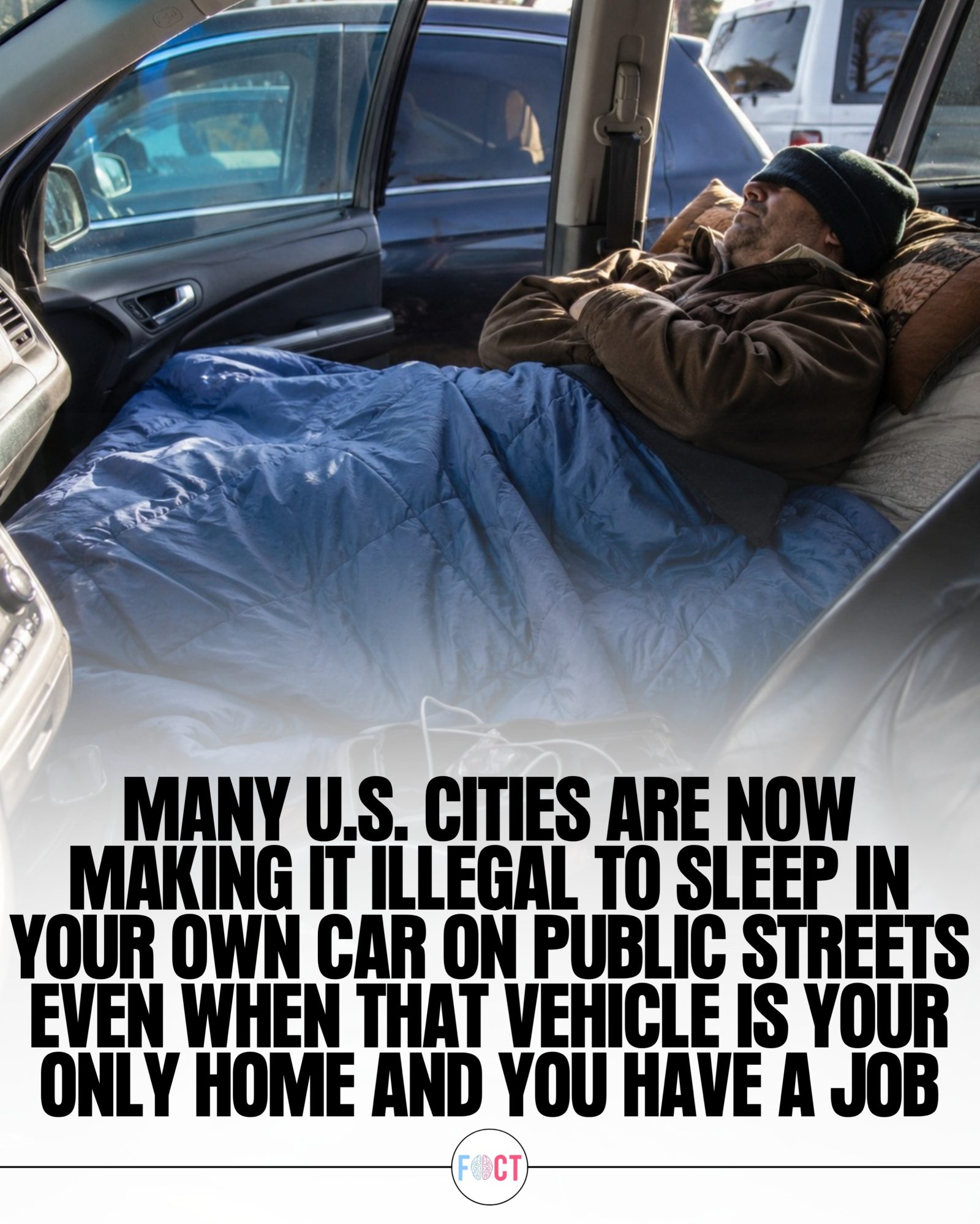
Sleeping in Cars and Legal Restrictions
Many U.S. cities are implementing ordinances that prohibit sleeping overnight in vehicles parked on public streets. This issue is particularly relevant for individuals who are employed but living in their cars due to housing affordability.
Context / Why this matters
The enforcement of these ordinances has sparked significant debate. Supporters argue that these rules are necessary to address public safety and neighborhood concerns. Critics, however, contend that these laws criminalize homelessness and exacerbate the challenges faced by individuals experiencing housing insecurity. For many, a car is the only available shelter, and losing it can push them further into a cycle of poverty.
Main discussion
The Scope of the Issue
The problem of sleeping in cars affects a wide range of people, including those who are employed but unable to afford stable housing. Cities across the United States are enacting laws that make it illegal to sleep in one's own car on public streets, even when the vehicle is the person's only home. This means that individuals who are already struggling with financial instability are now facing additional legal and financial burdens.
Legal Consequences
Violations of these ordinances can result in a variety of legal consequences, including citations, fines, and vehicle towing. In some jurisdictions, repeated violations can lead to more severe penalties. For someone living in their car, the towing of their vehicle can mean the loss of their home, their belongings, and their means of transportation to work.
Public Safety vs. Housing Insecurity
Supporters of these ordinances often cite public safety and neighborhood concerns as primary motivations. They argue that allowing people to sleep in their cars on public streets can lead to increased crime, litter, and public health issues. By enforcing these laws, cities aim to maintain orderly neighborhoods and ensure public safety.
Critics, on the other hand, argue that these laws do more harm than good. They contend that criminalizing homelessness pushes people further into the margins, making it even harder for them to regain financial stability. For individuals who are employed but living in their cars, the loss of their vehicle can mean the loss of their job, as they may not have another means of transportation.
The Role of Housing Insecurity
Housing insecurity is a complex issue that affects millions of Americans. For many, living in a car is a temporary solution to a larger problem. These individuals may be one missed paycheck or unexpected expense away from losing their car and their home. The implementation of laws that make it illegal to sleep in one's own car on public streets can exacerbate this problem, pushing people further into a cycle of poverty and homelessness.
Alternative Solutions
Instead of criminalizing homelessness, some advocates call for more compassionate and effective solutions. This includes increasing access to affordable housing, providing temporary shelter options, and offering support services to help individuals regain financial stability. By addressing the root causes of housing insecurity, cities can work towards reducing homelessness and improving public safety.
Practical tips
For People Living in Their Cars
If you or someone you know is living in a car, it's essential to be aware of local ordinances and their implications. Here are some practical tips:
- Know the Law: Familiarize yourself with local laws and regulations regarding sleeping in vehicles. Knowing the rules can help you avoid legal issues and understand your rights.
- Seek Assistance: Reach out to local homelessness organizations and support services. They can provide valuable resources and assistance in finding temporary or permanent housing solutions.
- Stay Organized: Keep important documents and belongings organized and secure. This can help you move quickly if your vehicle is towed and ensure that you have access to essential documents and items.
- Network: Build connections with local communities and support groups. These networks can provide emotional support, practical advice, and resources.
For Community Members
If you see someone sleeping in their car, consider the following steps:
- Be Compassionate: Understand that the person may be facing significant challenges and difficulties. A kind word or gesture can make a difference.
- Offer Assistance: If you have the means, offer to help. This could be in the form of food, clothing, or information about local resources and support services.
- Report Safely: If you feel unsafe or unsure, contact local authorities or support organizations. They can provide guidance and assistance while ensuring public safety.
Important takeaways
Sleeping in cars and the legal restrictions surrounding it highlight a broader issue of housing insecurity in the United States. Understanding the complexities of this issue is crucial for creating effective solutions that address both public safety and the needs of individuals experiencing homelessness. Here’s what to remember:
- Many cities are implementing ordinances that prohibit sleeping in vehicles on public streets, impacting those who are employed but cannot afford housing.
- These laws can lead to legal consequences such as citations, fines, and vehicle towing, exacerbating the challenges faced by individuals experiencing housing insecurity.
- Advocates call for more compassionate and effective solutions, such as increasing access to affordable housing and providing support services.
Conclusion
Legal restrictions on sleeping in cars on public streets are a contentious issue that highlights the broader problem of housing insecurity. While supporters argue for the need to address public safety and neighborhood concerns, critics contend that these laws criminalize homelessness and push individuals further into poverty. By understanding the complexities of this issue and advocating for more compassionate solutions, we can work towards addressing housing insecurity and improving public safety.
Watch the Reel
Questions readers ask
What are the primary reasons cities give for banning overnight parking and sleeping in vehicles?
Cities often cite public safety concerns and the need to maintain neighborhood aesthetics as the main reasons for implementing these bans. They argue that vehicles parked overnight can attract crime, create litter, and cause other disturbances, which can impact the quality of life for residents.
How do these laws impact individuals experiencing homelessness?
For many individuals experiencing homelessness, sleeping in their vehicles is often a last resort due to lack of affordable housing. Banning overnight parking can force these individuals into even more precarious situations, such as sleeping on the streets, which can exacerbate their housing instability and overall well-being.
Are there any exceptions or alternatives to these bans?
Some cities offer exceptions for individuals with medical conditions or those who can prove they are temporarily residing in their vehicles due to financial hardship. A few cities have also implemented alternative solutions, such as designated safe parking areas, where individuals can sleep in their vehicles legally and safely.
What are the arguments made by supporters of these bans?
Supporters of these bans often emphasize the importance of public safety and neighborhood upkeep. They believe that prohibiting overnight vehicle residence can help reduce crime, prevent littering, and maintain the overall cleanliness and safety of public spaces.
How do critics of these laws respond to public safety concerns?
Critics acknowledge the importance of public safety but argue that criminalizing homelessness is not the solution. They propose that resources should be directed towards addressing the root causes of homelessness, such as affordable housing shortages and economic instability, rather than penalizing individuals for their living situations.
Recent articles
Fresh deep dives from the latest Reels we unpacked.




Comments
Be the first to comment.