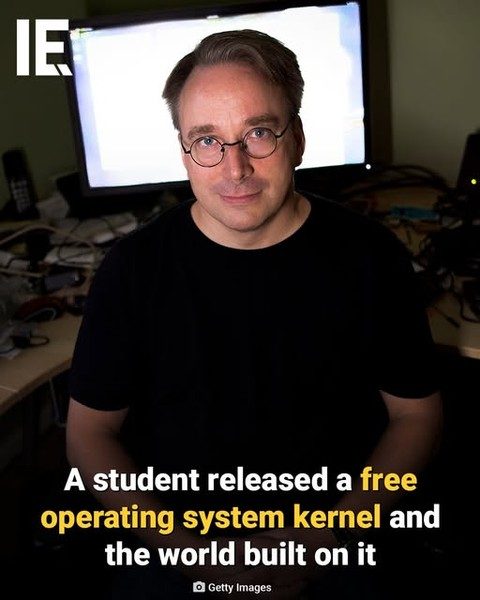
Linus Torvalds and the Linux Revolution
Linus Torvalds, a name synonymous with open-source innovation, changed the landscape of computing forever. In 1991, while still a computer science student, Torvalds released a free operating system kernel and invited anyone online to study and improve it. This decision launched Linux, which has since become the foundation of modern computing.
Why This Matters
The impact of Linux is vast and far-reaching. It powers most of the web infrastructure, every top supercomputer, and billions of Android devices worldwide. Understanding the origins and evolution of Linux provides a deeper appreciation for the technology that underpins so much of our digital world.
The Birth of Linux
A Student's Vision
Linus Torvalds was a 21-year-old computer science student at the University of Helsinki when he began working on the Linux kernel. Frustrated with the limitations of existing operating systems, he decided to create his own. His original intent was to build a free, Unix-like operating system that he could share with the public.
The Power of Open-Source
Torvalds released the Linux kernel under an open-source license, allowing anyone to use, modify, and distribute the code. This approach fostered a collaborative environment where developers worldwide contributed to its improvement. The decision to make the code open-source was pivotal, as it allowed for rapid development and widespread adoption.
The Evolution of Linux
From Hobbies to Professionals
Initially, Linux was a hobby project for Torvalds and a small group of enthusiasts. However, as more people contributed to the codebase, it evolved into a robust and reliable operating system. Over time, Linux became a professional-grade solution used by businesses, governments, and educational institutions worldwide.
Running the World
Linux now runs most of the web infrastructure, including servers that host websites, handle emails, and manage databases. It powers every top supercomputer, enabling complex simulations, data analysis, and scientific research. Additionally, Android—the world's most popular mobile operating system—is built on the Linux kernel.
The Impact on Technology
Open-Source Innovation
Linux has set a precedent for open-source innovation. Its success has inspired countless other projects and communities to adopt the open-source model, leading to a wealth of free and collaborative software. This model has democratized technology, making it accessible to anyone with an internet connection.
Market Competition
The open-source nature of Linux has also influenced the broader tech industry. Proprietary software companies have had to adapt to the competitive pressure, leading to more feature-rich and user-friendly products. The presence of Linux has pushed the boundaries of what is possible in the tech industry, driving innovation and excellence.
Practical Tips for Exploring Linux
Getting Started
If you're new to Linux, the best way to start is by choosing a user-friendly distribution. Ubuntu, Linux Mint, and Fedora are excellent options for beginners. These distributions come with a graphical interface, making it easier to navigate and install software.
Learning the Basics
Begin by familiarizing yourself with the command line. Tools like the terminal can be intimidating at first, but mastering a few basic commands will greatly enhance your productivity. Explore online resources like tutorials, forums, and documentation to deepen your understanding.
Joining the Community
One of the best aspects of Linux is its vibrant and supportive community. Joining forums, attending meetups, and participating in online discussions can provide valuable insights and assistance. The collaborative nature of the Linux community is a significant part of its appeal.
Important Takeaways
Linus Torvalds' decision to release the Linux kernel as open-source has had a profound impact on the tech industry. It has empowered developers worldwide, driven innovation, and set a precedent for collaborative software development. Linux has become the backbone of modern computing, powering everything from web infrastructure to supercomputers and mobile devices.
Conclusion
Linus Torvalds' vision for an open, collaborative operating system has transformed the tech landscape. Linux is more than just a piece of software—it is a testament to the power of open-source innovation and community collaboration. As we continue to rely on technology in our daily lives, understanding the origins and impact of Linux provides a deeper appreciation for the foundations of our digital world.
Watch the Reel
Questions readers ask
What motivated Linus Torvalds to create Linux in 1991?
Linus Torvalds initially created Linux as a hobby project while he was a computer science student. He wanted to develop a free, open-source operating system kernel that would allow anyone to study, modify, and improve it, fostering a spirit of collaborative development.
What was the significance of the 1991 Linux release?
The 1991 release of Linux marked a pivotal moment in tech history. It introduced a free, open-source kernel that rapidly evolved, becoming a cornerstone of modern computing, powering web infrastructure, supercomputers, and billions of Android devices.
How did collaborative development shape Linux's growth?
Linux’s growth was significantly driven by collaborative development. Torvalds' decision to make the source code open and accessible allowed developers worldwide to contribute, leading to rapid improvements and a robust, versatile operating system.
What role does Linux play in modern technology?
Linux is integral to modern technology, powering most of the world's web infrastructure, every top supercomputer, and billions of Android devices. Its widespread use underscores its reliability and flexibility in various computing environments.
How has Linux influenced the tech industry?
Linux has transformed the tech industry by demonstrating the power of open-source collaboration. Its impact extends across various sectors, from web infrastructure to supercomputing and mobile devices, making it a foundational technology in our digital world.
What is the connection between Linux and Android devices?
Linux serves as the foundation for the Android operating system, which powers billions of smartphones and tablets globally. The open-source nature of Linux has enabled Android to become a dominant platform in the mobile device market.
Why is Linus Torvalds' decision to release the Linux kernel for free so impactful?
Linus Torvalds' decision to release the Linux kernel for free allowed for widespread adoption and rapid development. This openness fostered a global community of developers who contributed to its growth, making Linux a versatile and powerful technology available to all.
Related deep dives
Similar reads based on topic and creator.


Recent articles
Fresh deep dives from the latest Reels we unpacked.




Comments
Be the first to comment.