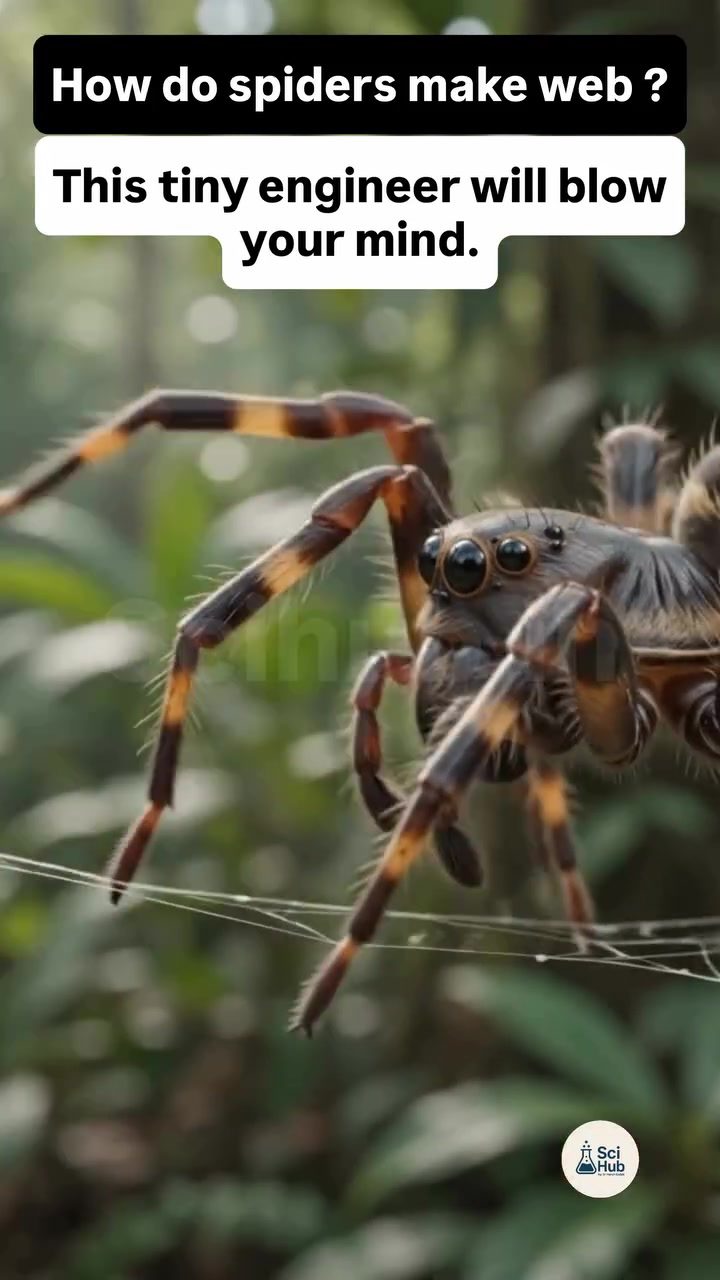
Spider webs are a marvel of nature's engineering, and understanding how spiders build these intricate structures is fascinating. The process involves a series of well-planned steps that transform a few strands of silk into an efficient trap for flying insects. Let's delve into the details of spider web construction.
Context and Why It Matters
Spider webs are more than just sticky traps; they are architectural masterpieces that have evolved over millions of years. Each web is a testament to the spider's engineering prowess, utilizing different types of silk for various functions. The construction of a spider web involves several key steps, each crucial to the web's overall strength and effectiveness.
The Process of Spider Web Construction
1. The Initial Bridge Line
The construction of a spider web begins with a single silk thread, known as the bridge line. This thread is often carried by the wind until it attaches to another surface. Once this initial bridge is secured, the spider focuses on strengthening it, laying the foundation for the rest of the web.
2. Building the Frame
Using the bridge line as its foundation, the spider builds a strong outer frame. This frame provides the structural support necessary for the web. The spider then adds radial threads, creating a framework that resembles the spokes of a bicycle wheel. These radial threads provide additional support and stability to the web.
3. The Sticky Spiral
The final step in the construction process involves spinning a sticky spiral from the outside toward the center of the web. This spiral is coated with droplets of sticky glue, which help to capture the insects that become the spider's prey. The spiral is strategically placed to maximize the likelihood of catching insects while minimizing the amount of silk used.
The Role of Spider Silk
Spider silk is a remarkable material that plays a crucial role in the construction and function of the web. Produced from specialized silk glands, spider silk is incredibly strong for its weight and highly flexible. Different types of silk are used for different parts of the web:
- Strong Silk: This type of silk provides the structural integrity of the web, supporting the overall framework.
- Sticky Silk: Coated with droplets of glue, this silk is used to capture prey. It is strategically placed in the spiral to ensure that insects become entangled.
- Vibration Silk: This silk transmits vibrations to the spider, alerting it to the presence of trapped prey.
Practical Tips for Observing Spider Webs
Whether you're a nature enthusiast or simply curious about the intricacies of spider webs, here are some practical tips for observing and understanding these remarkable structures:
- Look for Different Types of Webs: Not all spider webs are the same. Orb-weaver spiders, for example, are known for their circular webs with radial threads and a sticky spiral. Other spiders, like funnel-web spiders, build webs with a funnel-shaped retreat.
- Observe the Spider's Movement: Pay attention to how the spider moves within its web. It often vibrates the web to detect prey or to communicate with other spiders.
- Examine the Silk: If you can, use a magnifying glass to examine the silk strands. You'll notice the different types of silk used for various parts of the web and the intricate patterns they form.
Important Takeaways
Spider webs are a marvel of nature's engineering, showcasing the incredible adaptability and resourcefulness of spiders. The construction of a spider web is a multi-step process that involves spinning silk from specialized organs called spinnerets. Each type of silk serves a specific purpose, whether it's providing structural support, capturing prey, or transmitting vibrations. The next time you encounter a spider web, take a moment to appreciate the complexity and precision involved in its creation.
Conclusion
Spider web construction is a fascinating process that highlights the remarkable engineering skills of spiders. From the initial bridge line to the sticky spiral, every step is carefully planned and executed. By understanding the intricacies of spider web construction, we gain a deeper appreciation for the natural world and the incredible adaptations that allow spiders to thrive.
Watch the Reel
Questions readers ask
What are the different types of silk used in spider web construction?
Spiders use multiple types of silk to construct their webs. Dragline silk, for example, is strong and used for structural components, while capture spiral silk is sticky and designed to ensnare prey. Other types include attachment silk, which secures the web to surfaces, and frame silk, which provides the web's basic framework. Each silk type serves a specific function, contributing to the web's overall effectiveness.
How do spiders begin the process of building a web?
Spiders typically start by creating an initial bridge line, which involves shooting a strand of silk into the air and waiting for it to catch onto a nearby surface. Once secured, the spider will cross this line to create a Y-shaped structure, which serves as the foundation for the rest of the web. This initial framework sets the stage for the more intricate parts of the web to follow.
What role does silk strength play in spider web functionality?
Silk strength is crucial for the functionality of a spider web. Strong silks, like dragline silk, provide the structural integrity needed to support the web's shape and withstand the forces exerted by prey. The combination of strong and sticky silks ensures that the web can both capture and contain insects effectively, making it a highly efficient trapping mechanism.
How do spiders ensure the stability of their webs over time?
Spiders employ several strategies to maintain web stability. They regularly reinforce their webs with additional silk, repair any damaged sections, and even rebuild the entire web if necessary. Additionally, spiders are known to vibrate their webs to detect and respond to disturbances, allowing them to quickly address any issues that might compromise the web's integrity.
What is the purpose of the capture spiral in a spider web?
The capture spiral is a critical component of a spider web, designed to ensnare flying insects. This spiral is composed of sticky silk that adheres to prey upon contact, making it difficult for insects to escape. The capture spiral is strategically placed within the web's framework, ensuring that any insect that flies into the web becomes trapped and unable to move freely.
How do environmental factors influence the development of a spider web?
Environmental factors such as humidity, wind, and temperature can affect the development and maintenance of a spider web. For instance, high humidity can make the silk more elastic, while wind can disperse silk strands during construction. Spiders adapt to these conditions by adjusting the placement and reinforcement of their webs, ensuring that the final structure remains effective despite environmental challenges.
Why is the construction of a spider web a testament to nature's engineering?
Spider web construction is a testament to nature's engineering because it involves a complex, multi-stage process that results in a highly efficient and functional structure. The precise use of different silk types, the strategic placement of web components, and the spider's adaptability to environmental conditions all demonstrate a level of sophistication that rivals many man-made designs. This intricate process has evolved over millions of years, showcasing the spider's remarkable ability to create effective traps for survival.
Related deep dives
Similar reads based on topic and creator.




Recent articles
Fresh deep dives from the latest Reels we unpacked.




Comments
Be the first to comment.