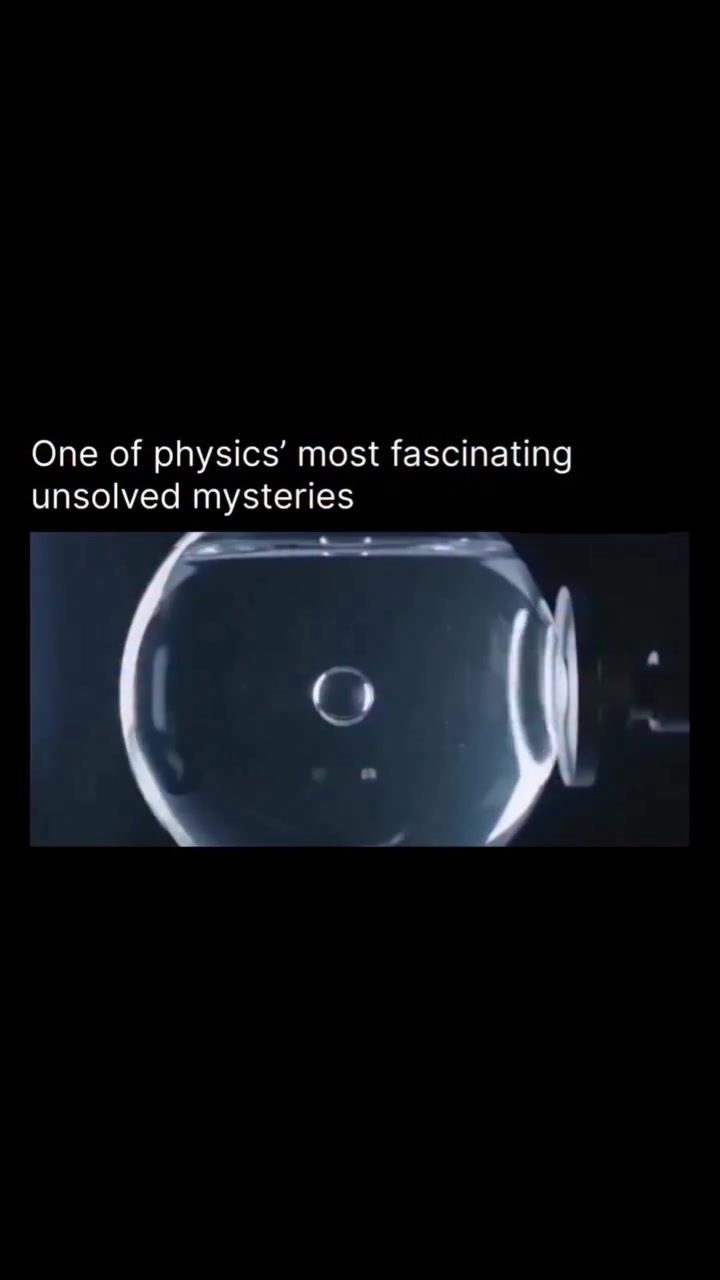
Sonoluminescence: The Phenomenon of Sound Creating Light
Ultrasonic sound waves creating visible light — sonoluminescence is a curious phenomenon that reveals the invisible power of sound. This fascinating process occurs when powerful ultrasonic waves pass through a liquid, generating microscopic bubbles that emit light as they collapse in the blink of an eye. While scientists can reliably reproduce this effect in laboratories, the precise mechanism behind it remains one of physics' most intriguing unsolved mysteries.
Why This Matters
Understanding sonoluminescence has implications beyond satisfying scientific curiosity. The extreme conditions created during the collapse of these microscopic bubbles offer insights into fluid dynamics, materials science, and even the physics of stars. Additionally, sonoluminescence could have practical applications, such as in advanced imaging or medical treatments, although these are still areas of active research.
The Science Behind Sonoluminescence
The Formation of Bubbles
The process of sonoluminescence begins with the application of powerful ultrasonic waves to a liquid. These waves create microscopic bubbles within the liquid. The process is similar to the formation of bubbles in a glass of carbonated soda, but it occurs at a much smaller scale and with far greater control.
The Collapse of Bubbles
As the ultrasonic waves continue to travel through the liquid, the bubbles rapidly expand and then collapse. This collapse is not a gentle process; it creates some of the most extreme conditions found in a liquid. The gas trapped inside the bubble is compressed to incredibly high temperatures and pressures, resulting in a brief, intense burst of light.
The Emission of Light
The light emitted during this collapse is incredibly brief, lasting only billionths of a second. Scientists have studied and can reproduce this effect in a controlled laboratory environment, but the exact mechanism behind the light emission is still being investigated. The intensity and duration of the light pulses vary depending on the frequency and power of the ultrasonic waves, as well as the type of liquid used.
Practical Tips for Exploring Sonoluminescence
While sonoluminescence is typically studied in a controlled laboratory environment, there are a few practical tips for those interested in exploring this phenomenon:
Equipment Needed
To observe sonoluminescence, you'll need a high-frequency ultrasonic transducer capable of generating powerful sound waves. This is typically a piezoelectric transducer that can produce frequencies in the range of 20 kHz to 1 MHz. Additionally, you'll need a liquid medium, such as water or a specialized fluid, in which the bubbles can form and collapse.
Setting Up the Experiment
The setup involves suspending the ultrasonic transducer in the liquid and applying a controlled electrical signal to generate the sound waves. The liquid should be contained in a transparent vessel to allow for visual observation of the light pulses. A high-speed camera or other sensitive light-detecting equipment is often used to capture the brief flashes of light.
Safety Precautions
It's essential to take safety precautions when working with high-frequency ultrasonic waves. Prolonged exposure to these waves can be harmful, and the equipment should be used in a well-ventilated area. Ensure that the ultrasonic transducer is properly calibrated and that the liquid used is non-toxic and safe for handling.
Important Takeaways
Sonoluminescence is a fascinating phenomenon that demonstrates the power of sound to create visible light. The process involves the formation and rapid collapse of microscopic bubbles within a liquid, generating extreme conditions that emit light pulses. While the exact mechanism behind this light emission is still under investigation, the potential applications of this phenomenon are vast and varied.
Research Implications
The study of sonoluminescence offers valuable insights into fluid dynamics and the behavior of matter under extreme conditions. It also provides a unique opportunity to explore the interaction between sound and light, which could lead to new discoveries in both fields.
Industrial and Medical Applications
In the realm of industry, sonoluminescence could have applications in advanced imaging and materials science. For example, it could be used to study the behavior of materials under extreme conditions or to develop new imaging techniques. In medicine, sonoluminescence holds promise for noninvasive diagnostic tools and treatments, such as targeted drug delivery.
Conclusion
Sonoluminescence is a remarkable and intriguing phenomenon that showcases the power of sound to create light. The process involves the formation and collapse of microscopic bubbles in a liquid, resulting in the emission of brief but intense flashes of light. While the exact mechanism behind this light emission is still being investigated, the potential applications of this phenomenon are vast and varied. From advancing our understanding of fluid dynamics to developing new medical treatments, sonoluminescence offers a wealth of possibilities for future research and innovation.
Watch the Reel
Questions readers ask
What exactly is sonoluminescence and how does it work?
Sonoluminescence is the phenomenon where sound waves passing through a liquid create tiny bubbles that emit brief, intense flashes of light as they collapse. This process involves powerful ultrasonic waves generating microscopic bubbles in a liquid, which then implode, releasing a sudden burst of light.
Why do the microbubbles in sonoluminescence emit light?
The light emission from microbubbles in sonoluminescence is due to the extreme conditions created during their collapse. When the bubbles implode, the pressure and temperature inside them spike dramatically, reaching levels that can ionize the gas and emit light.
What are the potential applications of sonoluminescence?
Sonoluminescence has potential applications in medical treatments, such as targeted drug delivery and non-invasive surgery. It also offers advancements in imaging techniques and materials science, providing insights into fluid dynamics and the behavior of materials under extreme conditions. Additionally, it could be used to sterilize medical instruments without heat.
Can sonoluminescence be observed outside of a laboratory setting?
While sonoluminescence can be reliably reproduced in laboratories, observing it outside of controlled settings is challenging. The phenomenon requires specific conditions, including powerful ultrasonic waves and a suitable liquid medium, which are typically only achievable in a laboratory environment.
What are the key factors affecting the light emission in sonoluminescence?
The intensity and duration of the light emitted during sonoluminescence depend on several factors, including the frequency and power of the sound waves, the type of liquid used, and the size and stability of the microbubbles. These factors collectively influence the conditions within the collapsing bubbles, affecting the light emission.
How does sonoluminescence contribute to our understanding of fluid dynamics?
Sonoluminescence provides valuable insights into fluid dynamics by allowing scientists to study the behavior of liquids under extreme conditions. The collapse of microbubbles creates localized regions of high pressure and temperature, mimicking conditions found in other high-energy processes, thus offering a unique window into fluid behavior.
What are the challenges in fully understanding the physics behind sonoluminescence?
Despite reliable laboratory reproduction, the precise mechanism behind sonoluminescence remains a mystery. The extremely short duration of the light burst and the complex interplay of fluid dynamics, thermodynamics, and acoustics make it challenging to study in detail. Advances in high-speed imaging and computational modeling are helping to shed light on these intricate processes.
Related deep dives
Similar reads based on topic and creator.




Recent articles
Fresh deep dives from the latest Reels we unpacked.




Comments
Be the first to comment.