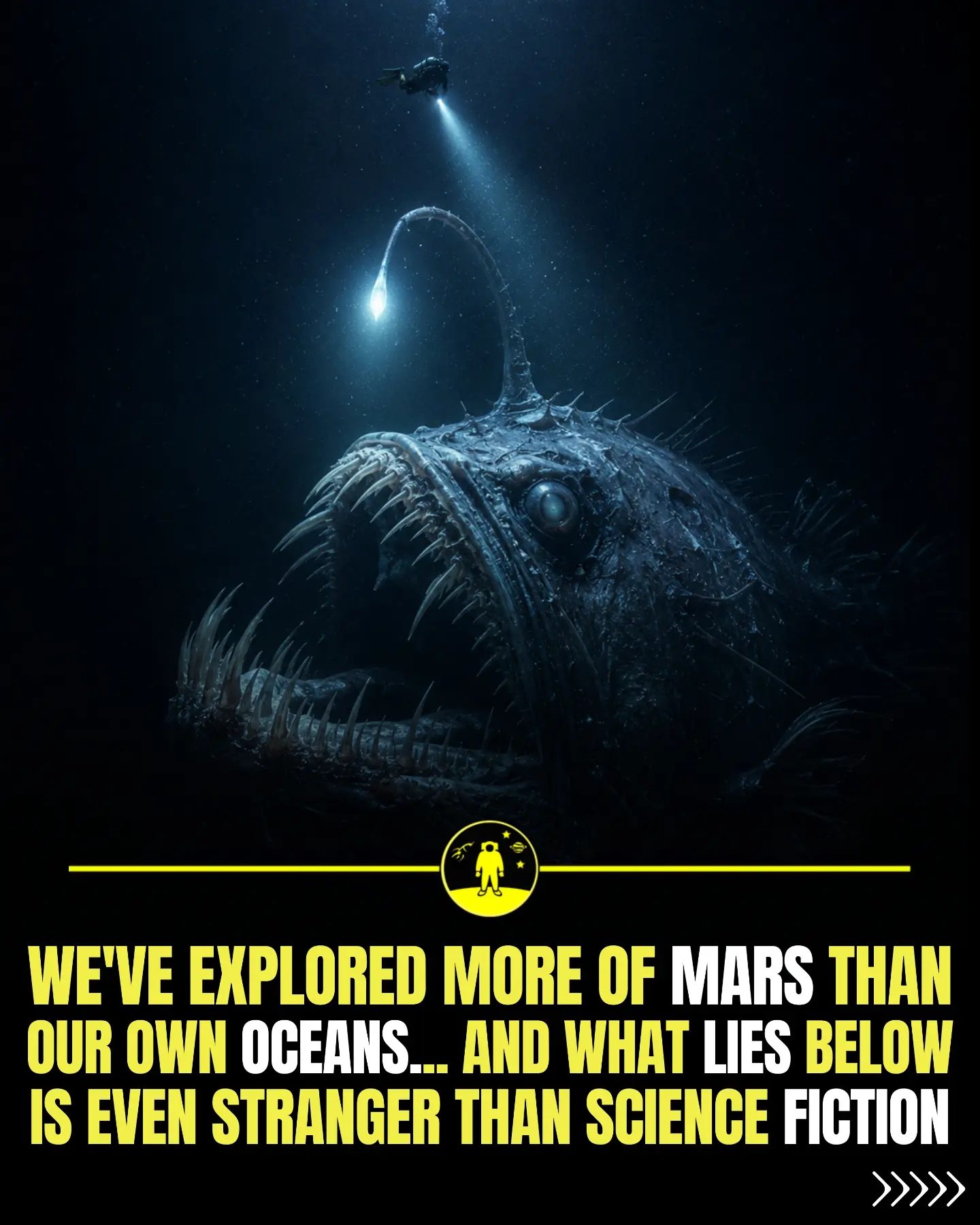
Deep Sea Exploration
The deep ocean, a vast and largely unexplored territory, remains one of Earth's final frontiers. Despite our extensive exploration of distant planets, the moon, and even spacecrafts venturing beyond our solar system, a significant portion of our own ocean remains shrouded in mystery. Currently, more than 80% of the global ocean is yet to be fully mapped, observed, or explored. This gap in our knowledge highlights the immense challenges and opportunities that await deep-sea explorers.
Context: Why This Matters
Understanding the deep ocean is crucial for several reasons. It supports a wide range of ecosystems and plays a significant role in regulating Earth's climate. The deep sea is also a potential source of new medicines, energy resources, and technological innovations. Furthermore, exploring these depths can provide valuable insights into the origins of life on Earth and the potential for life elsewhere in the universe. However, much of the deep ocean remains inaccessible and poorly understood, primarily due to the extreme conditions and technological limitations.
The Mysteries of the Deep
Extraordinary Adaptations
Deep-sea creatures have evolved remarkable adaptations to survive in their harsh environment. One of the most fascinating adaptations is bioluminescence, a feature found in many deep-sea organisms. Bioluminescence is the ability to produce and emit light, which these creatures use for communication, hunting, and avoiding predators. This adaptation is crucial in the deep sea, where sunlight never reaches, and visibility is extremely low.
Bone-Eating Worms and Brine Pools
Scientists have discovered several other extraordinary adaptations in deep-sea creatures. Bone-eating worms, for example, feed on the remains of whales and other marine animals. These worms secrete acids that dissolve the bones, allowing them to consume the nutrients within. Additionally, deep-sea brine pools, often referred to as underwater lakes, contain extremely salty, oxygen-poor water that can be deadly for many marine animals. Nevertheless, some deep-sea organisms have evolved to thrive in these extreme conditions.
The Mariana Trench
The Mariana Trench, located in the western Pacific Ocean, is the deepest known part of the world's oceans. At nearly 36,000 feet or about 11 kilometers below sea level, it presents an immense challenge for exploration. The extreme pressure and near-freezing temperatures in the trench require specialized submersibles and remotely operated vehicles (ROVs) capable of withstanding such conditions. Despite the technological advancements, much of the Mariana Trench remains unexplored, leaving many mysteries yet to be uncovered.
The Deep-Sea Environment
The deep-sea environment is characterized by extreme conditions, including high pressure, low temperatures, and a lack of sunlight. These factors have led to the evolution of unique ecosystems and life forms that are vastly different from those found in shallower waters. The deep sea is home to a variety of creatures, from tiny microorganisms to giant squid, each with its own set of adaptations for survival.
Practical Tips for Deep Sea Exploration
Exploring the deep sea requires a combination of advanced technology, scientific expertise, and careful planning. Here are some practical tips for those interested in deep-sea exploration:
Technology and Equipment
Invest in high-quality, specialized equipment designed for deep-sea exploration. This includes submersibles, ROVs, and advanced imaging systems. Ensure that all equipment is thoroughly tested and capable of withstanding the extreme conditions of the deep sea.
Collaboration
Collaborate with other researchers, institutions, and organizations. Deep-sea exploration is a complex and expensive endeavor, and collaboration can help share the cost and expertise required. Additionally, working with others can provide new perspectives and approaches to exploration.
Planning and Preparation
Thoroughly plan and prepare for each expedition. This includes selecting the right location, gathering the necessary permits and approvals, and ensuring that all equipment and supplies are in place. Additionally, it is essential to have a contingency plan in case of unexpected challenges or emergencies.
Safety and Conservation
Prioritize safety and conservation. Deep-sea exploration can be dangerous, and it is essential to take all necessary precautions to minimize risks. Additionally, it is crucial to follow sustainable practices and minimize the impact on the deep-sea environment. This includes adhering to regulations and guidelines for conservation and protecting sensitive habitats and species.
Data Collection and Analysis
Collect and analyze data effectively. Deep-sea exploration generates a vast amount of data, and it is essential to have the tools and skills to collect, store, and analyze this information. This includes using advanced software and techniques for data management and analysis, as well as collaborating with experts in relevant fields.
Important Takeaways
Deep sea exploration is a fascinating and challenging endeavor that offers numerous opportunities for scientific discovery and technological innovation. By understanding the mysteries of the deep sea, we can gain valuable insights into the origins of life, the potential for life elsewhere in the universe, and the role of the ocean in regulating Earth's climate. However, exploring the deep sea requires a combination of advanced technology, scientific expertise, and careful planning. With the right approach and tools, we can continue to uncover the mysteries of the deep sea and expand our knowledge of this vast and largely unexplored frontier.
Conclusion
The deep sea remains one of Earth's final frontiers, a vast and largely unexplored territory that holds countless mysteries and opportunities for discovery. By understanding the extraordinary adaptations of deep-sea creatures, the unique environments they inhabit, and the challenges of deep-sea exploration, we can continue to push the boundaries of our knowledge and expand our understanding of the world around us. As we explore the depths of the ocean, we are also exploring the depths of our own curiosity and ingenuity, driving us to seek out new frontiers and uncover the secrets of the universe.
Watch the Reel
Questions readers ask
How much of the deep sea has been explored?
Currently, more than 80% of the global ocean remains unmapped and unexplored. This vast, unknown territory presents both challenges and opportunities for deep-sea researchers and explorers.
What makes the deep sea such an exciting area for discovery?
The deep sea is home to unique ecosystems and creatures with extraordinary adaptations, such as bioluminescence and bone-dissolving abilities. Exploring this environment could yield insights into the origins of life and provide potential cures for diseases, as well as technological and resource innovations.
Why is it important to understand the deep ocean?
The deep ocean supports a wide range of ecosystems and plays a significant role in regulating Earth's climate. Understanding this environment is crucial for preserving biodiversity, managing resources, and mitigating the impacts of climate change.
What kinds of resources might be found in the deep sea?
The deep sea could be a potential source of new medicines derived from unique organisms, energy resources like methane hydrates, and minerals used in modern technologies. However, extracting these resources responsibly is a key challenge.
What are some of the challenges in deep-sea exploration?
Deep-sea exploration faces numerous challenges, including extreme pressures, cold temperatures, and the lack of sunlight. Additionally, the remoteness and inaccessibility of the deep sea make research and exploration difficult and costly.
How does deep-sea exploration contribute to technological advancements?
Exploring the deep sea requires innovative technologies, such as remotely operated vehicles (ROVs) and autonomous underwater vehicles (AUVs). Advancements in these technologies can lead to new tools and methods for various industries, including medicine, energy, and environmental monitoring.
What role do deep-sea creatures play in scientific research?
Deep-sea creatures often have unique biological adaptations that can inspire medical and technological innovations. Studying these organisms may provide new insights into biology, leading to potential breakthroughs in medicine, such as new drugs and treatments.
Related deep dives
Similar reads based on topic and creator.




Recent articles
Fresh deep dives from the latest Reels we unpacked.




Comments
Be the first to comment.