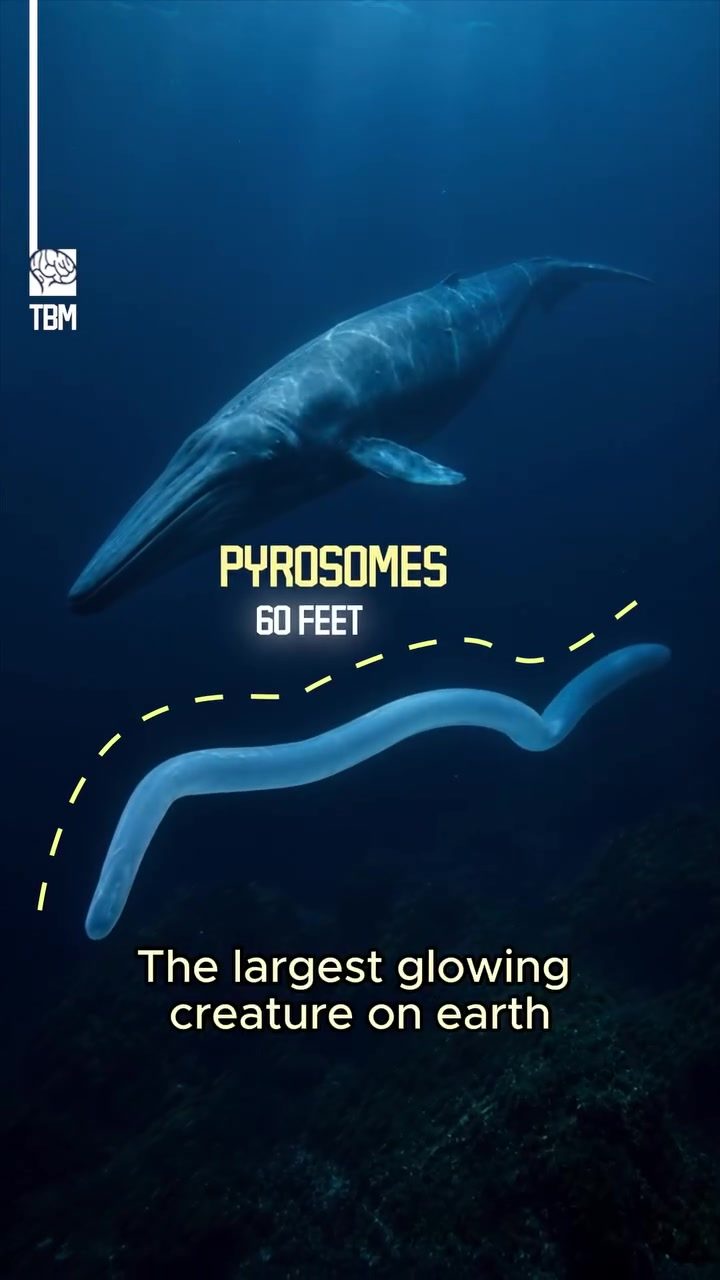
Pyrosomes: The Giant, Glowing Colonies of the Deep Ocean
Pyrosomes are enigmatic marine creatures that captivate with their immense size and bioluminescent displays. These extraordinary organisms are colonies made up of thousands of tiny animals called zooids, which connect to form a single, hollow tube. Drifting through the deep ocean, pyrosomes create a mesmerizing spectacle of blue-green light when disturbed, turning the dark abyss into a living light show.
Why This Matters
Understanding pyrosomes provides insights into the intricate web of marine life and the unique adaptations that thrive in the deep ocean. Their bioluminescent properties and communal structure offer a glimpse into the mysteries of underwater ecosystems and the fascinating ways in which organisms interact and survive in harsh environments.
The Biology and Structure of Pyrosomes
Colonial Organization
Pyrosomes are colonial organisms, meaning they are composed of many individual zooids that function together as a single entity. These zooids are connected in a way that forms a hollow, tube-like structure. This collective behavior allows the colony to move and react as a single organism, drifting gracefully through the ocean depths.
Size and Growth
Some pyrosomes can grow to staggering lengths, exceeding 60 feet. This makes them one of the largest bioluminescent creatures ever recorded. Their size is a testament to the efficiency and effectiveness of their communal structure, allowing them to thrive in environments where individual survival would be challenging.
Bioluminescence
One of the most striking features of pyrosomes is their bioluminescent capability. Each zooid within the colony can produce blue-green light when disturbed. This light creates a wave of bioluminescence that travels across the entire colony, producing a spectacular display. The exact purpose of this light is still a subject of scientific inquiry, but it is believed to help confuse predators or communicate within the colony.
The Role of Bioluminescence
Predator Confusion
The bioluminescent properties of pyrosomes might serve as a defense mechanism. The sudden burst of light can disorient predators, making it difficult for them to target the pyrosome. This strategy is particularly effective in the dark depths of the ocean, where visibility is limited, and predators rely heavily on visual cues.
Intraspecific Communication
Another potential role of bioluminescence in pyrosomes is intraspecific communication. The light produced by the zooids could serve as a means of signaling to other members of the colony, coordinating movement, and ensuring the collective's survival. This form of communication is crucial for maintaining the coherence and functionality of the colony.
Behavioral Adaptations
Drifting Through the Ocean
Pyrosomes are passive drifters, relying on ocean currents to move through the water. This lifestyle is an adaptation to the deep-sea environment, where resources are scarce, and energy conservation is paramount. By floating effortlessly, pyrosomes can conserve energy while searching for food and avoiding predators.
Feeding Habits
Pyrosomes are filter feeders, using their colonial structure to capture plankton and other small particles from the water. This feeding strategy is efficient and allows the colony to sustain itself with minimal effort. The hollow tube structure acts as a filtering mechanism, trapping food particles as water flows through it.
Practical Tips for Observing Pyrosomes
While pyrosomes are rarely encountered, there are a few practical tips for those interested in observing these fascinating creatures:
Deep-Sea Exploration
Pyrosomes are typically found in the deep ocean, making them difficult to observe. For those with access to deep-sea exploration equipment, such as submersibles, observing pyrosomes can provide a unique and unforgettable experience. Deep-sea diving expeditions and research cruises are ideal for spotting these glowing colonies.
Bioluminescent Dives
If you're interested in witnessing bioluminescence, consider participating in a bioluminescent dive. While these dives typically focus on other bioluminescent organisms, such as dinoflagellates, they can sometimes encounter pyrosomes. Experienced dive guides can provide insights into the best times and locations for spotting these elusive creatures.
Research and Conservation
For those passionate about marine biology, contributing to research and conservation efforts can be a rewarding way to learn more about pyrosomes. By supporting organizations that study deep-sea life, you can help uncover more about these remarkable organisms and the environments they inhabit.
Important Takeaways
Pyrosomes are a remarkable example of the intricate and often mysterious world of marine life. Their colonial structure, bioluminescent properties, and deep-sea adaptations make them a subject of fascination and scientific inquiry. Understanding these creatures provides valuable insights into the complex ecosystems of the deep ocean and the unique strategies organisms use to thrive in challenging environments.
Conclusion
Pyrosomes are more than just a spectacle of light; they are a testament to the ingenuity and adaptability of life in the deep ocean. Their communal structure, bioluminescent displays, and passive drifting lifestyle offer a window into the mysteries of marine biology. By studying these fascinating creatures, we can gain a deeper appreciation for the diverse and extraordinary forms of life that inhabit our planet's oceans.
Watch the Reel
Questions readers ask
What are pyrosomes and how do they produce their glowing displays?
Pyrosomes are large, colonial marine organisms found in the deep ocean, composed of thousands of small, individual animals known as zooids. They produce their mesmerizing blue-green bioluminescence through a chemical reaction involving the protein luciferin and the enzyme luciferase, which occurs when the colony is disturbed.
What is the structure of a pyrosome colony?
A pyrosome colony is structured as a single, hollow tube formed by the interlocking of many individual zooids. The colony has a gelatinous exterior and a network of canals that facilitate the movement of water through the organism, aiding in respiration and feeding.
How do pyrosomes move and navigate through the deep ocean?
Pyrosomes are passive drifters, relying on ocean currents to move through the water. They use their cilia, tiny hair-like structures, to propel themselves slightly, and their simple nervous system allows them to respond to stimuli, but they do not have complex navigation abilities.
What role does bioluminescence play in the survival of pyrosomes?
Bioluminescence in pyrosomes serves multiple purposes, including attracting prey, deterring predators, and potentially facilitating communication between colonies. The light display can also act as a decoy to confuse predators or signal potential mates.
How do zooids within a pyrosome colony interact and function together?
Zooids in a pyrosome colony are interconnected and specialized for different functions, such as feeding, reproduction, and defense. They work together to maintain the colony's structure and ensure its survival, with each zooid contributing to the overall health and functionality of the organism.
Are pyrosomes harmful to humans or other marine life?
Pyrosomes are generally not harmful to humans. They pose no threat to marine ecosystems, as they are primarily filter feeders and do not compete with other marine life for resources. However, they can sometimes be a nuisance to fishermen because of their tendency to form large, dense colonies.
Recent articles
Fresh deep dives from the latest Reels we unpacked.




Comments
Be the first to comment.