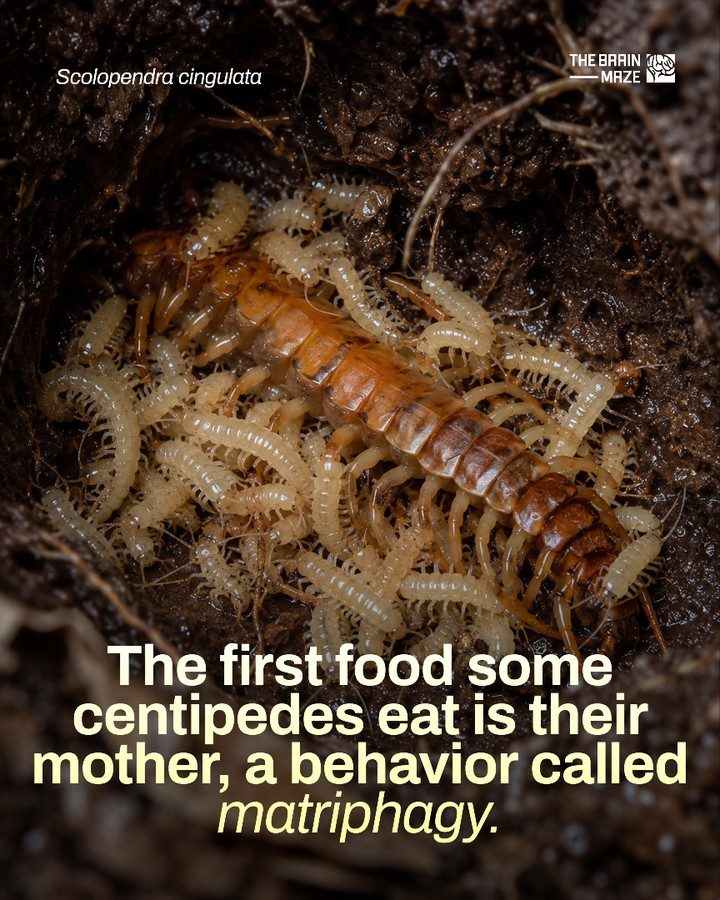
Centipede Behavior: The Fascinating World of Matriphagy in Scolopendra cingulata
Matriphagy, the unusual behavior where some centipedes consume their mothers, is a striking example of the diverse and often surprising strategies found in the natural world. This behavior is particularly notable in the giant centipede species Scolopendra cingulata, making it a subject of significant interest among entomologists and arachnologists. Understanding this behavior offers insights into the intricate dynamics of survival and reproduction in this unique species.
Context: Why This Matters
Centipedes are often overlooked in favor of more charismatic or well-known creatures, but they play crucial roles in their ecosystems. The specific behavior of matriphagy in Scolopendra cingulata highlights the extraordinary lengths that some species go to ensure their offspring have the best chance of survival. This behavior is not common among centipedes, making Scolopendra cingulata a standout example in the world of invertebrates.
The Behavior of Matriphagy
What is Matriphagy?
Matriphagy is a term derived from Greek words meaning "mother" and "eating." It refers to the practice of offspring consuming their mothers. This behavior is relatively rare in the animal kingdom, but it occurs in several species, including certain types of spiders and insects. In Scolopendra cingulata, matriphagy is a critical aspect of the life cycle, ensuring that the newly hatched centipedes have a substantial source of nutrients during their earliest stages of development.
How It Occurs in Scolopendra cingulata
In the giant centipede species Scolopendra cingulata, the process of matriphagy is a well-orchestrated event. The mother centipede provides prolonged care to her offspring before eventually becoming a source of nutrients. This prolonged care includes protecting the eggs and ensuring the offspring have a safe and nurturing environment in which to develop. Once the young are hatched, they begin to consume their mother, providing them with the necessary nutrients to survive and thrive.
Practical Tips for Studying Centipede Behavior
Studying the behavior of centipedes, especially matriphagy, can be challenging due to their elusive nature and the difficulties in observing them in the wild. However, there are several practical tips that can help researchers and enthusiasts delve deeper into the fascinating world of these creatures:
Observation Techniques
Observing centipedes in their natural habitats can be difficult, so it's essential to use a combination of techniques to maximize your chances of success. One effective method is to use infrared or night-vision cameras, as centipedes are often more active during the night. Another approach is to create a controlled environment in a laboratory setting, where conditions can be manipulated to encourage the centipedes to exhibit their natural behaviors.
Conservation and Ethical Considerations
When studying centipedes, it is crucial to consider the ethical and conservation implications of your research. Always obtain the necessary permits and follow ethical guidelines to ensure that your observations do not harm the species or their habitats. Additionally, it is essential to respect the environment and minimize any disturbance to the ecosystems where these creatures live.
Important Takeaways
The behavior of matriphagy in Scolopendra cingulata offers valuable insights into the complex web of survival strategies employed by various species. Understanding this behavior can help us appreciate the delicate balance of nature and the importance of each organism in its ecosystem. The prolonged care provided by the mother centipede and the eventual consumption of the mother by her offspring highlight the intricate dynamics of reproduction and survival in the natural world.
Conclusion
Matriphagy in Scolopendra cingulata is a captivating example of the diverse and often unexpected strategies found in the animal kingdom. This behavior underscores the importance of understanding the complexities of animal behaviors and their roles in the ecosystem. By studying these behaviors, we can gain a deeper appreciation for the natural world and the intricate web of life that sustains it.
Watch the Reel
Questions readers ask
What triggers matriphagy in Scolopendra cingulata centipedes?
Matriphagy in Scolopendra cingulata is triggered by the instinctual need of the newly hatched centipedes to obtain essential nutrients. The mother centipede provides a readily available and nutrient-rich source of food, ensuring the offspring's survival in their initial stages. This behavior is a critical adaptation for these young centipedes, preparing them to forage and hunt on their own.
How does matriphagy benefit the offspring of giant centipedes?
Matriphagy provides the offspring of Scolopendra cingulata with an immediate and substantial meal, rich in proteins and fats, which is crucial for their growth and development. This first meal offers the necessary energy for the young centipedes to survive and thrive in their environment, enhancing their chances of reaching maturity.
Is matriphagy common among all centipede species?
No, matriphagy is not common among all centipede species. It is a unique behavior specifically observed in certain species like Scolopendra cingulata. Other centipede species have different reproductive and survival strategies, making this behavior a notable exception rather than the rule.
What role does the mother centipede play in this process?
The mother centipede plays a crucial role by serving as the first meal for her offspring. This act, while seemingly brutal, is driven by the need to ensure the survival of the young centipedes. The mother's sacrifice provides the necessary nutrients for her offspring to grow strong and independent.
How do entomologists and arachnologists study matriphagy?
Entomologists and arachnologists study matriphagy by observing the behavior of Scolopendra cingulata in controlled environments. They track the interactions between the mother and her offspring, noting the timing and process of the consumption. This research helps in understanding the biological and ecological significance of this behavior.
Are there any potential risks to the offspring if they do not consume their mother?
If the offspring do not consume their mother, they may face significant challenges in obtaining the necessary nutrients for survival. The mother’s body provides a rich source of proteins and fats crucial for the young centipedes' development. Without this meal, the offspring might struggle to thrive and reach maturity.
Does matriphagy occur immediately after the centipedes hatch?
Yes, matriphagy in Scolopendra cingulata typically occurs immediately after the centipedes hatch. The young centipedes are instinctively driven to consume their mother as their first meal, providing them with the essential nutrients needed to survive and develop in their early stages.
Related deep dives
Similar reads based on topic and creator.




Recent articles
Fresh deep dives from the latest Reels we unpacked.




Comments
Be the first to comment.