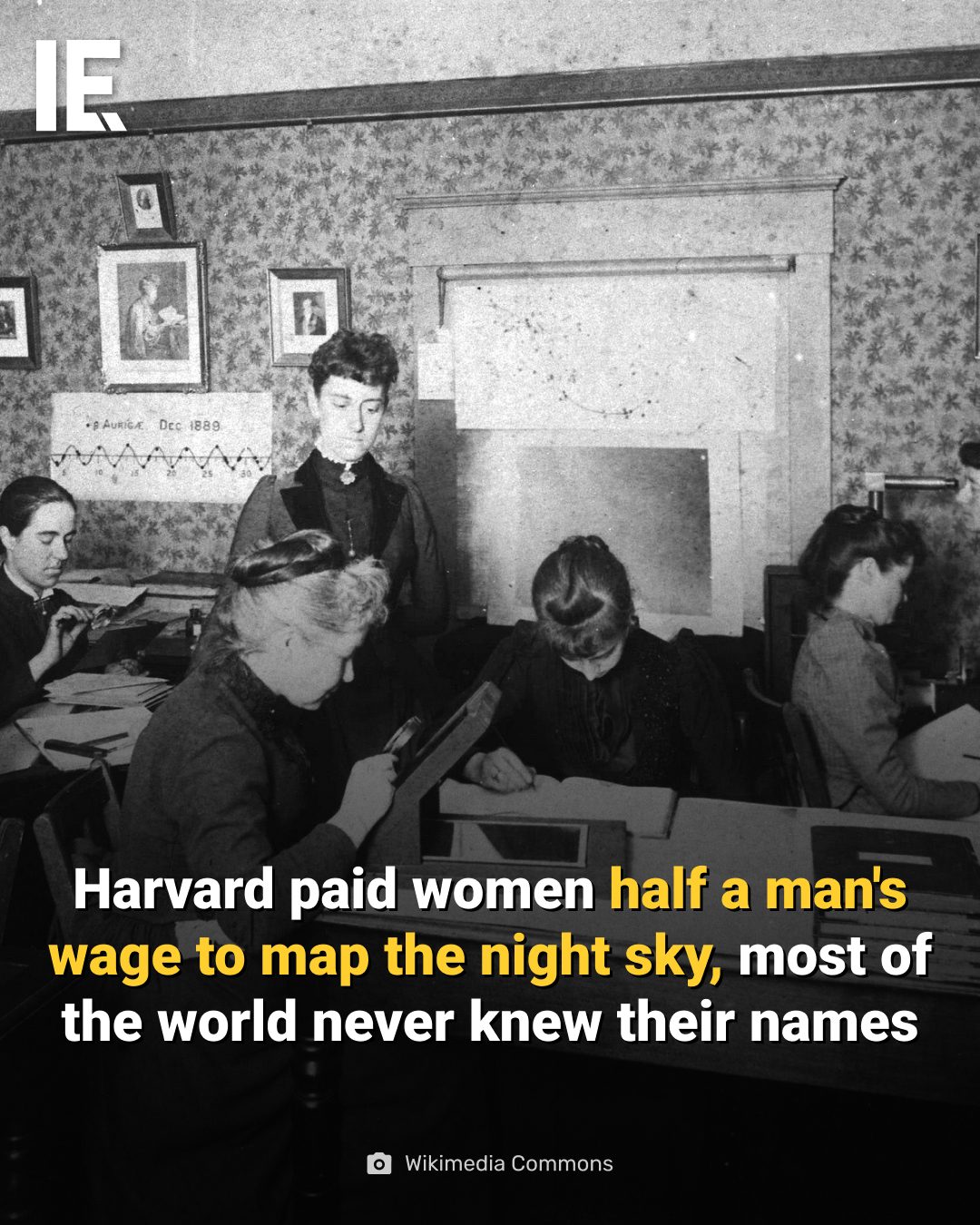
The Hidden Figures of Astronomy: The Harvard Computers
In the late 19th and early 20th centuries, the Harvard Observatory hired a group of women known as "human computers" to analyze astronomical data, classify stars, and map the night sky. Despite their groundbreaking contributions, their work was often overlooked and undervalued. This article delves into the story of these remarkable women, their significant discoveries, and the challenges they faced.
Context / Why This Matters
The story of the Harvard Computers is more than just a historical footnote; it sheds light on the gender disparities in science and the often-unseen contributions of women to astronomy. Understanding their achievements helps us appreciate the complexity of scientific discovery and the importance of acknowledging all contributors, regardless of gender.
Main Discussion
Who Were the Harvard Computers?
The term "human computers" refers to individuals, primarily women, who performed complex calculations and data analysis before the advent of electronic computers. At the Harvard Observatory, these women were tasked with analyzing photographic plates of the night sky, classifying stars, and cataloging astronomical data. Their work laid the foundation for much of modern astronomy.
The Work and Discoveries
Williamina Fleming
One of the most notable achievements came from Williamina Fleming. In 1888, she identified the Horsehead Nebula in Harvard photographic plates. This discovery was a significant contribution to the understanding of nebulae and their role in the cosmos.
Annie Jump Cannon
Annie Jump Cannon developed the stellar classification system that is still used today. Her system, which categorizes stars based on their spectral characteristics, revolutionized the way astronomers understand and classify stars. Cannon's work was instrumental in organizing the vast amount of data collected by the Harvard Observatory.
Henrietta Swan Leavitt
Henrietta Swan Leavitt made a groundbreaking discovery about Cepheid variable stars. She found a relationship between the period of a Cepheid variable star's brightness and its intrinsic luminosity. This relationship, known as Leavitt's Law, became a crucial tool for measuring cosmic distances. Her work later enabled astronomer Edwin Hubble to prove that the universe extends beyond the Milky Way, fundamentally changing our understanding of the cosmos.
The Challenges They Faced
Despite their significant contributions, the Harvard Computers faced numerous challenges. They were paid significantly less than their male counterparts, earning around 25 cents an hour—roughly half the wage of men in similar roles. Additionally, they were largely excluded from using the telescopes themselves, limiting their direct involvement in astronomical observations.
The gender disparity extended beyond wages and access to equipment. The names of these women, who made such pivotal discoveries, were largely unknown outside the scientific community. Their work was often attributed to the male astronomers who supervised them, further erasing their contributions from historical records.
Practical Tips
For those interested in delving deeper into the story of the Harvard Computers, here are some practical tips:
Resources to Explore
- Books and Articles: Look for books and scholarly articles that delve into the history of women in science. "The Glass Universe" by Dava Sobel is a great starting point, offering a detailed account of the Harvard Computers and their contributions.
- Museums and Exhibits: Visit museums and exhibits that highlight the achievements of women in science. Many institutions have dedicated spaces that showcase the work of these pioneering women.
- Online Archives: Explore online archives and databases that provide access to historical documents and photographs. The Harvard Observatory's archive, for example, contains a wealth of information about the work of the Harvard Computers.
- Documentaries and Films: Watch documentaries and films that tell the stories of these remarkable women. "Picture a Scientist" is a documentary that features the stories of women in science, including those at the Harvard Observatory.
Engaging with the Community
- Join Astronomy Clubs: Many local astronomy clubs host events and discussions about the history of astronomy. Joining such a club can provide opportunities to learn more about the contributions of women in the field.
- Attend Conferences and Workshops: Conferences and workshops focused on the history of science and women in STEM can provide valuable insights and networking opportunities.
- Support Organizations: Support organizations that advocate for gender equality in science. These groups often host events and initiatives that celebrate the achievements of women in science.
Important Takeaways
The story of the Harvard Computers is a testament to the resilience and brilliance of women in science. Their contributions to astronomy were monumental, yet they were often overlooked and undervalued. Recognizing their achievements is not only about acknowledging their past contributions but also about inspiring future generations of scientists.
- Acknowledging Contributions: It is crucial to acknowledge the contributions of all scientists, regardless of gender, in the history of science.
- Promoting Equality: Promoting gender equality in science is essential for fostering a diverse and inclusive scientific community.
- Learning from the Past: Understanding the challenges faced by the Harvard Computers can help us address similar issues in contemporary science.
Conclusion
The story of the Harvard Computers is a poignant reminder of the often-unseen contributions of women to the field of astronomy. Their groundbreaking discoveries and perseverance in the face of adversity have left an indelible mark on the history of science. By acknowledging their achievements and learning from their experiences, we can work towards a more equitable and inclusive scientific community.
Watch the Reel
Questions readers ask
Who were the Harvard 'human computers' and what did they do?
The Harvard 'human computers' were a group of women hired by the Harvard Observatory in the late 19th and early 20th centuries. Their primary tasks included analyzing astronomical data, classifying stars, and mapping the night sky, which were crucial for advancing astronomical research.
Why were the contributions of these women often overlooked?
The contributions of the Harvard 'human computers' were often overlooked due to the gender biases of the time. Their work was rarely acknowledged or credited, and they faced significant challenges in gaining recognition for their groundbreaking contributions to astronomy.
What specific discoveries did the Harvard 'human computers' make?
The Harvard 'human computers' made several significant discoveries, including the classification of stars into different spectral types. This work laid the foundation for the modern system of stellar classification and helped astronomers understand the properties and evolution of stars.
How did the work of the Harvard 'human computers' impact modern astronomy?
The meticulous analysis and classification of astronomical data by the Harvard 'human computers' provided the essential framework for modern astronomy. Their efforts helped create comprehensive star catalogs and paved the way for future astronomical research and discoveries, making their contributions invaluable.
Who were some of the notable women among the Harvard 'human computers'?
Some of the notable women among the Harvard 'human computers' include Henrietta Swan Leavitt, who discovered the period-luminosity relationship in Cepheid variable stars, and Annie Jump Cannon, who developed the Harvard Classification Scheme for stars. These women, among others, made substantial contributions to the field despite facing numerous obstacles.
What challenges did the Harvard 'human computers' face in their work?
The Harvard 'human computers' faced numerous challenges, including low pay, lack of recognition, and limited opportunities for advancement. Despite these hurdles, they persevered and made significant strides in the field of astronomy, highlighting the resilience and dedication of these pioneering women.
How has the legacy of the Harvard 'human computers' influenced contemporary discussions about women in science?
The legacy of the Harvard 'human computers' has brought attention to the invisible contributions of women in scientific fields. Their story serves as a reminder of the importance of acknowledging and valuing the work of all individuals, regardless of gender, and continues to inspire discussions about gender equality and inclusion in science.
Related deep dives
Similar reads based on topic and creator.




Recent articles
Fresh deep dives from the latest Reels we unpacked.




Comments
Be the first to comment.